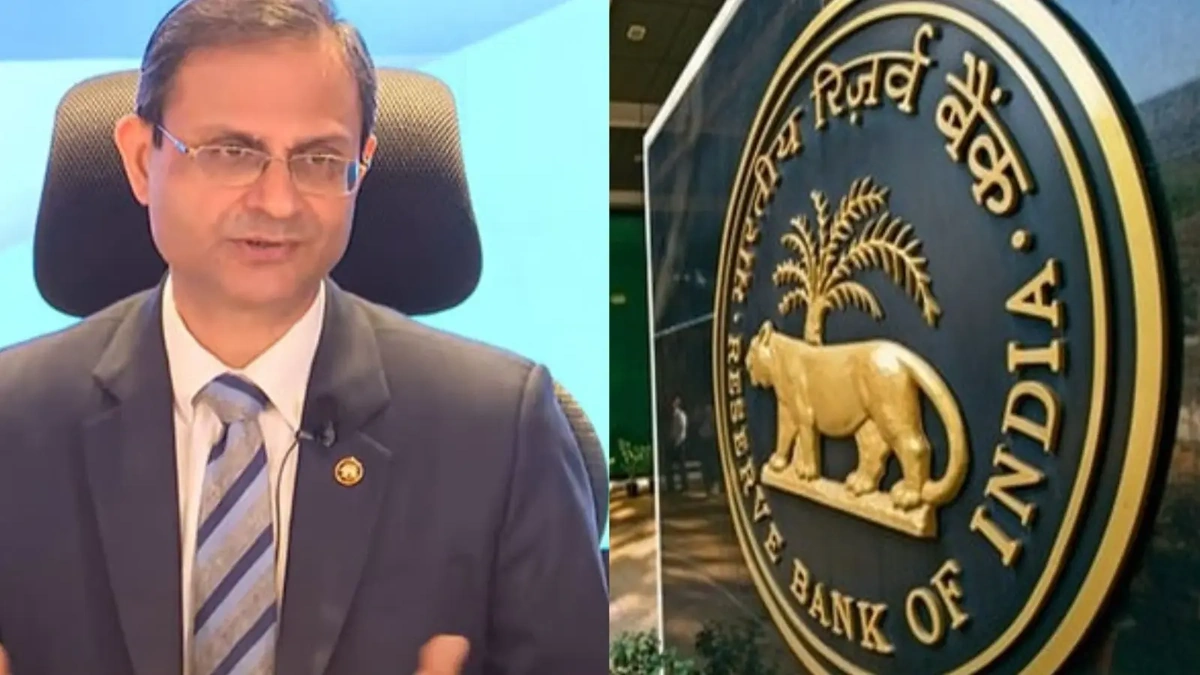
Ever felt like navigating the financial regulations in India is like trying to find your way through a maze in the dark? You’re not alone. The Reserve Bank of India ( RBI ), the big boss of Indian finance, has been listening to the collective sigh of businesses and individuals. They’ve decided to declutter the rulebook, making it easier for everyone to understand and, more importantly, comply. But why now? What’s the real story behind this regulatory spring cleaning? Let’s dive in, shall we?
Why is the RBI Simplifying Rules?
Here’s the thing: overly complex regulations can stifle innovation and growth. Imagine a small business owner spending more time deciphering rules than actually running their business. That’s not good for anyone. The RBI understands this. By streamlining norms, they’re aiming to:
- Reduce the cost of compliance for businesses.
- Promote efficiency in the financial sector.
- Encourage greater participation in the formal economy.
But, RBI ‘s move is not just about making life easier for businesses; it’s also about ensuring financial stability. Complicated rules can sometimes lead to unintended loopholes or misinterpretations, which can pose risks to the financial system. Simpler rules mean less room for error and a more robust financial ecosystem. As per reports the RBI Governor Shaktikanta Das highlighted the importance of a dynamic and responsive regulatory framework. And this move is a step in that direction.
Let me rephrase that for clarity: The goal is to create a system where everyone knows the rules of the game, and no one can exploit loopholes to the detriment of the overall economy. That, my friend, is a win-win for everyone involved.
How Does This Affect You?
Okay, so the RBI is making things simpler. But what does this mean for you, the average person in India? Well, think about it this way: when businesses thrive, they create jobs. When the financial system is stable, your savings are safer. When compliance is easier, more companies are likely to follow the rules, leading to a fairer and more transparent economy.
The increased transparency makes financial products and services more accessible. For example, simpler regulations around digital payments could lead to even more innovation in the fintech space, giving you more convenient and affordable ways to manage your money. One area where you might see an immediate impact is in accessing credit. Easier compliance for banks and NBFCs could translate to quicker loan approvals and better interest rates for borrowers. Want to know more about the current market trends? Here’s a look at India Inc’s sales in the strongest quarter .
The Tech Angle | Embracing Innovation
What fascinates me is how technology plays a crucial role in this regulatory overhaul. The RBI is actively encouraging the use of technology to streamline compliance processes. This includes things like:
- RegTech solutions: These are technological tools that help businesses automate and manage their regulatory compliance.
- SupTech solutions: These are tools that help regulators supervise and monitor the financial system more effectively.
By embracing technology, the RBI hopes to create a more efficient and responsive regulatory framework. It also wants to ensure that innovation in the financial sector isn’t stifled by outdated rules.
A common mistake I see people make is thinking that technology will solve everything. Technology is just a tool; it’s how you use it that matters. The RBI needs to ensure that these technological solutions are accessible to all businesses, regardless of their size or resources. Additionally, as the Indian Financial System evolves, the regulatory framework has to keep pace. One element to keep an eye on is Reliance Industries Limited (RIL) shares and their impact on the market.
Challenges and the Road Ahead
Let’s be honest, streamlining regulations is not a walk in the park. There are challenges. One of the biggest is balancing the need for simplicity with the need to protect consumers and maintain financial stability. The RBI needs to strike a delicate balance between making life easier for businesses and ensuring that the financial system remains safe and sound. Effective communication is key. The RBI needs to communicate these changes clearly and effectively to all stakeholders. This includes businesses, consumers, and other regulatory bodies.
And there will be resistance. Some stakeholders may be resistant to change, particularly if they benefit from the existing complex regulations. Overcoming this resistance will require strong leadership and a clear vision for the future of the Indian financial system.
FAQ on RBI Regulatory Changes
Why is the RBI focusing on compliance now?
The RBI is streamlining regulations to reduce the burden on businesses, promote efficiency, and foster financial stability. It’s about creating a level playing field and encouraging growth.
How will this affect small businesses?
Smaller businesses stand to benefit the most. Easier compliance means less time spent on paperwork and more time on running the business.
What role does technology play in these changes?
Technology is key. The RBI is encouraging the use of RegTech and SupTech solutions to automate and improve regulatory processes.
Are these changes permanent?
The RBI views this as an ongoing process. Regulations will continue to evolve as the financial landscape changes.
Where can I find more information about these changes?
Check the official RBI website ( www.rbi.org.in ) for the latest circulars and notifications.
In conclusion, the RBI ‘s move to streamline regulatory norms is more than just a housekeeping exercise. It’s a strategic step towards creating a more dynamic, efficient, and inclusive financial system in India. And, if executed well, it could unleash a new wave of growth and innovation across the economy. The key, as always, lies in the details and the implementation. But the intent is certainly a step in the right direction. Keep an eye on this space; the story is far from over.