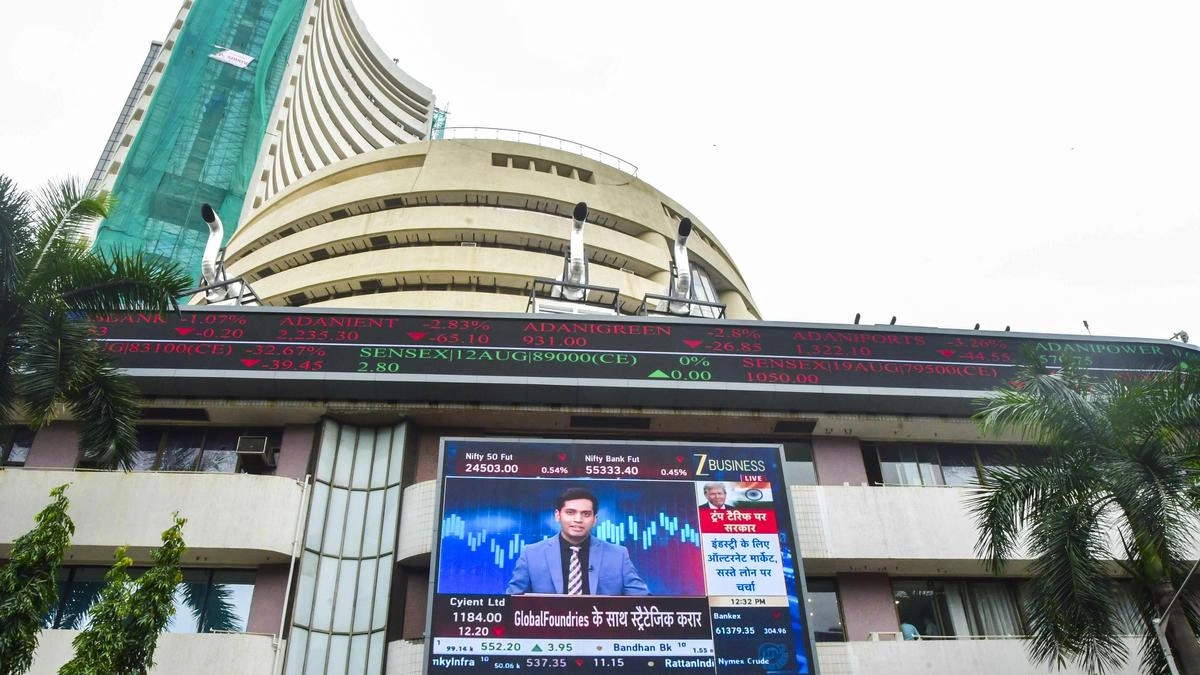
The Sensex , that barometer of the Indian stock market, just blew past 86,000. And Nifty? It’s soaring past 26,300. Big numbers, right? But what does it all mean for you, the average Indian? Let’s be honest, financial news can feel like another language. It sounds important, but often leaves you scratching your head. So, let’s decode this milestone, not just as a headline, but as something that could potentially impact your life, your investments, and even your morning chai discussions.
Why This Surge? More Than Just Good Vibes

Okay, so the market is up. Great! But why? Here’s the thing: it’s not just about foreign investment magically pouring in (though that is a factor; increased foreign institutional investment plays a big role). We need to dig deeper. Think of it like this: the market is a reflection of the economy’s overall health and future prospects. Several factors are contributing to this bullish sentiment. For starters, India’s economic growth has been robust, consistently outperforming many other major economies. Then there’s the expectation of political stability following the elections – markets love certainty.
Corporate earnings are also looking pretty good. Companies are reporting solid profits, which boosts investor confidence. And don’t forget about the global cues! Positive developments in the international markets often have a ripple effect here in India. It’s a complex interplay of factors, all pushing the Indian stock market higher. This market capitalization increase is pretty exciting.
How to Ride the Wave (Without Wiping Out)
Now, before you rush to pour all your savings into stocks, let’s talk strategy. A common mistake I see people make is chasing returns. The market’s hot, everyone’s talking about it, and FOMO kicks in. But remember that old saying: “Don’t put all your eggs in one basket.” It’s especially true in the stock market.
Here’s a simple framework. First, assess your risk tolerance. Are you comfortable with the possibility of losing some money in the short term? Or do you prefer safer, more conservative investments? Then, diversify your portfolio. Don’t just invest in one or two stocks. Spread your investments across different sectors and asset classes. Consider mutual funds or exchange-traded funds (ETFs), which offer instant diversification. Consult a financial advisor – they can help you create a personalized investment plan that aligns with your goals and risk profile. After all, it is important to achieve your financial goals .
The Ripple Effect | How This Impacts Your Wallet
Even if you don’t actively invest in the stock market, the Sensex hitting record highs can still affect you. Think about it – a strong stock market usually translates to a stronger economy. This can lead to job creation, higher wages, and increased consumer spending. Plus, many Indians have indirect exposure to the stock market through their pension funds or insurance policies.
But there’s also a flip side. A rapidly rising market can sometimes lead to inflation, as increased demand pushes up prices. And let’s not forget the risk of a correction. What goes up must eventually come down – a market correction is a natural and healthy part of the investment cycle. So, while it’s great to celebrate the Sensex hitting new heights, it’s also important to stay grounded and prepared for potential volatility. Consider investment options such as direct equity investments .
Navigating Market Volatility | Staying Calm in the Storm
Speaking of volatility, it’s the one constant in the stock market. The market doesn’t just go up in a straight line; there will be bumps along the road. The key is not to panic when the market dips. Don’t make impulsive decisions based on fear or greed. Instead, stick to your investment plan. Remember why you invested in the first place, and focus on the long term.
One strategy I’ve found helpful is to dollar-cost average. This means investing a fixed amount of money at regular intervals, regardless of the market’s performance. This way, you buy more shares when prices are low and fewer shares when prices are high, averaging out your cost over time. Furthermore, keep an eye on your portfolio diversification .
And if you are worried, consider that corporate earnings are still strong.
The Road Ahead | What’s Next for the Sensex?
Predicting the future is impossible. However, based on current trends and expert analysis, the outlook for the Indian stock market remains cautiously optimistic. Factors like continued economic growth, government reforms, and a young, aspirational population could continue to drive the market higher. But remember, there are always risks. Global economic uncertainties, geopolitical tensions, and unexpected policy changes could all throw a wrench in the works.
The key is to stay informed, stay diversified, and stay disciplined. Don’t let emotions dictate your investment decisions. And most importantly, remember that investing is a marathon, not a sprint. There can also be challenges due to global economic conditions . One should also stay up-to-date with the latest market trends .
FAQ
What does it mean when the Sensex crosses a milestone like 86,000?
It indicates strong investor confidence and generally positive economic sentiment, but it doesn’t guarantee continued gains.
Should I immediately invest because the market is at a record high?
Not necessarily. Assess your risk tolerance, diversify, and consider consulting a financial advisor before making any investment decisions.
What if I forgot my Demat Account details?
Contact your broker immediately. They can help you recover your account information.
How can I stay updated on the stock market news?
Follow reputable financial news websites, business channels, and consult financial experts. Be wary of unregulated sources.
Is there a risk of a market crash after such a big rally?
Market corrections are always possible. Be prepared for volatility and don’t panic sell if the market dips.
What role do institutional investors play in market rallies?
Institutional investors like mutual funds and hedge funds contribute to market momentum through their investment activities.
So, the Sensex crossing 86,000 and Nifty exceeding 26,300 is a milestone worth celebrating, but it’s not a signal to throw caution to the wind. It’s a reminder to be smart, strategic, and disciplined with your investments. Think long-term, stay informed, and don’t let the noise distract you from your financial goals. As history of the market has shown us, markets can be very unpredictable. And remember, the real goal isn’t just to make money, but to build a secure and prosperous future for yourself and your family. You can also look into emerging market opportunities .