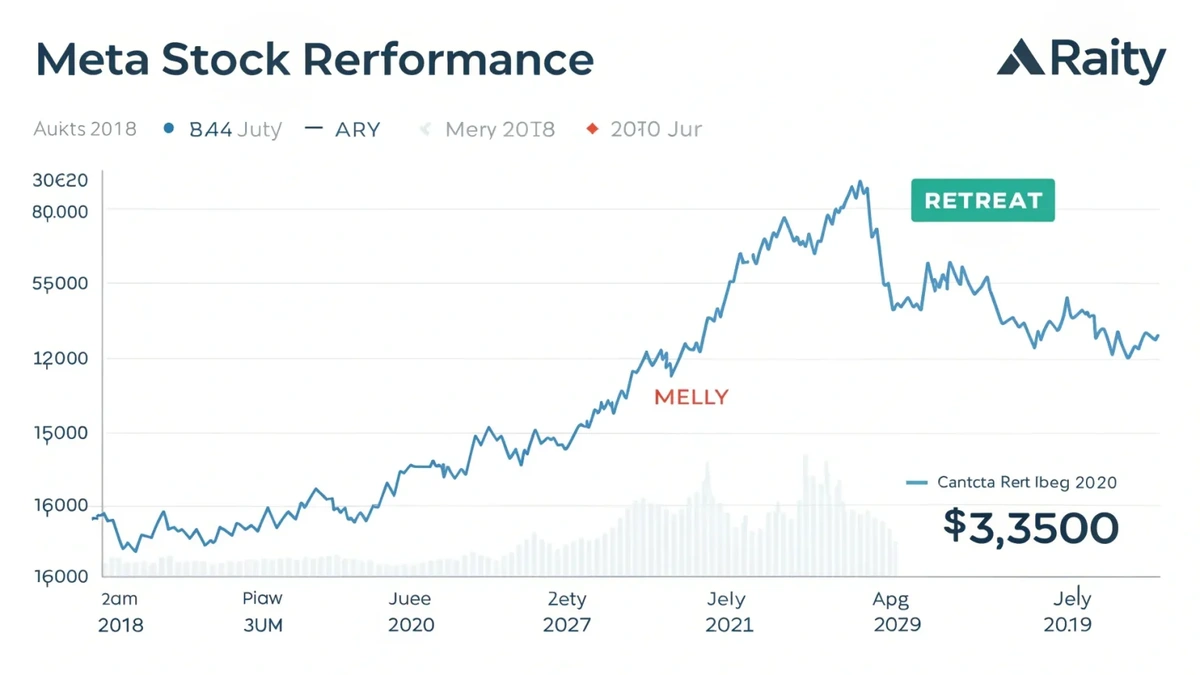
Alright, let’s talk RIL shares . Not just the numbers, but the why behind them. You see, Reliance Industries Limited (RIL) recently hit a 52-week high, and the stock has jumped a whopping 12% in the last six months. Now, I know what you’re thinking: “Okay, great, another stock market blurb.” But hang on a second. This isn’t just about numbers; it’s about understanding the forces at play and what it means for the average investor in India. What fascinates me is the confluence of factors pushing RIL upward – and whether this momentum can last.
The Bullish Tides | Decoding RIL’s Ascent
So, what’s fueling this surge? It’s not one thing, it’s a combination. Firstly, there’s the overall positive sentiment in the Indian market. India’s economy, despite global headwinds, has shown resilience. This investor confidence invariably spills over to blue-chip companies like RIL. But, and this is a big ‘but,’ it’s not just riding the wave. Let me rephrase that for clarity: RIL has been actively reshaping its business portfolio. They’re not just an energy giant anymore; they’re diving headfirst into telecom (Reliance Jio) and retail (Reliance Retail). Their diversification strategy has started paying dividends, attracting investors looking for long-term growth potential. This diversification strategy is key, and we will talk about it more.
Plus, you can’t ignore the global energy scenario. Fluctuations in crude oil prices impact RIL’s traditional energy business. While lower prices might seem detrimental, RIL’s refining capabilities and strategic partnerships often allow them to navigate these changes effectively. And, frankly, let’s not forget the Ambani factor. Love them or hate them, their leadership and vision play a significant role in shaping investor perception. This is about the perception of stability and growth – something crucial in volatile times. We have seen a growth in investor perception recently.
Jio and Retail | The Unsung Heroes of RIL’s Growth
While the energy sector remains important, the real story lies in Jio and Reliance Retail. Jio, with its aggressive pricing and widespread network, has disrupted the telecom landscape. It’s not just about providing cheap data; it’s about building a digital ecosystem. Think about it: from entertainment to education to e-commerce, Jio aims to be the gateway to digital India. And they are playing the field well.
Reliance Retail, on the other hand, is quietly becoming a retail behemoth. They are aggressively expanding their footprint, acquiring smaller players, and offering a wide range of products – from groceries to electronics to fashion. This expanding footprint allows them to target diverse consumer segments and create a formidable presence in the Indian retail market. What’s more, their focus on omnichannel retail (integrating online and offline channels) gives them an edge over traditional brick-and-mortar stores.
But, here’s the thing: both Jio and Reliance Retail require massive investments. And that’s where RIL’s financial strength comes into play. They have deep pockets and a proven track record of raising capital. This allows them to fund their ambitious expansion plans without jeopardizing their existing businesses. Investment plans are a crucial aspect of any company growth.
The Road Ahead | Challenges and Opportunities
Okay, so RIL is on a roll. But what about the future? Are there any potential roadblocks? Of course, there are. The telecom sector is fiercely competitive, with Jio battling Airtel and Vodafone Idea for market share. The retail sector faces challenges from e-commerce giants like Amazon and Flipkart. And the energy sector is always subject to global economic fluctuations. A common mistake I see people make is underestimating the impact of regulatory changes. Government policies and regulations can significantly impact RIL’s businesses, particularly in the telecom and energy sectors.
Moreover, RIL’s sheer size can be a disadvantage. Managing such a large and diversified conglomerate requires strong leadership and efficient decision-making. There’s always the risk of internal conflicts and bureaucratic inefficiencies. But RIL has been addressing these challenges in order to be able to take the opportunities. Global expansion opportunities present a significant growth avenue for RIL. Expanding into new markets and geographies can diversify their revenue streams and reduce their dependence on the Indian market.
However, the opportunities outweigh the challenges. India’s growing economy, rising disposable incomes, and increasing digital penetration create a fertile ground for RIL’s businesses to thrive. Their focus on innovation, technology, and customer-centricity positions them well for long-term success. According to Wikipedia , RIL is one of the most valuable companies in India.
Expert Perspectives and Investor Strategies for RIL Shares
So, what are the experts saying? Most analysts are bullish on RIL, citing its strong fundamentals, growth potential, and diversified business portfolio. However, they also caution investors to be mindful of the risks and uncertainties. The one thing you absolutely must double-check before investing in RIL is your risk tolerance. Risk tolerance is crucial while investing.
Here’s the thing: investing in the stock market always involves risk. There are no guarantees. But if you’re looking for a long-term investment in a company with a proven track record and significant growth potential, RIL might be worth considering. But do your research. Consult with a financial advisor. And, most importantly, invest only what you can afford to lose.
But, what fascinates me is how RIL has managed to adapt and reinvent itself over the years. From textiles to energy to telecom to retail, they’ve consistently evolved to stay ahead of the curve. And that, my friends, is the hallmark of a truly successful company.
FAQ Section
Frequently Asked Questions About RIL Shares
What factors contributed to RIL’s recent 52-week high?
Positive market sentiment, successful diversification into telecom and retail, and strategic management of its energy business all played a role.
Is RIL a good long-term investment?
RIL has strong fundamentals and growth potential, but remember that all stock investments carry risk.
What are the main risks associated with investing in RIL?
Competition in telecom and retail, fluctuating energy prices, and potential regulatory changes.
How has Jio impacted RIL’s overall performance?
Jio has become a major revenue driver and has transformed RIL into a digital services provider.
What is RIL’s strategy in the retail sector?
Aggressive expansion, acquisitions, and a focus on omnichannel retail are key elements of their strategy.
Where can I find reliable information about RIL’s financial performance?
Check the company’s official website, reputable financial news outlets, and consult with financial advisors.