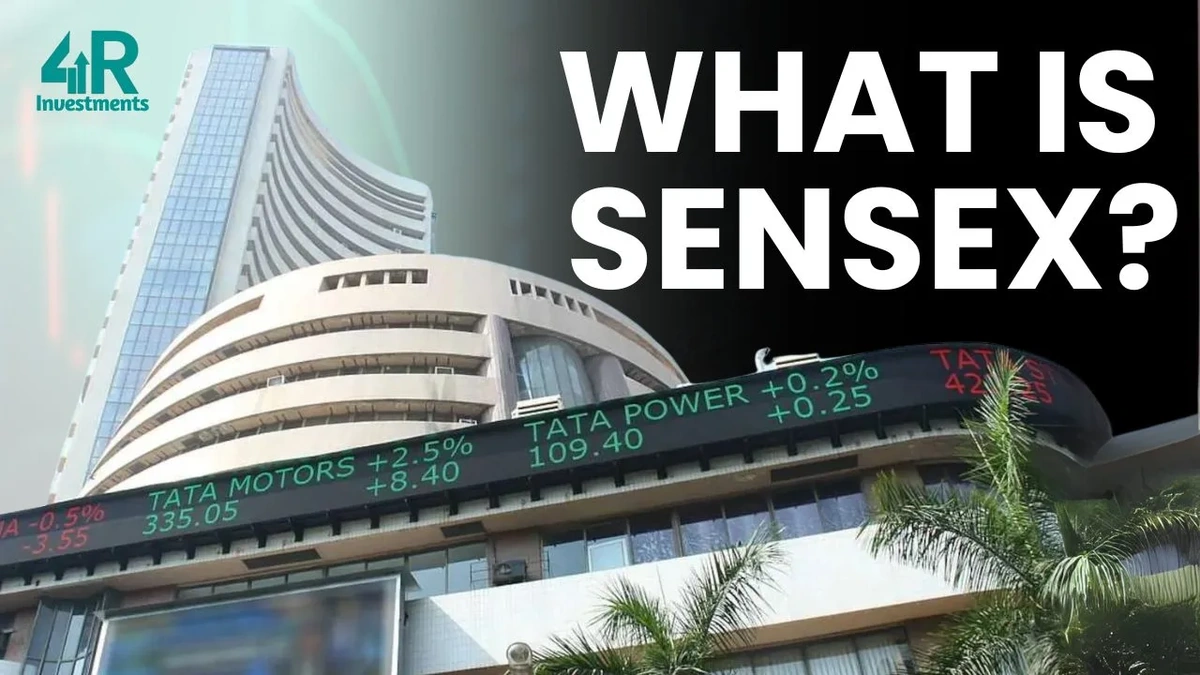
Alright, let’s talk about something that sounds incredibly boring but is actually the lifeblood of understanding where India is headed: GDP . The Indian government is planning a major overhaul of how it calculates its Gross Domestic Product , and they want the input of folks in the industry. Now, you might be thinking, “Why should I care?” Here’s the thing: This isn’t just about numbers; it’s about painting an accurate picture of India’s economic reality, which impacts everything from your job prospects to the price of your chai.
Why This GDP Overhaul Matters – More Than You Think
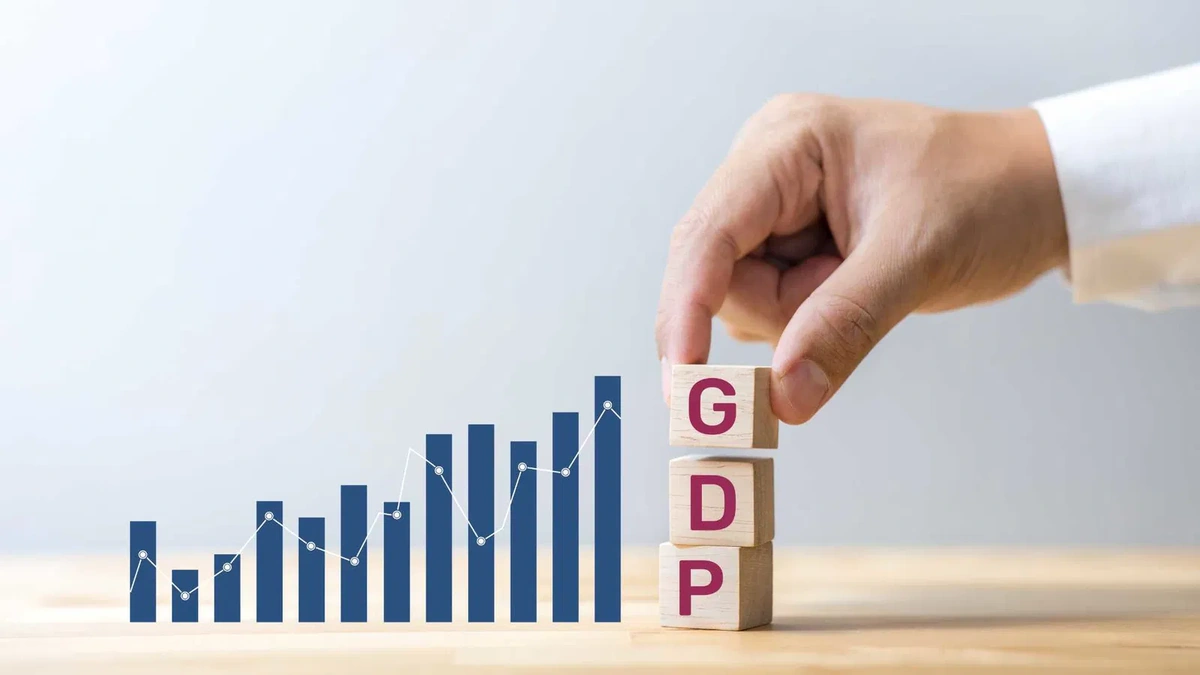
So, why the overhaul? Let’s be honest, the way GDP calculation is done has been under scrutiny for a while. There have been questions about whether it truly reflects the dynamism of the Indian economy, especially the informal sector and the rapid changes brought about by technology. The government wants to ensure the GDP series is robust, reliable, and internationally comparable. Think of it like upgrading from a blurry photograph to a high-definition image – you get a much clearer view of what’s actually happening. For example, after the demonetization, the informal economy suffered a lot. This reform can help get a better view of the effects of this type of actions in the economy.
And why the industry input? Because those in the trenches – the business owners, the economists, the data analysts – have a ground-level understanding of what’s really going on. They see the trends, the challenges, and the opportunities that might be missed by number-crunchers sitting in government offices. It’s about crowdsourcing wisdom to create a more accurate and relevant national income measurement.
The Deep Dive | What’s Likely to Change?
While the specifics are still under wraps, we can speculate (with a healthy dose of informed guesswork) about what areas might see changes. Expect a closer look at the informal sector. This means better ways of capturing the economic activity of small businesses, self-employed individuals, and gig workers – a huge part of the Indian landscape. Also, Expect enhanced data collection methodologies using technology. Think AI-powered data scraping, satellite imagery to track economic activity in remote areas, and maybe even tapping into social media trends to gauge consumer sentiment. The goal is a more real-time and granular view of the economy. Here is some more reading material that you will find insightful.
What fascinates me is the potential for a more nuanced understanding of different sectors. Instead of treating everything as a homogenous blob, the revamped GDP calculation could provide a more detailed breakdown of the contributions of specific industries, like renewable energy, e-commerce, and even Bollywood. The government wants industry input, in part, to decide what new sectors must be taken into consideration.
How This Impacts You – Yes, You!
Okay, so you’re probably still wondering, “What’s in it for me?” Well, a more accurate GDP has a ripple effect that touches almost every aspect of your life. For starters, it informs government policy. Better data means better decisions about where to invest resources, what sectors to support, and how to tackle economic challenges. This can translate into more jobs, better infrastructure, and a more stable economy. Moreover, it influences investment decisions. Investors, both domestic and foreign, rely on economic indicators like India’s GDP growth rate to decide where to put their money. A more reliable GDP figure can attract more investment, leading to further economic growth.
Let me rephrase that for clarity, ultimately impacting the quality of life for everyday Indians. A strong and growing economy creates more opportunities, increases incomes, and improves access to essential services like healthcare and education. It’s all interconnected. So, this is very significant for the Indian economy .
The Challenges Ahead | It’s Not All Sunshine and Roses
Of course, overhauling something as complex as national accounts statistics isn’t a walk in the park. There will be challenges. One major hurdle is data collection, especially in a country as vast and diverse as India. Ensuring accuracy and consistency across different regions and sectors will be a massive undertaking. Another challenge is dealing with the informal sector. Capturing the economic activity of millions of small businesses and self-employed individuals requires innovative approaches and a willingness to embrace new technologies.
But here’s the biggest challenge, in my opinion: Maintaining public trust. If the new GDP figures are perceived as being manipulated or politically motivated, they will lose credibility. The government needs to be transparent about the methodology and ensure that the process is independent and unbiased. It’s best to keep checking the official portal. Speaking of economy, read this .
Navigating Economic Indicators in India
Understanding India’s economic trajectory requires navigating a sea of indicators. Key among these is the fiscal deficit, representing the government’s borrowing needs to cover its expenses. A lower fiscal deficit generally signals fiscal prudence, but excessive cuts can hinder essential investments in infrastructure and social programs. Complementing this, the Consumer Price Index (CPI) measures inflation, reflecting the cost of a basket of goods and services for households. Managing inflation is crucial for maintaining purchasing power and economic stability. These factors all play into India’s economic growth .
But don’t solely rely on numbers. For example, a rise in the stock market isn’t always indicative of the common man’s financial condition.
Frequently Asked Questions (FAQ)
FAQ
What exactly is GDP, in simple terms?
GDP (Gross Domestic Product) is the total value of all goods and services produced within a country’s borders in a specific time period.
Why is the government asking for industry input?
To get a ground-level perspective on economic realities that might be missed by traditional data collection methods.
How will this GDP overhaul affect the average person?
A more accurate GDP leads to better policy decisions, which can result in more jobs, better infrastructure, and a more stable economy.
What are some of the challenges in overhauling the GDP calculation?
Data collection, accurately capturing the informal sector, and maintaining public trust in the process.
Where can I find the official GDP figures?
Check the website of the National Statistical Office (NSO), Ministry of Statistics and Programme Implementation.
So, the next time you hear about India GDP growth rate or the government’s plans for the economy, remember that it’s not just about dry numbers. It’s about understanding the story of India, its challenges, and its potential. And it affects you more than you realize.