The Indian Rupee’s recent tumble to an all-time low against the US dollar – even with the Reserve Bank of India (RBI) stepping in – has probably got you scratching your head. I know I was. It’s easy to see the headlines and think, “Oh no, what now?” But let’s be honest, the real story here is less about panic and more about understanding why this is happening and what it actually means for you, sitting in India. What fascinates me is not just the drop but the resilience of the rupee despite global headwinds. Let’s dive in.
Why Is the Rupee Falling? Understanding the Dynamics
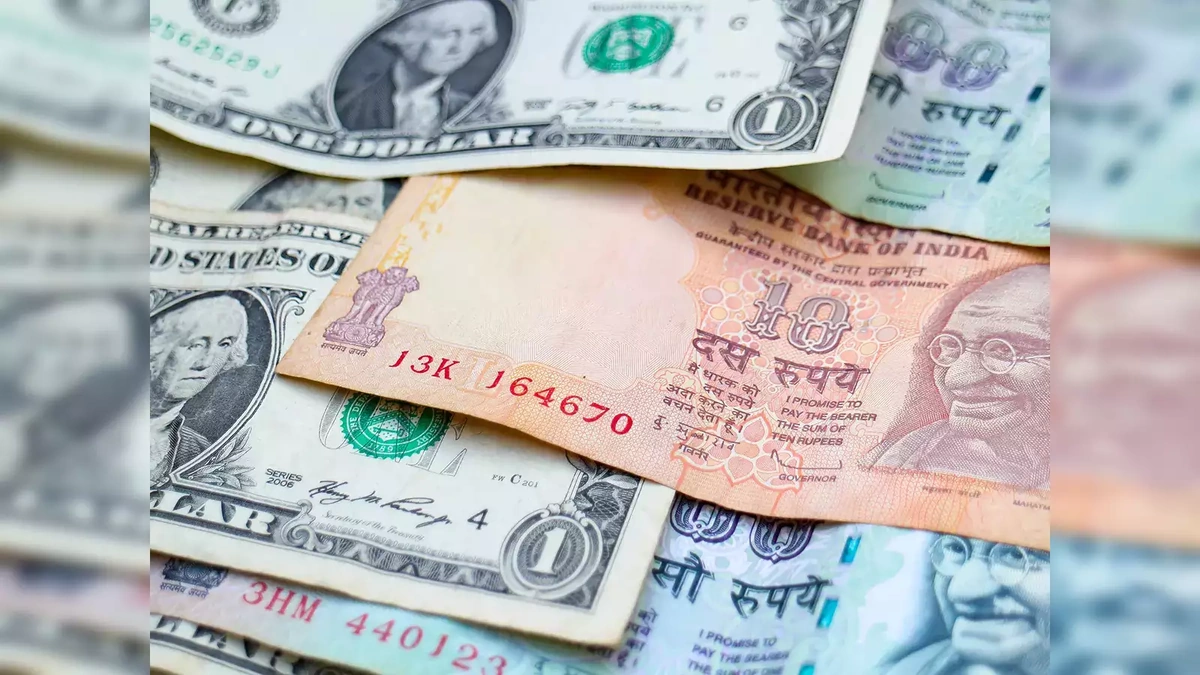
Okay, let’s break this down. The rupee’s value isn’t determined in a vacuum. Several global factors are in play, acting like invisible hands pushing and pulling. The strength of the US dollar is a major one. When the US economy looks strong, investors flock to the dollar, which increases its demand and value. Think of it like everyone suddenly wanting the same limited-edition phone – its price goes up. And what makes the US dollar so appealing right now? Rising interest rates in the US. The Federal Reserve (the US central bank) has been aggressively raising interest rates to combat inflation. This makes dollar-denominated assets more attractive, drawing capital away from emerging markets like India. But, there’s more!
Geopolitical tensions, like the ongoing situation in Ukraine, also create uncertainty and push investors towards safe-haven assets like the dollar. Higher crude oil prices – a significant import for India – put pressure on the rupee, as India needs more rupees to buy the same amount of oil. India’s trade deficit widens as imports become more expensive, further weakening the rupee. The RBI intervention aims to stabilize the rupee by selling dollars from its reserves. This increases the supply of dollars in the market, theoretically reducing its price and supporting the rupee. But, it’s a balancing act, as depleting reserves can have its own consequences. So, what does this mean for you?
The Ripple Effect | How a Weak Rupee Impacts You Directly
This isn’t just an abstract economic concept; it hits your wallet directly. Imported goods, from electronics to edible oils, become more expensive. This contributes to inflation, meaning your everyday expenses go up. Think about that new phone you’ve been eyeing, or the cost of your daily commute – it all gets affected. For students planning to study abroad, the cost of education becomes significantly higher. Even a seemingly small dip in the rupee value can translate to a substantial increase in tuition fees and living expenses. On the flip side, a weaker rupee can benefit exporters, making Indian goods more competitive in the global market. This can boost certain sectors and create jobs. Tourism can also get a boost, as India becomes a more affordable destination for foreign tourists. I initially thought this was straightforward, but then I realized the impact goes far beyond just import and export prices.
And here’s the thing: India’s economic growth is closely tied to the rupee’s stability. A sharply depreciating rupee can spook investors and lead to capital outflows, hindering economic growth. The strength of the economyis not just about numbers, but about sentiments. What I’ve seen is that a sense of economic stability boosts investment. But instability can cause panic and hinder growth. According to data from the World Bank, fluctuations in currency exchange rates can significantly impact a country’s GDP growth. This World Bank Reportoffers additional insights.
RBI’s Balancing Act | Intervention Strategies and Their Limitations
The RBI isn’t sitting idle. They’re actively intervening in the foreign exchange market to try and cushion the rupee’s fall. The RBI uses its foreign exchange reserves to sell dollars and buy rupees, thereby increasing the demand for rupees and pushing its value up. Think of it as the RBI acting like a market maker, trying to stabilize the price. But here’s the catch: the RBI’s reserves aren’t unlimited. Constant intervention can deplete these reserves, which can have its own negative consequences. The RBI also uses other tools, such as adjusting interest rates, to influence the rupee’s value. Raising interest rates can attract foreign investment, increasing the demand for rupees. What fascinates me is how these interventions aren’t always successful.
The effectiveness of RBI interventions depends on various factors, including the magnitude of global pressures and investor sentiment. Sometimes, even strong interventions can only provide temporary relief. According to the RBI’s official website, the central bank closely monitors the forex market and takes necessary measures to maintain stability. It is a tough balancing act, trying to stabilize the currency without depleting reserves. This is particularly important in today’s global environment, where external shocks can quickly impact the Indian economy.
Long-Term Strategies | Strengthening the Rupee’s Foundation
Okay, so what’s the long-term game plan? Relying solely on intervention isn’t sustainable. The real solution lies in strengthening the fundamentals of the Indian economy. Boosting exports, attracting foreign investment, and reducing dependence on imports are crucial steps. The government’s initiatives to promote manufacturing through the “Make in India” campaign are aimed at achieving this. Improving infrastructure, streamlining regulations, and fostering innovation can also attract more foreign investment and boost economic growth. Sustainable economic practicesmust be implemented. According to a report by NITI Aayog, India needs to focus on long-term structural reforms to achieve sustainable economic growth and currency stability.
Let me rephrase that for clarity: It’s not just about quick fixes; it’s about building a robust economic foundation that can withstand global shocks. A common mistake I see people make is focusing on short-term gains while neglecting long-term sustainability. Building a stronger economy is like building a house: you need a solid foundation to withstand storms. A stable and strong Indian Rupee is essential for long-term economic prosperity. What fascinates me is the intricate interplay between domestic policies and global economic forces.
Navigating the Uncertainty | Practical Tips for Individuals
So, what can you do as an individual to navigate this uncertainty? While you can’t control the global economy, you can take steps to protect your finances. Diversifying your investments is one strategy. Don’t put all your eggs in one basket. Consider investing in different asset classes, including those denominated in foreign currencies. If you’re planning to study abroad, start saving early and consider hedging your currency risk. This means locking in an exchange rate in advance to protect yourself from fluctuations. Keep a close eye on your expenses and prioritize essential spending. Look for ways to reduce your reliance on imported goods by supporting local businesses and products. And remember, stay informed. Understanding the economic forces at play can help you make better financial decisions.
A common mistake I see people make is panicking and making rash decisions based on short-term market movements. The one thing you absolutely must double-check is the credibility of the information you’re relying on. There’s a lot of noise out there, so stick to reliable sources. Remember, staying calm and informed is the best way to weather any economic storm. And that’s the key takeaway: A stable Rupee is a shared responsibility and its health is intertwined with the global economy.
FAQ
Frequently Asked Questions About the Rupee’s Fall
Why is the Rupee falling against the dollar?
Several factors, including a strong US dollar, rising US interest rates, geopolitical tensions, and high crude oil prices, are contributing to the Rupee’s fall.
How does the falling Rupee affect me?
It can lead to higher prices for imported goods, increased inflation, and more expensive education abroad. However, it can also benefit exporters and boost tourism.
What is the RBI doing to stabilize the Rupee?
The RBI is intervening in the foreign exchange market by selling dollars and buying Rupees. It also adjusts interest rates to influence the Rupee’s value.
What can I do to protect myself from the falling Rupee?
Diversify your investments, save early if you’re planning to study abroad, and prioritize essential spending.
Is the Rupee expected to recover?
The future of the Rupee depends on various factors, including global economic conditions and India’s economic performance. No one can predict the future with certainty.
What are some long-term solutions to strengthen the Rupee?
Boosting exports, attracting foreign investment, reducing dependence on imports, and implementing structural economic reforms are crucial for long-term stability.