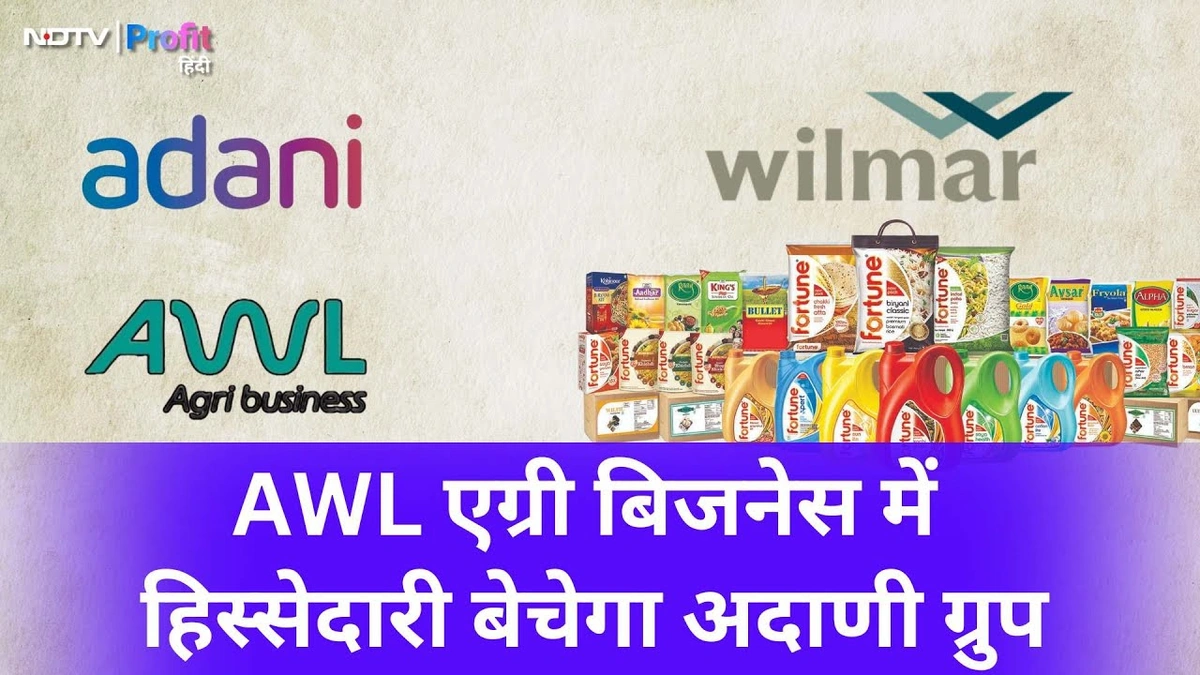
The buzz around the Adani Wilmar stake sale is undeniable. After Adani Enterprises’ exit, you might be thinking, “What’s the deal?” Is it a fire sale? A strategic shuffle? Or a calculated move for future growth? Let’s be honest, deciphering the moves of big conglomerates feels like reading a particularly dense thriller. But here’s the thing: this isn’t just about stocks and shares. It’s about the future of India’s agricultural business, and that affects all of us.
Decoding the “Why” | Beyond the Headlines
So, why the buzz, and more importantly, why should you care? Let’s rewind a bit. Adani Wilmar (AWL), a joint venture between the Adani Group and Wilmar International, has become a major player in the Indian FMCG landscape, particularly in edible oils and packaged foods. The initial entry of Adani Enterprises into AWL was part of a broader strategy, but things change, strategies evolve. A key reason being cited for the stake sale is to comply with regulatory requirements and reduce promoter holding, bringing it in line with public shareholding norms. This is especially relevant considering SEBI’s (Securities and Exchange Board of India) guidelines on minimum public shareholding. Compliance is crucial for maintaining market confidence and avoiding penalties.
But, here’s the kicker: The high interest in the stake sale indicates robust investor confidence in AWL’s underlying business. Think about it – seasoned investors aren’t usually swayed by short-term news. They look at long-term potential, market positioning, and growth prospects. The fact that institutional investors and other strategic players are vying for a piece of AWL speaks volumes about its perceived value in the Indian market. This isn’t just about one company; it mirrors the broader investor sentiment towards India’s agri-business sector.
Furthermore, let’s acknowledge the political and economic implications. Adani Group’s moves are always under scrutiny, and this stake sale is no exception. Does it signal a strategic pivot? Is it aimed at streamlining operations and focusing on core sectors? The answers to these questions are critical because they shed light on the group’s future trajectory and investment priorities in India. Understanding these undercurrents is crucial for anyone involved in the Indian economy, from small business owners to seasoned market watchers.
The Ripple Effect | Implications for the Indian Agri-Business
Now, let’s zoom out and consider the broader impact. The AWL Agri business operates in a sector vital to India’s economy and food security. Edible oils, packaged foods, and staples are essential commodities, and AWL’s presence impacts everything from farmer incomes to consumer prices. A successful stake sale, backed by strong investor interest, could lead to increased investments in the agri-business sector, benefiting the entire value chain.
Think of it this way: More investment means better infrastructure, improved supply chain efficiencies, and enhanced product innovation. This, in turn, could translate to higher incomes for farmers, more affordable prices for consumers, and greater stability in the food supply chain. But, and this is a big but, it also depends on how the new investors choose to operate. Will they prioritize sustainable practices? Will they focus on empowering local communities? These are critical questions that will determine the long-term impact of the stake sale.
Let me rephrase that for clarity – the nature of the new investments will be key. Will they foster innovation and sustainability, or simply focus on maximizing profits? The answer to this question will significantly shape the future of India’s agri-business landscape. Navigating this landscape requires a keen understanding of market dynamics, regulatory frameworks, and the evolving needs of Indian consumers.
How to Navigate the Changing Landscape | A Practical Guide
So, how do you, as an informed citizen or a budding entrepreneur, navigate this changing landscape? Here’s a practical guide, drawing from my experience in analyzing market trends:
- Stay informed: Follow industry news, read financial reports, and attend webinars to stay abreast of the latest developments. Knowledge is power, especially in a dynamic market like India.
- Understand the regulations: Familiarize yourself with SEBI guidelines, food safety regulations, and other relevant policies. Compliance is not just a legal requirement; it’s a competitive advantage.
- Network: Connect with industry experts, attend trade shows, and join online communities. Building relationships can provide valuable insights and opportunities.
- Identify opportunities: Look for gaps in the market, emerging trends, and unmet needs. Innovation is the key to success in the agri-business sector.
But, don’t just take my word for it. Do your own research, consult with experts, and make informed decisions based on your specific circumstances. Remember, the agri-business sector is complex and multifaceted, and there’s no one-size-fits-all solution. A common mistake I see people make is relying solely on news headlines without digging deeper into the underlying facts.
Expert Insights | What the Analysts Are Saying
What fascinates me is the divergence of opinions among market analysts. Some view the Adani Wilmar stake sale as a purely strategic move, aimed at unlocking value and streamlining operations. Others see it as a reflection of broader market concerns and regulatory pressures. According to a report by a leading financial institution , “The stake sale provides an opportunity for investors to gain exposure to a high-growth FMCG company with strong brand recognition and a wide distribution network.” However, another analyst at a competing firm suggests that, “While AWL has strong fundamentals, investors should carefully assess the potential impact of regulatory changes and evolving consumer preferences.”
The truth, as always, likely lies somewhere in between. The AWL stake sale presents both opportunities and challenges, and the ultimate outcome will depend on a variety of factors, including market conditions, regulatory developments, and management decisions. It’s like reading tea leaves – the patterns are there, but the interpretation is subjective. That’s why it’s crucial to consider multiple perspectives and form your own informed opinion.
Here’s the thing – no one has a crystal ball. But by staying informed, analyzing the data, and understanding the underlying dynamics, you can make more informed decisions and navigate the market with greater confidence. And that, my friend, is the key to success in the Indian agri-business sector.
Did you read about Nvidia’s AI Collaboration ? The current sale might give them even more avenues.
Looking Ahead | The Future of AWL and Indian Agri-Business
Ultimately, the Adani Wilmar stake sale is more than just a financial transaction. It’s a reflection of the evolving dynamics of the Indian agri-business sector and a bellwether for future investment trends. As India’s economy continues to grow and its population becomes increasingly urbanized, the demand for processed foods and packaged goods is expected to rise, creating further opportunities for companies like AWL. According to data from the Ministry of Agriculture & Farmers Welfare, the Indian food processing industry is projected to reach $535 billion by 2025.
The challenges, however, remain. Climate change, water scarcity, and regulatory hurdles pose significant threats to the agri-business sector. Companies that can adapt to these challenges and embrace sustainable practices will be best positioned for long-term success. Thinking about sustainability, have you taken a look at Ford’s investment in Chennai ? Their new plant focuses on renewable energy, something AWL should consider if they don’t already.
FAQ
Frequently Asked Questions
What exactly is a stake sale?
A stake sale refers to the selling of a portion of ownership (shares) in a company to investors. In this case, Adani Enterprises is selling part of its stake in Adani Wilmar.
Why is Adani Enterprises selling its stake in AWL?
Reasons vary, but compliance with regulatory requirements (like minimum public shareholding) and strategic business decisions are common drivers.
Who is likely to buy the stake?
Potential buyers include institutional investors, other strategic players in the FMCG sector, and private equity firms.
How will this affect consumers?
The immediate impact may be minimal, but long-term, it could lead to changes in product offerings, pricing strategies, and overall market dynamics depending on who acquires the stake and their strategies.
Where can I find reliable information about the AWL stake sale?
Refer to credible financial news sources, company announcements, and reports from reputable market analysts. Always cross-verify information before making any decisions.
What are the potential risks associated with this sale?
Risks include changes in company strategy, potential market volatility, and regulatory uncertainties. It’s essential to stay informed and monitor the developments closely.
So, there you have it – a deeper dive into the Adani Wilmar stake sale and its implications for the Indian agri-business sector. Remember, it’s not just about the headlines; it’s about understanding the underlying dynamics and making informed decisions. And that, my friends, is the key to navigating the ever-changing landscape of the Indian economy. And if you like this analysis, wait until you hear about what’s happening over at Wikipedia these days, it’s a whole new world!