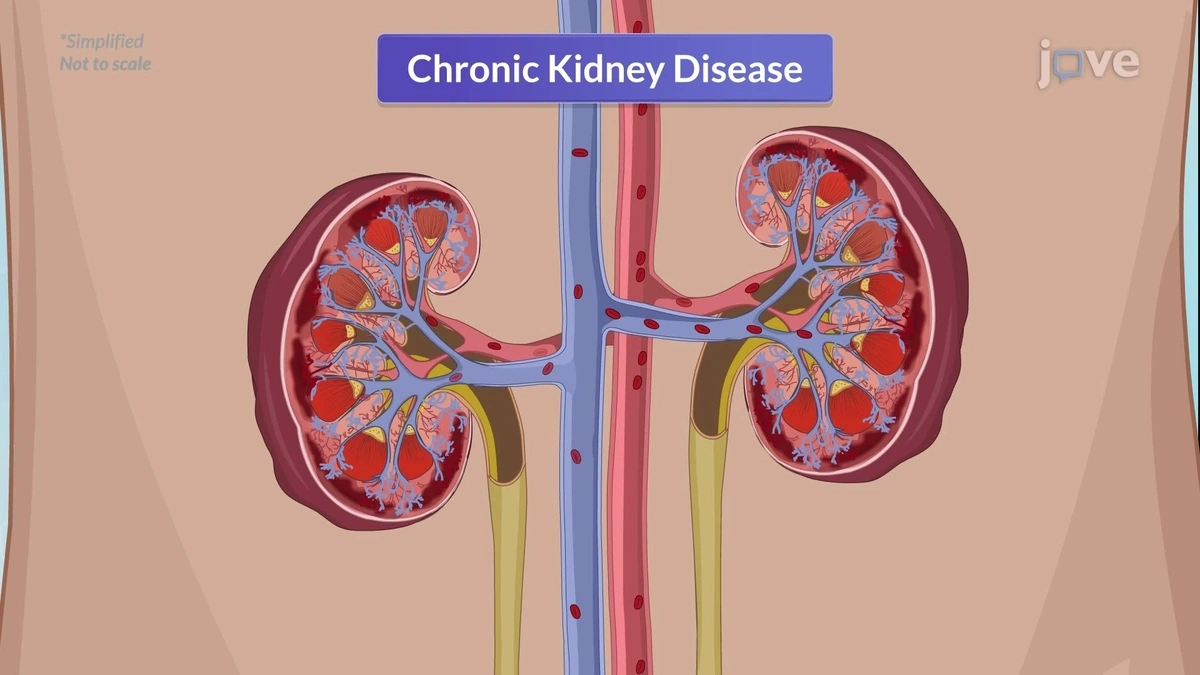
Kidney disease. It’s a phrase that can send shivers down anyone’s spine. But here’s the thing: understanding it better can be empowering. Let’s be honest, most of us don’t think about our kidneys until something goes wrong. They are vital organs, silently working to filter waste and excess fluids from our blood. So, what happens when these hard workers start to falter? That’s where kidney disease comes into the picture. But why should you, sitting there in India, reading this, care about it? Because it’s more prevalent than you might think, and early detection can make all the difference. You might even say that early chronic kidney disease detection saves lives.
Why is Kidney Disease a Growing Concern in India?
India faces a unique set of challenges that contribute to the rise of kidney disease. Let’s be blunt, it’s not just one thing; it’s a combination of factors. What fascinates me is how intertwined these factors are. For instance, the increasing prevalence of diabetes and hypertension , both major risk factors for kidney disease, is a huge part of the story. According to the World Health Organization ( WHO ), India has a significant portion of the global diabetic population. And, high blood pressure often goes undiagnosed and untreated, silently damaging the kidneys over time. Another key factor is lifestyle. As urbanization increases, so does the consumption of processed foods, high in salt and unhealthy fats. This contributes to obesity, diabetes, and hypertension – the trifecta of risk for kidney disease.
But it goes deeper than that. Access to quality healthcare is not uniform across the country. In rural areas, diagnostic facilities might be limited, leading to delayed diagnosis and treatment. Additionally, certain traditional medicines, while seemingly harmless, can sometimes contain ingredients that are toxic to the kidneys. What I initially thought was a straightforward health issue turned out to be a complex web of social, economic, and lifestyle factors. This is why understanding the ‘why’ behind the numbers is so crucial.
How Can You Protect Your Kidneys? Practical Steps for Prevention
Okay, enough doom and gloom. Let’s talk about what you can actually do to protect your kidneys. Prevention is always better than cure, right? Here’s the thing: small changes in your daily routine can make a big difference. A common mistake I see people make is ignoring the early warning signs. Fatigue, swelling in your ankles, changes in urination – these might seem minor, but they can be indicators of a kidney problem. First and foremost, manage your blood sugar and blood pressure. If you have diabetes or hypertension, work closely with your doctor to keep them under control. Regular check-ups are crucial. Here’s why: early detection of kidney damage allows for timely intervention, slowing down the progression of the disease. Next, adopt a kidney-friendly diet. Reduce your intake of salt, processed foods, and red meat. Increase your consumption of fruits, vegetables, and whole grains. Stay hydrated. Drinking plenty of water helps your kidneys flush out toxins. Aim for at least 8 glasses of water a day, more if you are physically active. And, be mindful of the medications you take. Certain pain relievers and antibiotics can be harmful to your kidneys, especially if taken in high doses or for extended periods. Always consult your doctor or pharmacist before taking any new medication. Regular exercise is also important. Aim for at least 30 minutes of moderate-intensity exercise most days of the week. This helps control blood pressure and blood sugar, reducing the risk of kidney disease. A common mistake I see is people starting intensive exercise programs without proper guidance. You can also find some yoga techniques to strengthen your kidneys. You can check this useful link: National Center for Biotechnology Information (NCBI) .
Let me rephrase that for clarity: don’t wait until you have symptoms to start taking care of your kidneys. Prevention is a lifelong commitment, not a one-time fix. And remember, small changes can add up to big results.
Navigating Diagnosis and Treatment Options in India
So, what happens if you suspect you might have renal disease ? What are the next steps? The first thing you should do is consult a nephrologist – a doctor specializing in kidney diseases. They will conduct a thorough evaluation, which may include blood tests, urine tests, and imaging studies. These tests help determine the extent of kidney damage and identify the underlying cause. According to the Indian Journal of Nephrology, awareness campaigns are crucial in promoting early detection. The key blood tests that detect kidney failure are the glomerular filtration rate (GFR) and serum creatinine. Treatment options for kidney disease vary depending on the severity of the condition. In the early stages, lifestyle modifications and medications can help slow down the progression of the disease. If kidney function deteriorates significantly, dialysis or a kidney transplant may be necessary. Dialysis is a process that filters waste and excess fluids from the blood when the kidneys are no longer able to do so. There are two main types of dialysis: hemodialysis and peritoneal dialysis. A kidney transplant involves replacing a diseased kidney with a healthy kidney from a donor. It’s important to have the right information about treatment options. You can also check this useful link: Kidney Disease Death Leading Cause.
The availability of these treatments varies across India. In major cities, you’ll find well-equipped dialysis centers and transplant facilities. However, in rural areas, access to these services may be limited. The government is working to improve access to kidney care across the country through various initiatives and programs. The one thing you absolutely must double-check is the credentials of the healthcare provider. Ensure that they are qualified and experienced in treating kidney disease.
The Emotional Toll of Kidney Disease: Finding Support and Staying Positive
Let’s be honest: dealing with end-stage renal disease takes a mental toll. It’s not just about the physical symptoms; it’s also about the emotional and psychological impact. The constant medical appointments, the dietary restrictions, the financial burden – it can all be overwhelming. That moment of panic when you think about long-term prognosis. It’s completely normal to feel anxious, depressed, or frustrated. But here’s the thing: you’re not alone. Many people in India are going through the same experience. Finding support is crucial for coping with the emotional challenges of kidney disease. Talk to your family and friends. Share your feelings and concerns. Their support can make a big difference. Join a support group. Connecting with others who have kidney disease can provide a sense of community and understanding. You can learn from their experiences and share your own. Seek professional help. A therapist or counselor can help you develop coping strategies and manage your emotions.
Remember, maintaining a positive attitude can improve your quality of life. Focus on what you can control. Follow your treatment plan, eat a healthy diet, and stay active. Celebrate small victories. Acknowledge your progress and reward yourself for your efforts. Practice self-care. Take time for activities that you enjoy and that help you relax. Whether it’s reading, listening to music, or spending time in nature, make self-care a priority. That being said, be patient with yourself. There will be good days and bad days. Don’t beat yourself up when you have a setback. Just get back on track as soon as you can.
Beyond the Physical: The Social and Economic Impact
Kidney disease isn’t just a medical problem; it’s also a social and economic one. The cost of treatment, especially dialysis and transplantation, can be substantial. Many families in India struggle to afford the necessary care, pushing them into debt. The impact on productivity is also significant. People with kidney disease may be unable to work or may need to reduce their work hours, leading to a loss of income. This can have a ripple effect on their families and communities. Furthermore, the stigma associated with chronic diseases can lead to social isolation and discrimination. People with kidney disease may face difficulties in finding employment, accessing social services, and participating in community activities. What fascinates me is the interconnectedness of these issues. Addressing the social and economic impact of kidney disease requires a multi-pronged approach. Government initiatives to provide financial assistance and improve access to healthcare are crucial. Raising awareness about kidney disease and reducing stigma are also essential. Employers can play a role by providing flexible work arrangements and supportive work environments for people with kidney disease. You can even find some NGOs to assist you with the costs. You can also check this useful link: The National Kidney Foundation .
But it starts with understanding and empathy. By recognizing the challenges faced by people with kidney disease, we can create a more inclusive and supportive society.
FAQ Section
Frequently Asked Questions
What are the early symptoms of kidney disease?
Early symptoms can be subtle, including fatigue, swelling in ankles, changes in urination, and loss of appetite.
How can I prevent kidney disease?
Manage blood sugar and blood pressure, adopt a kidney-friendly diet, stay hydrated, and avoid harmful medications.
What if I forgot my application number?
Contact the exam conducting authority, NTA, immediately. Provide them with as many details as possible, such as your name, date of birth, and registered email ID/phone number. They should be able to assist you in retrieving your application number.
What are the treatment options for kidney disease?
Treatment options include lifestyle modifications, medications, dialysis, and kidney transplant, depending on the severity of the condition.
Is kidney disease curable?
While chronic kidney disease isn’t always curable, early detection and treatment can slow its progression. A kidney transplant can offer a long-term solution for kidney failure.
How can I find support for kidney disease in India?
Join support groups, talk to your family and friends, and seek professional help from therapists or counselors.
So, here’s the final insight: taking care of your kidneys is an investment in your overall health and well-being. It’s not about living in fear of kidney disease; it’s about empowering yourself with knowledge and taking proactive steps to protect these vital organs. And remember, you’re not alone on this journey. There’s a wealth of resources and support available to help you live a healthy and fulfilling life, even with kidney disease.