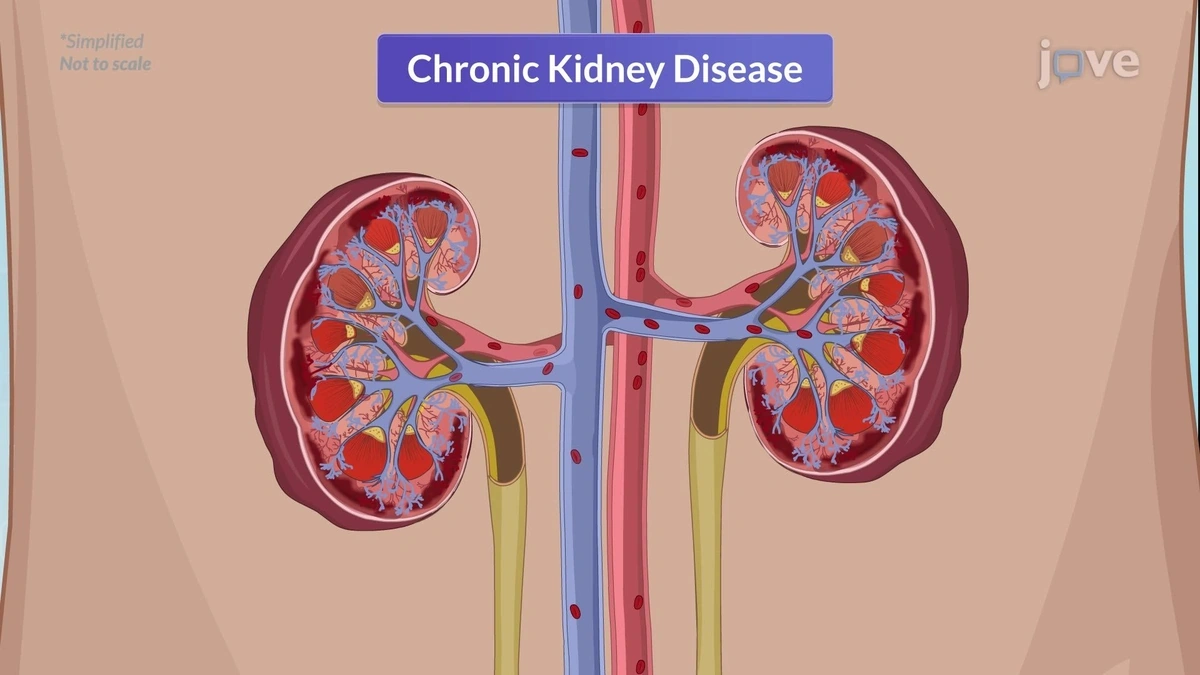
Chronic Kidney Disease ( CKD ) – it’s a phrase you might have heard whispered in doctor’s offices or seen online. But what does it really mean? Let’s be honest, medical jargon can feel like another language. This isn’t just some abstract health issue; it directly impacts millions of lives, including many right here in India. What fascinates me is how often it goes unnoticed until it’s quite advanced. So, let’s break it down, step-by-step, in a way that actually makes sense, and, more importantly, empowers you to take control of your health.
Why CKD Matters: The Silent Threat
Here’s the thing: your kidneys are workhorses. They filter waste and excess fluids from your blood, which are then excreted in urine. They also help regulate blood pressure, maintain bone health, and produce red blood cells. But, when kidney function declines over time, those waste products build up. This is Chronic Kidney Disease, and it’s a progressive condition. I initially thought it was straightforward, but then I realized the insidious nature – it often develops slowly, with few noticeable symptoms in the early stages.
But why is this a concern specifically for us in India? Several factors contribute. For starters, we have a high prevalence of diabetes and hypertension , both leading causes of CKD. Secondly, access to quality healthcare, especially in rural areas, can be limited, leading to delayed diagnosis and treatment. And let’s not forget traditional medicine practices; while some are beneficial, others can be harmful to the kidneys if not used properly. According to the latest reports from the Indian Council of Medical Research (ICMR), the incidence of CKD is steadily increasing, making it a significant public health challenge. The National Institute of Diabetes and Digestive and Kidney Diseases (NIDDK) provides further insights on the global prevalence of CKD.
How to Spot the Early Warning Signs (and What to Do)
Okay, so how do you know if you’re at risk? A common mistake I see people make is assuming that kidney problems always present with obvious symptoms. Early symptoms can be subtle and easily dismissed. We are talking about fatigue, changes in urination (more or less frequent), swelling in your feet and ankles, persistent itching, and muscle cramps. The global impact of CKD cannot be overemphasized in terms of the number of people affected.
So, what do you do if you notice these signs? Don’t panic! But DO take it seriously. The one thing you absolutely must do is consult a doctor. A simple blood test (to measure glomerular filtration rate (GFR) ) and a urine test can help determine how well your kidneys are functioning. Early detection is key because treatment can slow the progression of the disease and prevent complications.
Here’s why this matters. Knowing your risk factors empowers you to take proactive steps. If you have diabetes or high blood pressure, work closely with your doctor to manage these conditions. Maintain a healthy weight, eat a balanced diet, and exercise regularly. And avoid over-the-counter pain medications like NSAIDs, which can damage your kidneys if taken frequently. Let me rephrase that for clarity: Be mindful of your medication intake.
Lifestyle Changes That Can Make a Big Difference
Beyond medical treatment, lifestyle changes are crucial in managing CKD. What fascinates me is how much control we actually have over our kidney health. Think of it this way: you’re not just a passive recipient of a diagnosis; you’re an active participant in your own well-being. Dietary modifications are probably the biggest factor.
So, what should you be eating? Focus on a diet that is low in sodium, phosphorus, and potassium. This often means reducing your intake of processed foods, red meat, and dairy products. Increasing your intake of fruits, vegetables, and whole grains can provide essential nutrients and fiber. A registered dietitian can help you create a personalized meal plan that meets your specific needs. And, of course, stay hydrated! Drinking enough water helps your kidneys flush out waste products. But, be sure to talk to your doctor about how much fluid is right for you, as too much can also be harmful.
It’s a balancing act, I know.
The Emotional Toll and Finding Support
Let’s be honest, dealing with a chronic illness like CKD can take a toll on your mental and emotional well-being. The constant worry about your health, the limitations on your diet and lifestyle, and the financial burden of treatment can all lead to stress, anxiety, and depression. It is essential to acknowledge these feelings and seek support. Talk to your family and friends, join a support group, or consider seeing a therapist. Remember, you’re not alone in this journey. There are many people who understand what you’re going through and can offer guidance and encouragement.
And, speaking of support, don’t underestimate the power of online communities. There are numerous forums and social media groups where people with CKD share their experiences, tips, and resources. Hearing from others who have successfully managed their condition can be incredibly inspiring and empowering.
But, here’s the catch: Be cautious about the information you find online. Not everything you read is accurate or reliable. Always verify information with your doctor or other healthcare professionals. As per the guidelines mentioned in the information bulletin from reputed hospitals such as AIIMS, it is better to consult certified medical practitioners rather than relying on internet information.
Future Hope: Advances in CKD Treatment
While CKD can be a challenging condition, there is reason for optimism. Medical science is constantly advancing, and new treatments and therapies are being developed all the time. From improved dialysis techniques to potential new medications, there is hope for a better future for people with CKD. Moreover, researches on kidney transplant are being extensively carried out.
What fascinates me is the potential of regenerative medicine to repair damaged kidneys. While this is still in its early stages, it offers the tantalizing possibility of restoring kidney function and even curing CKD. Additionally, there’s growing interest in personalized medicine, tailoring treatment to each individual’s unique genetic makeup and disease profile. These advances hold the promise of more effective and targeted therapies with fewer side effects.
But, even with these advancements, prevention remains key. By taking proactive steps to manage your risk factors, adopt a healthy lifestyle, and seek early diagnosis and treatment, you can significantly reduce your chances of developing CKD and live a long and fulfilling life. Remember, your health is your most valuable asset, so take care of it!
FAQ
What if I forgot my application number during diagnosis?
If you forgot your application number, contact the diagnostic center or hospital where you underwent the tests. They should be able to retrieve it for you.
How often should I get my kidney function tested?
The frequency of kidney function testing depends on your risk factors and overall health. Talk to your doctor about what’s right for you. For most people with Chronic Kidney Diseases, frequent monitoring and testing is important.
What are the common risk factors for chronic kidney disease?
Common risk factors include diabetes, high blood pressure, family history of kidney disease, older age, and obesity. These are the major Chronic Kidney Disease risk factors.
Can chronic kidney disease be reversed?
In most cases, Chronic Kidney Disease cannot be reversed. However, treatment can slow the progression of the disease and prevent complications.
Are there any alternative therapies for chronic kidney disease?
Some people explore alternative therapies, but it’s essential to discuss these with your doctor to ensure they are safe and won’t interfere with your medical treatment. Alternative Therapies can also be explored after consultation with doctors.
What is end-stage renal disease ?
End-stage renal disease (ESRD) is the final stage of Chronic Kidney Disease, when the kidneys can no longer function on their own. Dialysis or kidney transplant is necessary for survival.