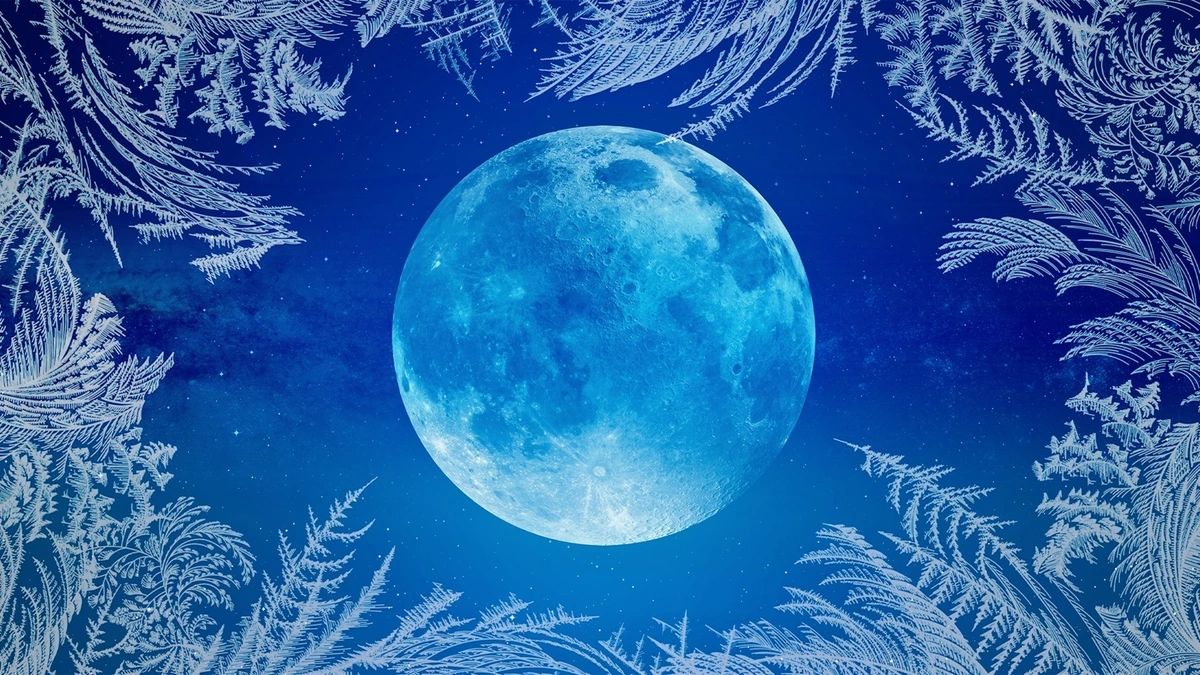
Okay, folks, let’s talk about the Beaver Supermoon. You’ve probably seen the pictures – a massive, glowing orb hanging in the night sky. But here’s the thing: it’s not just a pretty picture for your Instagram feed. It’s a celestial event steeped in history and holding a few secrets of its own. What fascinates me is how something seemingly simple can connect us to centuries of tradition and offer a moment of shared wonder.
Why Should You Even Care About a Supermoon?
Let’s be honest – in today’s world, with a million things vying for our attention, why should you spare a thought for a slightly bigger, brighter moon? Well, for starters, it’s a reminder that there’s a whole universe out there beyond our daily grind. The supermoon phenomenon isn’t just about aesthetics; it’s about understanding the mechanics of our solar system. You see, the Moon’s orbit around Earth isn’t perfectly circular – it’s elliptical. This means that sometimes the Moon is closer to us (perigee) and sometimes it’s farther away (apogee). A supermoon occurs when a full moon coincides with the Moon being at or near its closest point to Earth. It appears larger and brighter because, well, it is closer. The effect on tides, if any, is nominal. Consider looking at the visual spectacle that it creates, lighting up the night sky!
The ‘Beaver’ Part: A Nod to History
So, why “Beaver” Supermoon? No, it’s not because the moon suddenly sprouts buck teeth and starts building dams. The names for full moons come from a combination of Native American, Colonial American, and European traditions, often tied to agricultural cycles and seasonal activities. The Old Farmer’s Almanac explains that the November full moon was named the Beaver Moon because it coincided with the time of year when beavers were actively building their dams in preparation for winter. Trappers also set beaver traps at this time. It’s a tangible link to our past, reminding us of a time when people were much more closely connected to the rhythms of nature.
How to Spot the Beaver Supermoon (Even if You’re Not a Stargazer)
Don’t worry; you don’t need a telescope or a fancy astronomy app to enjoy the November supermoon. Here’s the thing: just step outside and look up! Find a spot away from bright city lights if possible. Give your eyes a few minutes to adjust to the darkness. The supermoon’s visibility is remarkably good in areas with low light pollution. The best time to view it is usually right after moonrise or just before moonset when it’s closest to the horizon – atmospheric effects can make it appear even larger and more colorful.
The Emotional Impact: A Moment of Awe and Connection
What fascinates me about celestial events like the Beaver Supermoon is their ability to evoke a sense of awe and wonder. In a world that often feels chaotic and disconnected, these moments provide a shared experience. Whether you’re in a bustling city or a remote village, you’re looking at the same moon. It’s a connection to something larger than ourselves, a reminder of the vastness of the universe and our place within it. I initially thought it was straightforward, but then I realized the impact is emotional. When thinking about the moon’s position in relation to the earth, that is when I realized it’s something beautiful.
FAQ About the Beaver Supermoon
Frequently Asked Questions
What time will the Beaver Supermoon be visible?
The best time to view the Beaver Supermoon is usually right after moonrise or just before moonset. Check a local astronomy website or app for specific times in your area.
Will the Beaver Supermoon affect tides?
Supermoons can cause slightly higher tides than usual, but the difference is generally not significant enough to cause any major issues.
Do I need special equipment to see the Beaver Supermoon?
No, the Beaver Supermoon is visible to the naked eye. However, binoculars or a small telescope can enhance the viewing experience.
What if I miss the Beaver Supermoon?
Don’t worry! Supermoons occur several times a year. Keep an eye on astronomy calendars for future dates.
Is there a spiritual significance to the Beaver Moon?
Some cultures attribute spiritual significance to full moons, including the Beaver Moon. These beliefs vary widely, so it’s best to research specific cultural traditions if you’re interested.
The Beaver Supermoon is more than just a bright light in the sky. It’s a connection to history, a lesson in astronomy, and an opportunity for a moment of shared wonder. So, step outside, look up, and let yourself be amazed. Plus, it’s a great excuse to disconnect from your screens for a little while. Just remember to be respectful of the natural world and enjoy the view. More information can be found on Wikipedia .