So, OpenAI, the folks behind the incredibly popular ChatGPT, just inked a massive deal with Amazon Web Services (AWS) . We’re talking a cool $38 billion, making it one of the biggest cloud computing contracts ever. But, let’s be honest, it’s more than just a number. It’s about the future of AI and where it’s all headed. What fascinates me is how much this signifies the concentration of power in cloud computing. Buckle up, because we’re diving deep into why this deal matters and what it means for everyone, especially here in India.
Why This AWS OpenAI Deal Is a Game Changer
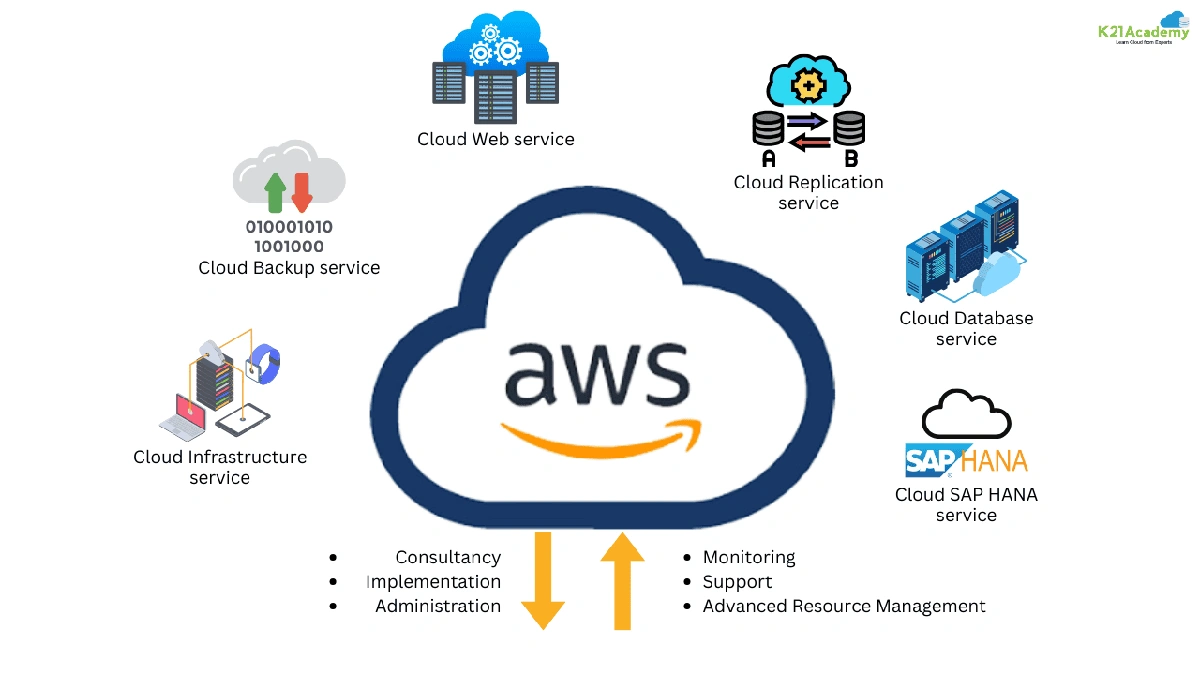
Let’s be real – cloud computing isn’t exactly the most thrilling topic. But this AWS OpenAI deal? It’s huge. It’s not just about servers and storage; it’s about giving OpenAI the infrastructure they desperately need to power their increasingly sophisticated AI models. Think of it as building a massive data center specifically designed to handle the insane demands of artificial intelligence . AWS isn’t just providing space; they’re providing cutting-edge tech that allows OpenAI to push the boundaries of what’s possible. Think larger models, faster training, and more seamless integration into our daily lives.
And, frankly, for us in India, this has serious implications. We’re seeing a massive surge in AI adoption across various sectors from agriculture and healthcare to finance and education. A deal like this accelerates the pace of AI development globally, and it’s crucial that India remains competitive.
The ‘How’ | How AWS Will Power OpenAI’s AI Future
Okay, so how is AWS actually going to pull this off? What does $38 billion even buy in the world of cloud computing? It goes way beyond just renting server space. AWS offers a suite of specialized services tailored for AI and machine learning . They’re providing OpenAI with access to powerful GPUs (Graphics Processing Units) – the workhorses that do the heavy lifting when it comes to training AI models. These GPUs are optimized for parallel processing, allowing OpenAI to crunch vast datasets much faster.
But it’s not just hardware. AWS also provides a range of software tools and services that streamline the entire AI development process. Things like managed Kubernetes services, which make it easier to deploy and scale AI applications. Machine learning frameworks like TensorFlow and PyTorch, which are essential for building and training models. And a whole host of data analytics tools that allow OpenAI to make sense of the mountains of data they collect. I initially thought that this was a straightforward transaction, but understanding the depth of AWS’s offerings makes it very clear why OpenAI chose them.
The Ripple Effect | What This Means for Indian Businesses
This isn’t some abstract tech news that doesn’t affect us. Indian businesses, especially startups, are increasingly relying on cloud infrastructure to power their operations. As AI becomes more integrated into our lives, the availability of robust and scalable cloud services becomes even more critical. This AWS deal sets a new standard for what’s possible and puts pressure on other cloud providers to innovate and improve their offerings. It creates a landscape where Indian businesses have access to better tools, allowing them to build more sophisticated AI-powered products and services. Check out the details on this stock market update . And, the more innovation we see in the cloud, the more innovation we see in the businesses that rely on it.
But here’s the thing – it also means that Indian cloud providers need to step up their game. They need to invest in infrastructure, develop new AI-specific services, and compete on price. It’s a challenge, no doubt, but it’s also an opportunity to build a thriving domestic cloud industry. I’ve seen reports about the Maruti Suzuki earnings results and it seems companies are becoming more and more reliant on advanced tech.
Addressing the Elephant in the Room | Concerns and Considerations
Let’s be honest – all this tech talk can make us forget some serious questions. As AI grows in power and influence, it raises valid concerns about things like data privacy, algorithmic bias, and the potential for job displacement. This deal between AWS and OpenAI underscores the need for thoughtful regulation and ethical guidelines. We need to ensure that AI is developed and deployed in a way that benefits everyone, not just a select few. It’s imperative that we engage in open and honest discussions about the societal implications of AI and work towards solutions that address these concerns.
One potential issue is vendor lock-in. By relying heavily on AWS, OpenAI could become overly dependent on a single provider, limiting their flexibility and potentially increasing costs in the long run. It’s a common challenge in the cloud computing world, and it highlights the importance of having a multi-cloud strategy and avoiding single points of failure.
Conclusion | The Future Is Here, and It’s in the Cloud
This AWS and OpenAI deal isn’t just a news headline; it’s a sign of things to come. It’s a glimpse into a future where AI is deeply intertwined with every aspect of our lives, powered by massive cloud infrastructure. For India, it’s a call to action. We need to invest in our own AI capabilities, foster innovation, and address the ethical challenges that AI presents. It’s going to be an interesting ride, and I, for one, am excited to see where it leads.
FAQ Section
What exactly does OpenAI get from this deal?
OpenAI gets access to AWS’s vast cloud infrastructure, including powerful GPUs and specialized AI development tools. This enables them to train larger AI models, scale their services, and accelerate innovation.
Is this deal exclusive? Can OpenAI use other cloud providers?
The details of exclusivity aren’t fully public. However, a $38 billion commitment suggests a strong reliance on AWS. Technically, OpenAI could use other providers, but this deal indicates AWS will be their primary cloud partner.
How will this affect the average person in India?
Indirectly, it can accelerate AI adoption in sectors like healthcare, education, and agriculture, leading to better services and solutions. It also creates opportunities for Indian businesses to leverage AI-powered cloud services.
What are the risks associated with such a large deal between two powerful companies?
Potential risks include vendor lock-in for OpenAI, increased concentration of power in the cloud computing market, and ethical concerns around AI development and deployment. More information about cloud contracts can be found onWikipedia.
How does this compare to other cloud deals?
This is one of the largest cloud deals ever made, reflecting the growing importance of AI and the immense computing resources required to power it.