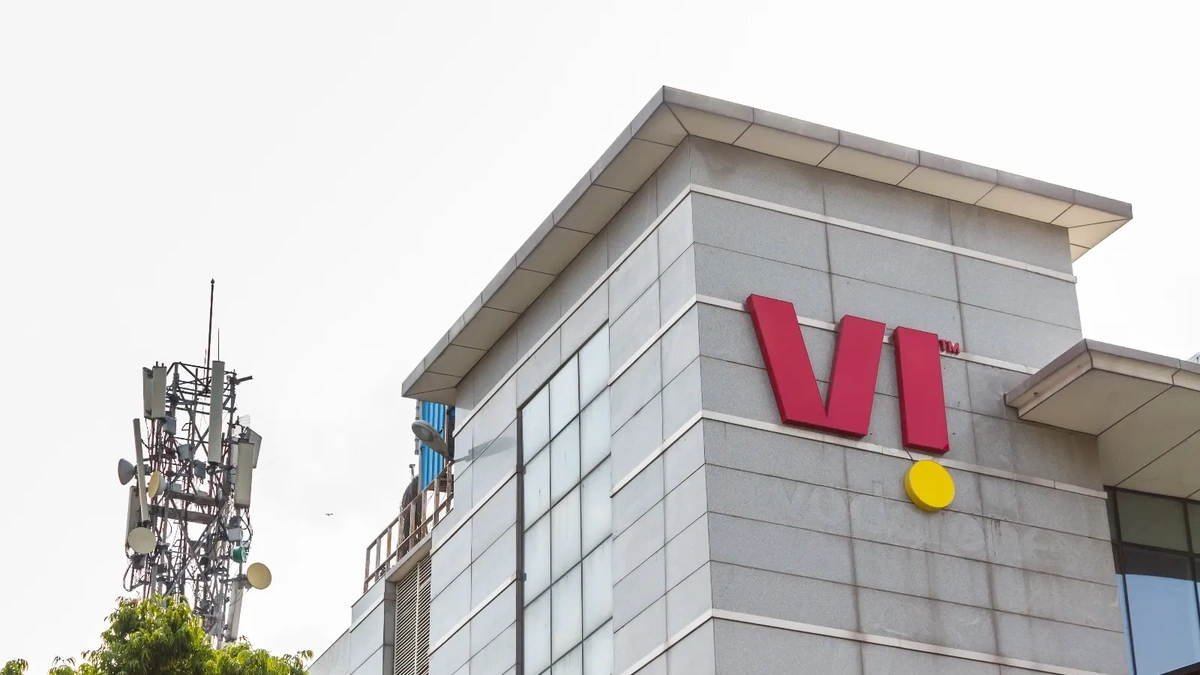
The buzz around Vodafone Idea (Vi) has been impossible to ignore lately. Whispers of government intervention, potential bailouts, and the sheer complexity of keeping India’s third-largest telecom operator afloat – it’s all enough to make your head spin. But here’s the thing: this isn’t just about numbers and balance sheets. It’s about us – the millions of subscribers who rely on Vi for everything from staying connected with family to running our businesses. So, let’s ditch the jargon and dive into what this all really means for you.
The Why | Why Saving Vi Matters (More Than You Think)
Let’s be honest, when we hear about a company struggling, our first thought isn’t usually, “Oh no, what about the consumers?” But in the telecom sector, the stakes are incredibly high. We’re talking about a domino effect that could impact everything from your mobile bills to the quality of your internet connection.
Here’s the core of the issue: India needs a healthy, competitive telecom market. A duopoly – where only two major players (think Reliance Jio and Airtel) dominate – isn’t good for anyone. Less competition means potentially higher prices, slower innovation, and fewer choices for consumers. And Vodafone Idea’s financial woes directly threaten that competitive landscape. The Indian telecom sector is crucial to the economic growth of India.
The government’s potential intervention, whether through equity conversion, deferred payments, or other financial instruments, is designed to prevent precisely that scenario. It’s about ensuring that there’s a viable third option in the market. The Indian government is taking measured steps to make sure the telecom company has all the resources it needs. Initially, I thought of this as some sort of corporate rescue operation, but it goes far deeper.
The How | What Could Government Aid Actually Look Like?
Okay, so the government might step in. But how? That’s the million-dollar question. Or, in Vi’s case, the multi-billion-rupee question. Here are some of the most likely scenarios:
- Equity Conversion: This is the most talked-about option. Vi owes the government a substantial amount in adjusted gross revenue (AGR) dues and spectrum payments. Converting this debt into equity would give the government a significant stake in the company.
- Deferred Payments: Think of this as pushing the payment deadline further down the road. It gives Vi some breathing room to improve its financial position without the immediate pressure of massive payouts.
- Direct Financial Assistance: While less likely, direct loans or grants aren’t entirely off the table, especially if the situation becomes critical.
Each of these options has its pros and cons. Equity conversion, for example, could dilute existing shareholders’ stakes, while deferred payments simply postpone the inevitable if Vi doesn’t turn its fortunes around. But , the important thing is that the government is actively exploring solutions.
The Emotional Angle | The Uncertainty and What It Means for You
Let’s be real: uncertainty is stressful. If you’re a Vi subscriber, you might be wondering: Will my service be disrupted? Will my bill go up? Should I switch to another provider?
Those are valid concerns. And while I can’t predict the future, here’s what I can tell you. The government’s intervention is intended to prevent service disruptions and price hikes. A stable Vi is in everyone’s best interest, including yours. But, like any evolving situation, keeping an eye on developments is wise.
Vi’s Comeback Strategy | More Than Just Survival
The thing is, government aid is just one piece of the puzzle. Vi itself needs a solid plan to turn things around. And there are signs that they’re working on it.
Increased investments in 4G network expansion , strategic partnerships to roll out 5G, and a renewed focus on customer experience are all crucial. But , Vi’s success depends on more than just technology. It needs to innovate, offer compelling value propositions, and win back customer trust. The Indian telecom industry is growing and the Indian government wants Vi to be a crucial part of its growth.
The Road Ahead | Navigating the Uncertainties
The future of Vi is still uncertain. There will be challenges, setbacks, and moments of doubt. But the potential for a stronger, more competitive telecom market in India is worth fighting for.
What fascinates me is the sheer scale of this situation. It’s not just about one company; it’s about the future of connectivity in India. And that’s something we should all be paying attention to.
Consider regularly checking trusted news sources and official announcements for updates. Also, evaluate your own needs as a customer, and whether Vi can continue to fulfill them. This isn’t just financial news; it’s about the very fabric of how we communicate and connect in India. The Indian government is keen on resolving these problems.
FAQ Section
Will Vodafone Idea shut down if the government doesn’t help?
While a complete shutdown is unlikely due to the government’s active consideration of aid, the consequences of no intervention could be severe, potentially leading to service disruptions and financial instability.
How will the government’s decision affect my Vodafone Idea plan?
The aim of the government’s support is to stabilize Vi, which should help in maintaining your current plan. However, the exact impact will depend on the final form of the aid and Vi’s subsequent strategies.
What is the adjusted gross revenue (AGR)?
Adjusted Gross Revenue (AGR) is the usage and licensing fee that telecom operators are required to pay to the Department of Telecommunications (DoT). Disputes over the definition of AGR have led to significant financial challenges for Vi.
Where can I find reliable updates on this situation?
Follow reputable news sources such as The Economic Times, Business Standard, and the official announcements from the Department of Telecommunications (DoT). Avoid relying solely on social media rumors.
What if I’m worried about service disruptions?
Keep an eye on official announcements from Vi. While the government’s intervention aims to prevent disruptions, having a backup plan (like a secondary SIM card) is always a good idea in uncertain situations.