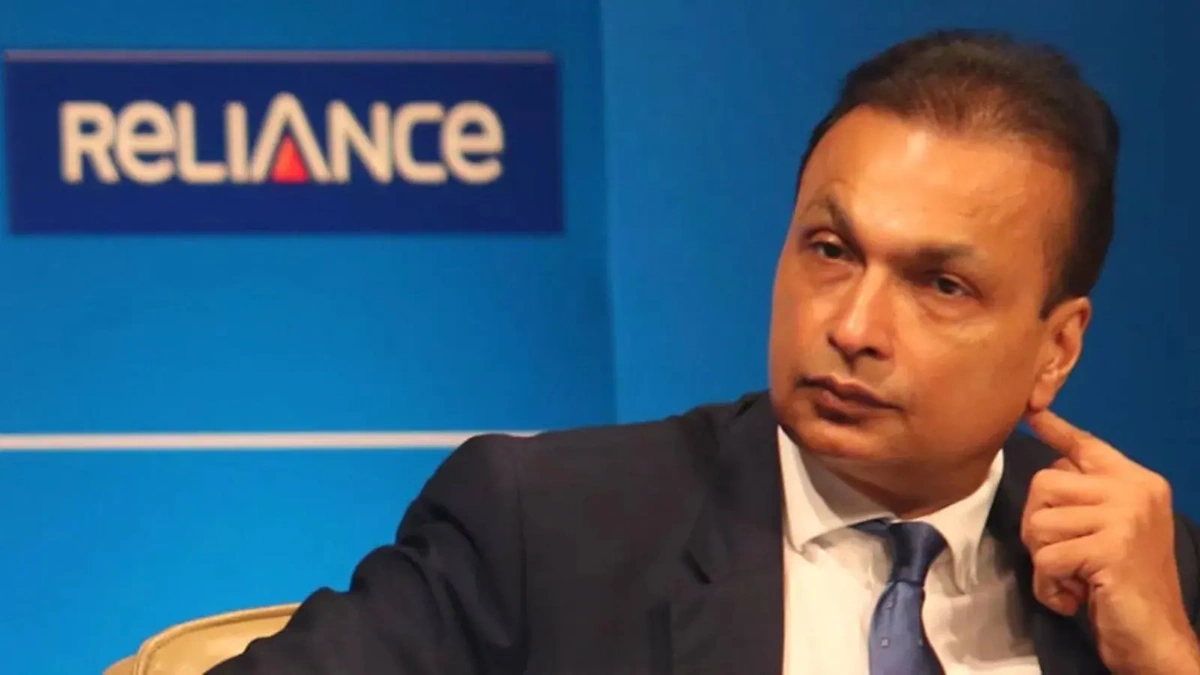
Rs 3,000 crore. Let that number sink in. It’s not just a large sum; it represents potentially years of alleged financial maneuvering. The Enforcement Directorate (ED) has recently seized assets exceeding this amount in connection with a money laundering case involving Anil Ambani . But what does this really mean, and why should you, sitting in your cozy Indian home, even care? Let’s be honest: financial scandals can seem a world away, dry and confusing. But this one touches on issues of corporate governance, economic stability, and even the integrity of our financial institutions. Here’s the thing: it impacts us all, even if indirectly.
The “Why” | Unpacking the ED Action Against Anil Ambani

Instead of just regurgitating news, let’s delve into the ‘why’. Why is the ED involved? What’s the big deal about money laundering? The ED, as India’s premier financial investigation agency, steps in when there’s a suspicion of money laundering – essentially, making illegally obtained money appear legitimate. This seizure of assets belonging to Anil Ambani suggests the ED believes that proceeds of crime are involved.
But here’s where it gets interesting. Money laundering isn’t just about hiding money; it’s about undermining the entire financial system. It allows corruption to thrive, distorts markets, and can even fund illicit activities. So, when the ED takes action, it’s not just about one individual; it’s about protecting the integrity of the entire economic landscape. What fascinates me is how these cases are like intricate puzzles, with investigators piecing together financial transactions to uncover the truth. According to reports, the ED’s investigation revealed that Ambani allegedly possessed undisclosed foreign assets and made transactions violating the Foreign Exchange Management Act (FEMA). Business Today provides a detailed breakdown of the alleged violations.
The “How” | Decoding the Money Laundering Allegations
So, how does money laundering actually work? It’s rarely as simple as stuffing cash into a suitcase. It often involves a complex web of transactions, shell companies, and offshore accounts. Think of it as a financial illusion, where the origin of the money is deliberately obscured. The ED’s investigation aims to trace these transactions, identify the sources of the funds, and ultimately prove that the assets are the proceeds of illegal activity. A common tactic involves routing funds through multiple layers of companies in different jurisdictions to disguise their origin. This makes it incredibly difficult for investigators to follow the money trail. Money laundering is a serious offense with far-reaching consequences, potentially impacting India’s economic stability.
The Prevention of Money Laundering Act (PMLA) is the key legislation empowering the ED to investigate these cases. It allows them to attach (seize) assets suspected to be derived from criminal activity, even before a conviction. This is a powerful tool, but it also raises questions about due process and the potential for abuse. The ED must demonstrate a clear link between the assets and the alleged crime, which can be a lengthy and complex legal battle.
The Implications | More Than Just a Headline
The Anil Ambani case has broader implications for the Indian business landscape. It sends a signal that no one is above the law, regardless of their wealth or influence. It also highlights the increasing scrutiny of corporate governance practices and the need for greater transparency in financial transactions. But, Vodafone Idea Share , where Ambani previously held significant stakes, has its own complexities and challenges. The case also raises questions about the role of auditors, regulators, and other gatekeepers in preventing financial misconduct. Were there warning signs that were missed? Were internal controls adequate? These are the questions that regulators and investors will be asking in the wake of this investigation.
Moreover, it can impact investor confidence. When high-profile cases of alleged financial wrongdoing emerge, it can create uncertainty and deter investment. Investors may become more cautious about putting their money into Indian companies, particularly those with complex ownership structures or a history of regulatory issues. So, the ED action serves as a deterrent, encouraging businesses to adhere to the highest ethical standards and comply with all applicable laws and regulations. And, let me rephrase that for clarity, this isn’t just about punishment; it’s about prevention.
What’s Next? The Road Ahead for Anil Ambani and the ED
The seizure of assets is just one step in a potentially long and complex legal process. The ED will now likely file a chargesheet, outlining the evidence against Anil Ambani . He will have the opportunity to defend himself in court, and the case could take years to resolve. The burden of proof lies with the ED to demonstrate that the assets are indeed the proceeds of crime. This will involve presenting evidence of illegal activity, tracing the flow of funds, and establishing a clear link between the assets and the alleged offense. It’s also important to note the concept of attachment of properties in such cases. Urban Company Losses are a completely different matter and not related to this issue.
The outcome of this case will have significant implications, not only for Anil Ambani but also for the broader business community. It will serve as a test case for the ED’s ability to effectively investigate and prosecute money laundering offenses. It will also shape the future of corporate governance and financial regulation in India. It is really important to follow the trail of events to understand how assets were seized .
Financial Misconduct and Anil Ambani
Allegations of financial misconduct and their implications on business ethics and corporate governance are being brought up again. The investigation into this case would set a precedent for compliance and regulation within the Indian financial system . Ambani is currently trying to counter the accusations and prove his innocence.
FAQ Section
Frequently Asked Questions
What exactly does “asset seizure” mean?
It means the ED has temporarily taken control of assets believed to be linked to illegal activity. Anil Ambani still owns them, but can’t sell or transfer them while the case is ongoing.
What happens if Anil Ambani is found guilty?
The assets could be permanently confiscated by the government. He could also face imprisonment and other penalties.
Can Anil Ambani appeal the ED’s actions?
Yes, he has the right to appeal to higher courts.
What are the key laws involved in this case?
The Prevention of Money Laundering Act (PMLA) and the Foreign Exchange Management Act (FEMA) are the primary laws governing this case.
How long could this investigation take?
Money laundering cases can be complex and lengthy. It could take several years to reach a final resolution.
Where can I find reliable updates on this case?
Follow reputable news sources like The Economic Times, Business Standard, and official statements from the ED.
So, the ED’s seizure of Anil Ambani’s assets is more than just a headline; it’s a reflection of the ongoing battle against financial crime and the pursuit of greater accountability in the Indian business world. It’s a reminder that transparency and ethical conduct are essential for building a strong and sustainable economy. The end result of it is that, in the end, it can impact every single investor in India.