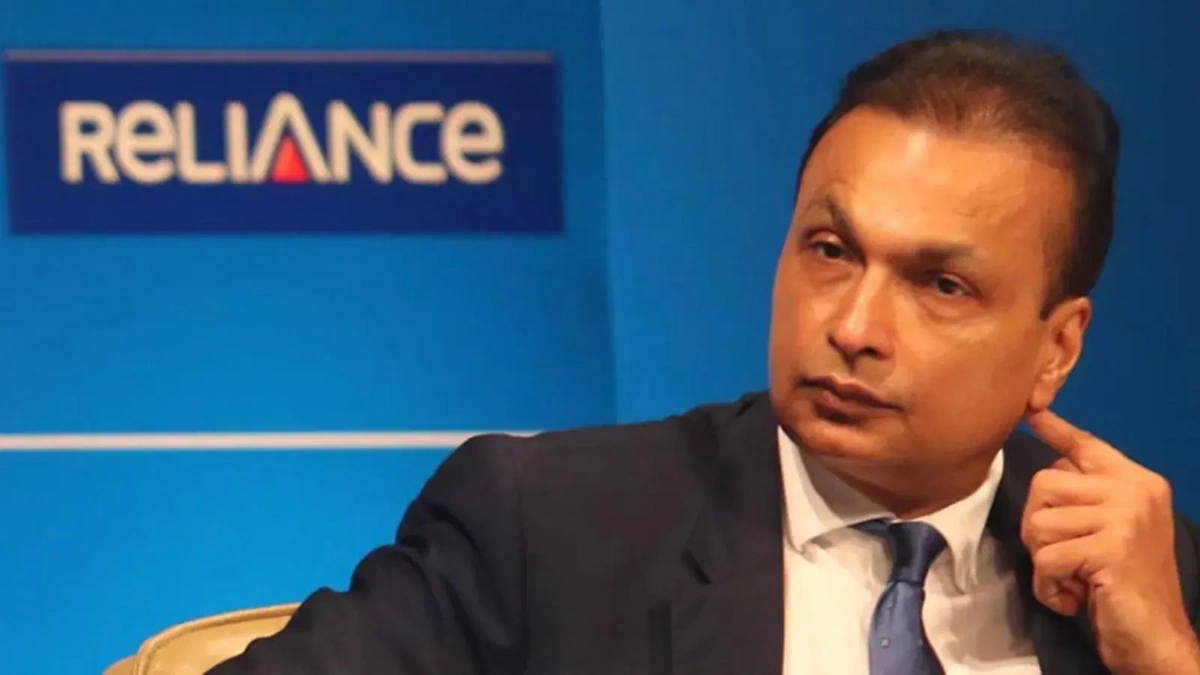
Anil Ambani. The name itself evokes a whirlwind of emotions, doesn’t it? From soaring heights to facing what seems like an unending series of setbacks, his journey is nothing short of a rollercoaster. But here’s the thing – it’s not just about the financial figures or the corporate dramas. It’s about resilience, about navigating the complexities of the Indian business landscape, and about the human spirit’s ability to persevere, even when the odds are stacked against you. Let’s dive deep into the ‘why’ behind Anil Ambani’s story – what lessons can we learn, and what does it all mean for India’s economic future?
The Rise and Fall | A Quick Recap

We all know the broad strokes: Anil, younger brother of Mukesh Ambani, inherited a significant portion of the Reliance empire. For a while, Reliance Communications (RCom) seemed poised to dominate the telecom sector. But, as they say, the best-laid plans often go awry. A combination of factors – aggressive competition, regulatory hurdles, and, let’s be honest, some strategic missteps – led to a precipitous decline. But it’s crucial to understand the nuances. The telecom sector in India is brutal, a battleground where only the fittest survive. RCom’s struggles weren’t simply about one person’s failures; they were also a reflection of the intense pressures within the industry.
I initially thought it was simply bad luck, but diving deeper, the situation is far more complex. You see, the regulatory environment in India can be a double-edged sword, and sometimes, even the best-laid plans can be undone by policy shifts. And, let’s not forget, technological advancements moved at warp speed, making it difficult for any company to stay ahead of the curve. This is particularly relevant considering the emergence of disruptive technologies, impacting traditional business models.
Decoding the Setbacks | More Than Just Bad Luck
So, what exactly went wrong? It’s easy to point fingers, but the truth is far more layered. One key aspect is the debt burden. RCom, under Anil Ambani, took on substantial debt to fuel its expansion plans. When the telecom sector became intensely competitive, servicing that debt became increasingly difficult.Competition from new entrants, particularly Reliance Jio (helmed by his brother Mukesh), further squeezed RCom’s margins. And here’s where the ‘why’ becomes critical: This wasn’t just a business failure; it was a failure to adapt to a rapidly changing market, a failure to anticipate the disruptive power of new technologies, and perhaps, a failure to manage risk effectively.
Another element is the legal battles. RCom faced numerous legal challenges, further complicating its financial woes. These legal entanglements not only drained resources but also eroded investor confidence. The lesson here? In India, navigating the legal system is as crucial as understanding the market itself. For example, the bankruptcy proceedings took a long time to resolve. It’s a complex ecosystem, and you must navigate it effectively. Otherwise, it could spell disaster.
The Marathon Continues | What’s Next for Anil Ambani?
Despite the setbacks, Anil Ambani’s story is far from over. He’s still involved in various ventures, and reports suggest he’s actively working to rebuild his business empire. But the landscape has changed dramatically. The Indian economy is evolving, and the rules of the game are constantly being rewritten. The crucial question is: Can Anil Ambani adapt? Can he learn from past mistakes and chart a new course? Only time will tell. For example, consider the evolving Indian business environment and its impact on established players.
Let me rephrase that for clarity. The ability to innovate and adapt is more critical than ever. It’s not enough to simply replicate past successes; you need to anticipate future trends and build a business model that can thrive in a constantly changing world. I’ve personally seen companies fail by clinging to outdated strategies, and I’ve seen others soar by embracing innovation and experimentation. It is all about change.
But, amidst all the financial analysis and corporate strategy, let’s not forget the human element. Anil Ambani’s journey is a testament to the resilience of the human spirit. He’s faced immense pressure, public scrutiny, and financial challenges that would crush most people. Yet, he continues to fight, to rebuild, to strive for success. And that, in itself, is an inspiring story. This drive and ambition are the qualities that define him.
The Lessons Learned | Insights for Aspiring Entrepreneurs
What can we, as Indians, learn from Anil Ambani’s journey? Several things. First, risk management is paramount. Don’t overextend yourself, and always have a plan B. Second, adapt to change. The business world is constantly evolving, and you need to be able to pivot quickly when necessary. Third, build strong relationships. In India, personal connections matter, and a strong network can be invaluable in navigating the complexities of the business landscape. And fourth, never give up. Resilience is key to success, and even when you face setbacks, you need to keep moving forward. A common mistake I see people make is underestimating the importance of financial planning .
And one thing you absolutely must double-check is your understanding of the regulatory environment. As per the guidelines mentioned in various government publications, compliance is not optional; it’s essential. Ignoring the rules can have dire consequences. This is just a fact.
FAQ Section
What exactly led to the downfall of Reliance Communications?
A combination of aggressive competition in the Indian telecom sector, high debt levels, regulatory hurdles, and strategic missteps contributed to RCom’s financial difficulties.
Is Anil Ambani completely out of business?
No, Anil Ambani is still involved in various business ventures and is reportedly working to rebuild his empire, focusing on new opportunities.
What’s the biggest lesson from Anil Ambani’s story?
Resilience, adaptability, and effective risk management are crucial for success in the Indian business landscape. His career shows the importance of strategic decision-making .
How has the Indian economy impacted his businesses?
Changes in the Indian economy, particularly in the telecom sector, created intense competition and regulatory challenges for RCom, contributing to its struggles.
What is the current financial status of Anil Ambani?
While specific details fluctuate, reports suggest Anil Ambani faces ongoing financial challenges but is actively pursuing strategies for recovery and new ventures.
In conclusion, Anil Ambani’s journey is a complex tapestry of ambition, challenges, and resilience. It serves as a potent reminder that success in the Indian business world requires not only vision and drive but also adaptability, prudence, and unwavering determination. Consider the larger picture and how global trends influence the Indian economy . His story isn’t just about him; it’s a reflection of India’s ever-evolving economic narrative. His journey is also a testament to the power of change.