The news is out: the Enforcement Directorate (ED) has seized assets worth ₹3,000 crore belonging to Anil Ambani , in connection with an alleged ₹20,000 crore bank fraud. But here’s the thing – it’s not just about the numbers. It’s about understanding why this is happening, what it means for the future, and what lessons we can learn from it. Forget the sensational headlines for a moment, and let’s unpack the real story behind the seizure.
The “Why” | Decoding the ED’s Action and the Alleged Fraud
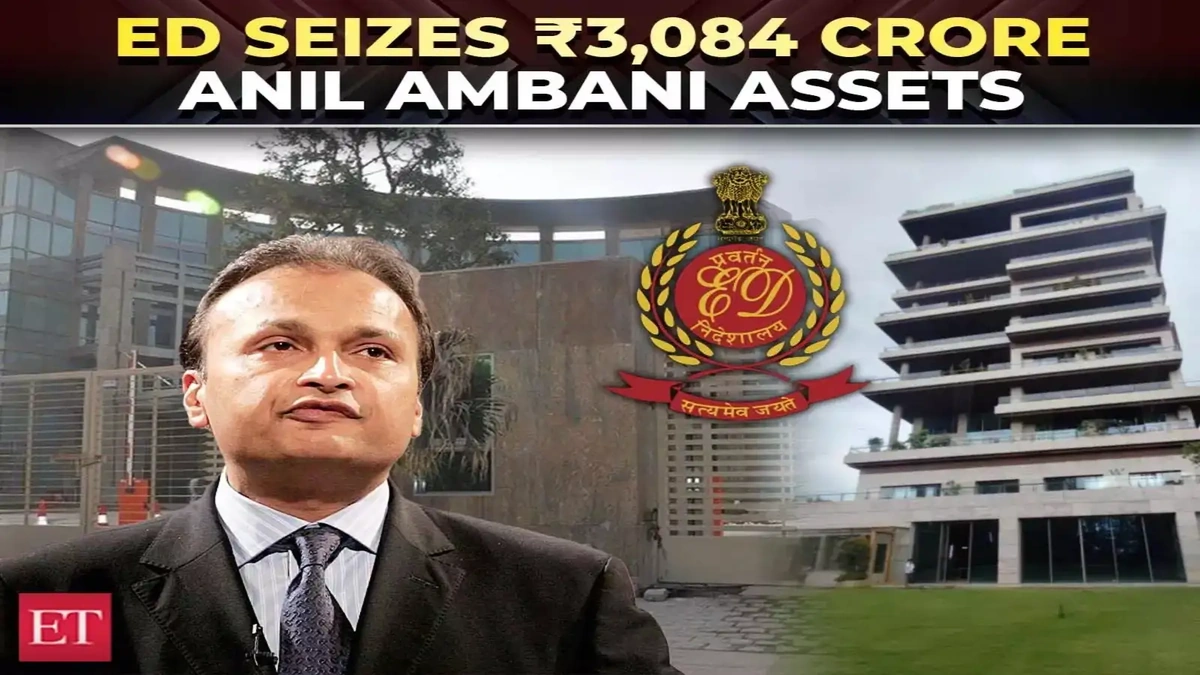
So, why this drastic action? Let’s be honest, a seizure of this magnitude isn’t something the ED does on a whim. It suggests a deep dive into the financial dealings of Anil Ambani and his companies, uncovering what they believe to be significant irregularities. The core of the issue revolves around allegations of a massive ₹20,000 crore bank fraud. We’re talking about potential misrepresentation of financials, siphoning of funds, or other illicit activities that defrauded banks out of a substantial sum.
But beyond the specific allegations, this case highlights a broader concern: the health of the Indian banking sector. Large-scale frauds like this erode public trust, destabilize the financial system, and ultimately affect every Indian citizen. Think about it – banks need to lend money to fuel economic growth. When they’re crippled by bad loans and fraud, that lending dries up, impacting businesses and jobs.The ramifications are far-reaching.
Unpacking the Seized Assets | What Does ₹3,000 Crore Really Mean?
₹3,000 crore. It’s a staggering figure, isn’t it? But what exactly are these Anil Ambani assets that have been seized? Well, it could include a wide range of things – real estate, shares in companies, bank accounts, and other investments. The ED’s job is to identify and attach these assets to prevent them from being further alienated or used to conceal the proceeds of the alleged crime.
I initially thought this was straightforward, but then I realized the complexity involved in valuing and liquidating such a vast array of assets. It’s not like selling a used car. There are legal hurdles, valuation challenges, and potential market disruptions to consider. The process can take years, and the ultimate recovery for the banks involved may be significantly less than the initial ₹20,000 crore fraud amount. It is very difficult task for Enforcement Directorate .
The Personal Angle | What’s Next for Anil Ambani?
Let’s not forget the human element in all of this. Regardless of the allegations, this is a significant personal setback for Anil Ambani. Once a titan of Indian industry, he now faces intense scrutiny and the potential for legal repercussions. But, remember, everyone is presumed innocent until proven guilty. The legal process will unfold, and Ambani will have the opportunity to defend himself against the charges. It is very difficult time for Anil Ambani group .
And, what’s next? The ED will likely continue its investigation, gathering evidence and potentially filing charges. The case will then move through the courts, where the truth will ultimately be determined. This could be a long and complex legal battle, with significant implications for all parties involved. This is one of the biggest bank fraud case .
Lessons for Investors and Entrepreneurs | Avoiding the Pitfalls
So, what can we, as investors and entrepreneurs, learn from this situation? Well, here’s the thing: transparency and ethical conduct are paramount. While ambition and risk-taking are essential for success, they must be tempered with a strong sense of integrity and adherence to the law. A common mistake I see people make is cutting corners or bending the rules in the pursuit of short-term gains. But in the long run, such behavior almost always backfires. For more insights, explore this related article .
Furthermore, this case underscores the importance of due diligence. Whether you’re investing in a company or starting your own venture, it’s crucial to understand the risks involved and to conduct thorough research. Don’t just blindly follow the crowd or rely on hearsay. Dig deep, ask tough questions, and make informed decisions. It will protect your investment for long time.
The Broader Economic Impact | Safeguarding the Banking System
Ultimately, the Anil Ambani case serves as a stark reminder of the importance of a robust and well-regulated banking system. We need strong oversight, effective enforcement, and a culture of accountability to prevent future frauds and protect the interests of depositors and investors.
What fascinates me is how interconnected everything is. A single case of alleged fraud can have ripple effects throughout the entire economy. That’s why it’s crucial for regulators to stay vigilant and to act decisively when wrongdoing is suspected. The stability of the Indian banking sector depends on it.
The ED seizing ₹3,000 crore Anil Ambani assets is more than just a news headline. It’s a symptom of deeper issues within the financial system, a cautionary tale for investors and entrepreneurs, and a reminder of the importance of ethical conduct and responsible governance. This will have a long term impact on Anil Dhirubhai Ambani .
FAQ Section
Frequently Asked Questions
What exactly does “asset seizure” mean?
It means the Enforcement Directorate (ED) has taken control of properties and investments owned by Anil Ambani, preventing him from selling or transferring them while the investigation is ongoing.
What happens to the seized assets now?
The assets are held by the ED. If Anil Ambani is found guilty, these assets could be used to repay the banks he allegedly defrauded. Otherwise, they’ll be returned.
What is the role of the Enforcement Directorate (ED) in this case?
The ED is responsible for investigating financial crimes like money laundering and fraud. They gather evidence, seize assets, and prosecute offenders.
Could this case affect other Reliance Group companies?
Potentially. While the case directly involves Anil Ambani, any negative publicity or financial instability could indirectly impact other companies within the broader Reliance Group. Check out more on market trends here: latest market analysis .
What can small investors learn from this situation?
Always do your research before investing in any company. Understand the risks involved and don’t put all your eggs in one basket. Diversification is key.
Is Anil Ambani in jail?
As of the current information available, Anil Ambani has not been arrested in connection with this case. The ED has seized his assets, and the investigation is ongoing.