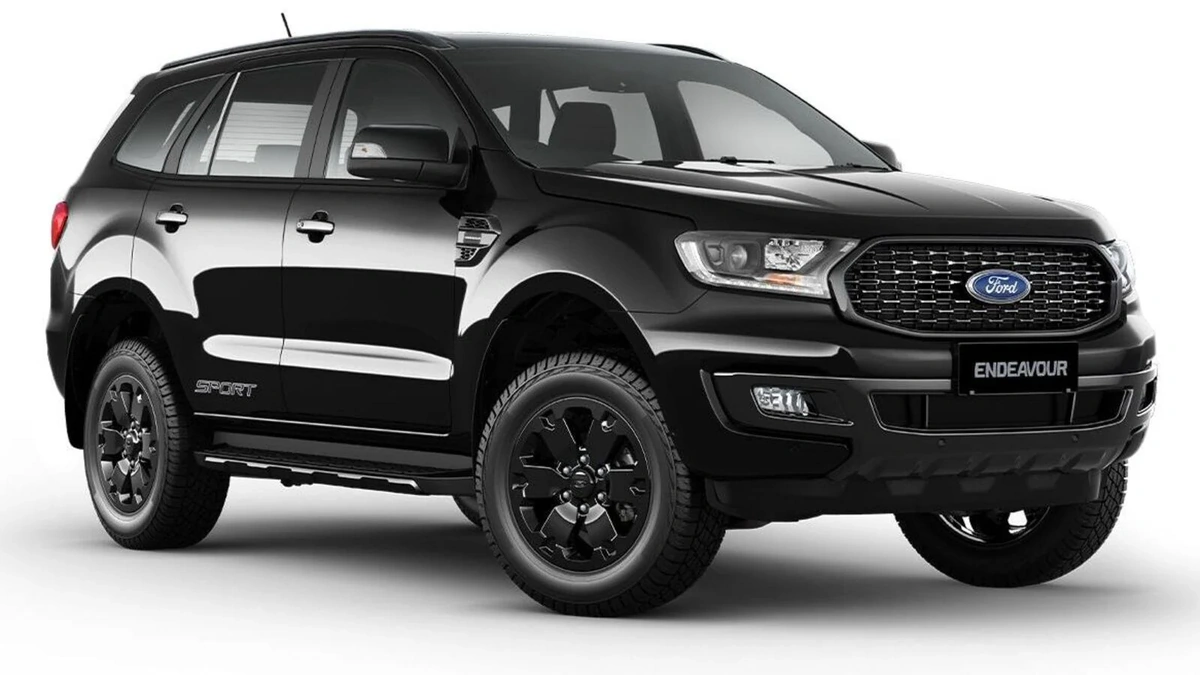
Ford’s exit from India in 2021 left a gaping hole in the automotive landscape and a bitter taste for enthusiasts. But hold on – what if I told you the Blue Oval wasn’t entirely done with us? Buckle up, because Ford India is making a comeback, albeit in a different avatar, with a significant investment of Rs 3,250 crore. The question is: why? What’s the bigger picture here?
Why Now? Decoding Ford’s Second Innings
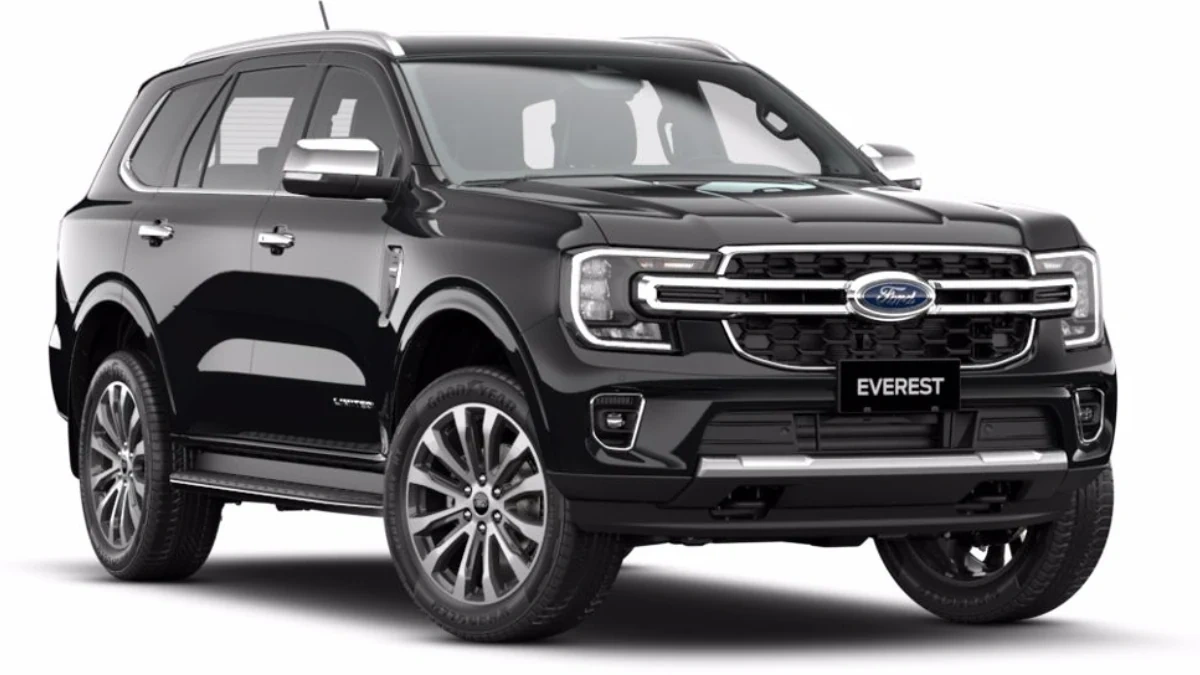
Let’s be honest, the initial exit felt abrupt. But automakers often reassess markets. India, despite its challenges, remains a massive potential market. The Indian automotive sector is projected to grow substantially, and Ford clearly wants a slice of that pie. Here’s the thing: this investment isn’t about re-entering the mass market. It’s a strategic pivot.
I initially thought this was just about using India as an export hub – and that’s definitely part of it. But it’s more nuanced than that. According to industry analysts, Ford is focusing on leveraging India’s engineering and manufacturing capabilities for its global operations. Think of it as a strategic realignment, not a complete restart of their previous India strategy. Ford aims to capitalize on the cost-effectiveness and skilled labor available in India. This isn’t just about making cars for India; it’s about making components and potentially vehicles from India for the world.
This is a calculated move, focusing on segments where they can be competitive, likely through Completely Knocked Down (CKD) or Completely Built Unit (CBU) routes, rather than investing heavily in building mass-market cars from scratch. Ford’s global strategy emphasizes electric vehicles (EVs) and high-end SUVs, and we might see some of those models making their way to India.
The Rs 3,250 Crore Question | What Will Ford Build?
Where is this money going? That’s the burning question, isn’t it? While Ford hasn’t explicitly detailed the breakdown, we can infer based on their stated goals. A significant chunk will undoubtedly be used to modernize the Chennai plant, which is now being prepped for export-oriented manufacturing. This includes upgrading the production line, integrating new technologies, and enhancing the plant’s capacity to meet global standards. It’s not just about churning out cars; it’s about producing high-quality components and vehicles that meet the stringent requirements of international markets. More details about the Chennai plant can be found here .
Expect investments in research and development (R&D) as well. Ford needs to adapt its global products to suit Indian conditions and regulations. This means tweaking existing models, developing new features, and ensuring compliance with local safety and emission norms. Don’t be surprised if a portion is allocated to building a stronger supplier base. A robust supply chain is crucial for cost-effective manufacturing and timely delivery.
Impact on the Indian Automotive Market
So, how will this affect us, the Indian consumers? Initially, the impact might not be immediately visible. We’re not going to see a flood of new Ford models in showrooms overnight. But over time, this investment could lead to several positive outcomes. Firstly, it will create jobs – both directly at Ford’s facilities and indirectly through its supplier network. Secondly, it could bring new technologies and manufacturing processes to India, benefiting the entire automotive ecosystem. Thirdly, it might spur competition, encouraging other automakers to invest more in the Indian market. This is also a opportunity to look at Ford India’s future plans .
The other player here is Mahindra and Ford Joint Venture . Remember the excitement around a potential Ford-Mahindra partnership? While that didn’t materialize in the way we expected, the groundwork laid during those discussions might still influence Ford’s approach. Mahindra’s expertise in the Indian market, coupled with Ford’s global engineering prowess, could have been a winning combination. Perhaps, in the future, we might see some form of collaboration, even if it’s not a formal joint venture.
The Road Ahead | Challenges and Opportunities
Of course, the road ahead isn’t without its bumps. Ford faces several challenges, including navigating the complex Indian regulatory landscape, competing with established players, and building a strong brand image after its previous exit. But there are also significant opportunities. India’s growing economy, increasing disposable incomes, and rising demand for automobiles make it an attractive market. Ford can leverage its global expertise, technological capabilities, and iconic brand to carve out a niche for itself. One thing absolutely certain is the future of automotive manufacturing has a play in India.
The key will be to focus on areas where they have a competitive advantage and to adapt their global strategy to suit the unique needs of the Indian market. This might mean launching niche products, focusing on exports, or forging strategic partnerships. The Ford India investment details will be closely watched by competitors and consumers alike.
Will Ford Succeed This Time?
Ultimately, the success of Ford’s second innings in India will depend on its ability to execute its strategy effectively. It needs to be agile, adaptable, and responsive to the evolving needs of the market. It also needs to build trust with Indian consumers, who might still be wary after the previous exit. Layoff in major companies in India is a common problem, and trust is key.
But if Ford can overcome these challenges, it has the potential to become a significant player in the Indian automotive market. Its Rs 3,250 crore investment is a testament to its commitment to India, and it signals a new chapter in the company’s relationship with this important market. What fascinates me is the long game – this isn’t just about short-term profits; it’s about building a sustainable presence in a market with immense potential. It’s all about re-establishing Ford’s brand .
FAQ Section
Will Ford re-launch old models like the EcoSport?
It’s unlikely Ford will re-launch older models exactly as they were. They’re more likely to bring in newer, globally competitive vehicles, possibly through the CKD or CBU route.
What kind of jobs will this investment create?
The investment will create jobs in manufacturing, engineering, R&D, and the supply chain. The exact number will depend on the scale of Ford’s operations.
When can we expect to see new Ford vehicles in India?
It’s difficult to say precisely, but expect a gradual rollout over the next few years as Ford ramps up its manufacturing and import operations.
Is Ford focusing on electric vehicles for India?
While not explicitly stated, Ford’s global push towards EVs suggests that electric models will likely be part of their future India strategy.
What if I am an existing Ford customer?
Do not worry, Ford service network in India is still operational. Ford is committed to providing service and support for existing Ford owners.
So, there you have it. Ford’s return to India isn’t just a news story; it’s a complex strategic move with potentially far-reaching implications for the Indian automotive market. Whether they succeed or not remains to be seen, but one thing’s for sure: it’s going to be an interesting ride. This is the significance of Ford’s investment in the Indian market.