So, the Lenskart IPO is off to the races! Day one numbers are in, and they’re… well, let’s just say they’re interesting. A 41% subscription rate and grey market premium (GMP) hinting at a 17% listing gain. Here’s the thing – that’s not exactly a blockbuster debut. But before you jump to conclusions, let’s dive into why this matters and what it could mean for you, whether you’re a seasoned investor or just starting out.
Decoding the Day 1 Numbers | More Than Meets the Eye
Okay, 41%. It doesn’t scream “overwhelming demand,” does it? But IPO subscriptions are rarely straightforward. Several categories of investors are involved, each with its own timeline and strategy. We need to understand the breakdown. How did the retail investors respond? What about the institutional guys, the big players? The quality of subscription matters just as much as the overall number.
And then there’s the GMP – the grey market premium. This is the unofficial price at which shares are trading before they even hit the stock exchange. A 17% GMP suggests that people are expecting a decent, but not spectacular, listing gain. But, and this is a big ‘but,’ the GMP is notoriously volatile. It can change on a dime based on market sentiment and news flow. So, don’t take it as gospel.
What fascinates me is how the overall economic climate plays into this. Are investors feeling bullish or cautious? Is there a general sense of optimism about the future of the Indian economy, and specifically about the e-commerce sector? These factors weigh heavily on IPO performance. Let’s be honest; IPOs often reflect the mood of the market more than the inherent value of the company.
The “Why” Behind Lenskart’s IPO | Beyond the Funding
Lenskart isn’t just some random startup looking for a quick cash injection. It’s a major player in the Indian eyewear market, and its IPO is a significant event for several reasons. First, it’s a test of investor appetite for Indian tech companies after a period where many such IPOs have disappointed. Secondly, it provides Lenskart with the capital it needs to fuel its ambitious expansion plans. Lenskart IPO subscription status is something to keep an eye on as well.
But there’s more to it than just funding. An IPO raises a company’s profile, enhancing its brand recognition and credibility. This is particularly important in a competitive market like eyewear, where trust and reputation matter. And of course, it allows early investors, including venture capitalists, to cash out and reap the rewards of their initial investment.
Think of it like this: an IPO is a company’s coming-of-age party. It’s a chance to prove itself on the big stage and attract a wider audience of investors. So, while the Day 1 numbers are important, they’re just one chapter in a much longer story. IPO analysis is a complex world.
Key Details You Need to Know (And Why They Matter)
So, you’re thinking about investing? Good for you! But before you jump in, let’s cover some key details. First, understand the IPO price band. This is the range within which the company expects its shares to be priced. Then, look at the IPO dates – when the issue opens and closes. These are critical deadlines you don’t want to miss. Also, check out other IPOs like the Ola Electric IPO .
A common mistake I see people make is not reading the prospectus carefully. This is the document that contains all the important information about the company, its business, its financials, and the risks involved. Yes, it’s long and boring, but it’s essential reading if you want to make an informed decision. As per SEBI guidelines, full disclosure is mandatory, so the information is there for you to find.
I initially thought this was straightforward, but then I realized the importance of understanding the allocation process. Not everyone who applies for an IPO gets the shares they want. The allocation is often based on a lottery system, especially for retail investors. So, don’t be surprised if you don’t get any shares, even if you apply. Another key point is the Lenskart IPO allotment status , keep an eye on this.
According to reports, the Lenskart IPO price band is expected to be somewhere around ₹500-₹550 per share. Always refer to authentic sources such as SEBI.
What’s Next for Lenskart? The Road Ahead
Let’s look beyond Day 1. What are Lenskart’s plans for the future? Where does it see itself in 5, 10 years? Understanding the company’s vision is crucial for assessing its long-term potential. Is it planning to expand into new markets? Is it investing in new technologies, like AI or virtual reality? These are the questions you should be asking.
What fascinates me is how Lenskart is adapting to the changing landscape of the eyewear market. Online is growing rapidly, but physical stores still play a vital role, especially in India, where many people prefer to try on glasses before buying them. Lenskart has a hybrid model, combining online and offline channels, which seems to be working well. But can it maintain this advantage as competition intensifies? Always remember to consider Lenskart IPO risks before making any decision.
Lenskart’s success will depend on its ability to innovate, adapt, and stay ahead of the curve. It’s a fast-moving market, and companies that stand still get left behind. So, keep an eye on Lenskart’s product development, its marketing strategies, and its overall execution. The Indian eyewear market is massive, and it offers huge opportunities for growth, but only for those who can seize them.
And so, the Lenskart IPO journey continues. Day 1 was just the beginning. The real test will be how the company performs in the months and years ahead. Invest wisely, do your homework, and remember that the stock market is a marathon, not a sprint. Good luck! Don’t forget to check the Lenskart IPO date so that you don’t miss out.
FAQ About the Lenskart IPO
What is an IPO, in simple terms?
It stands for Initial Public Offering. It’s when a private company offers shares to the public for the first time. Think of it as the company going public to raise money from investors.
How do I apply for the Lenskart IPO?
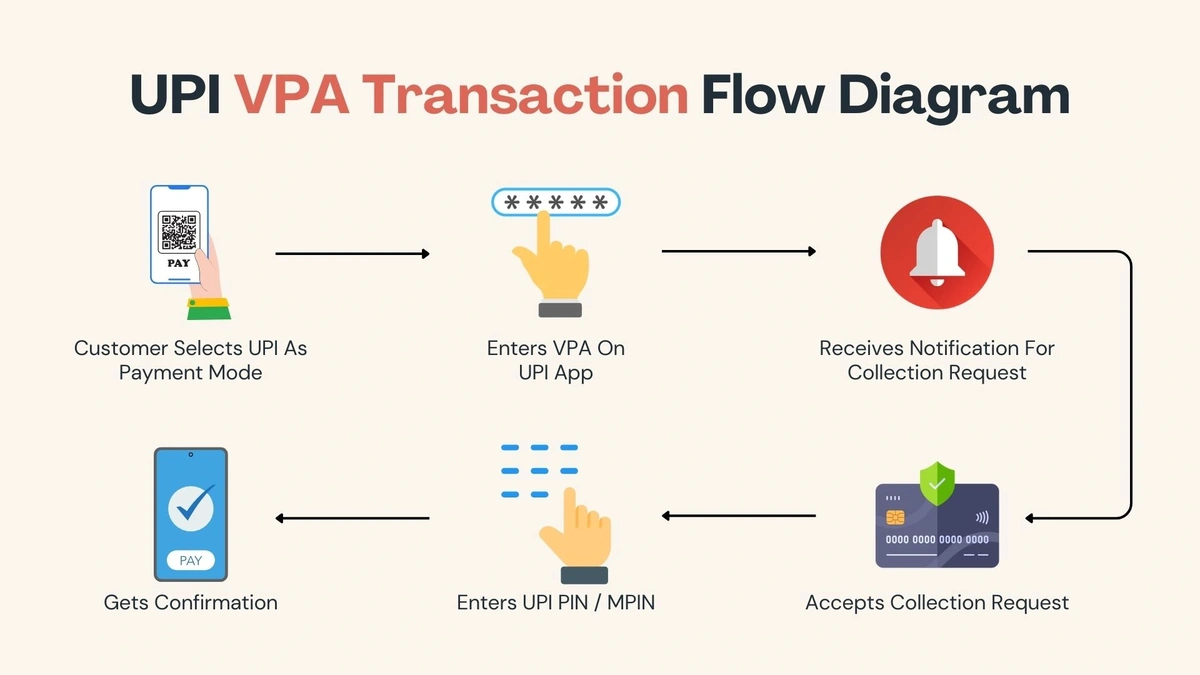
You can apply through your broker’s online platform or through the UPI mechanism via your demat account.
What if I don’t get the shares I applied for?
If the IPO is oversubscribed, not everyone gets the shares. If you don’t get them, your money is refunded back to your account.
Where can I find the Lenskart IPO prospectus?
The prospectus is available on the SEBI website and on the websites of the lead managers to the issue.
What is GMP?
GMP stands for Grey Market Premium. It’s the premium at which shares are trading in the unofficial market before they are listed on the stock exchange.
Is investing in an IPO always a good idea?
Not necessarily. IPOs can be risky, and it’s important to do your research and understand the risks before investing.