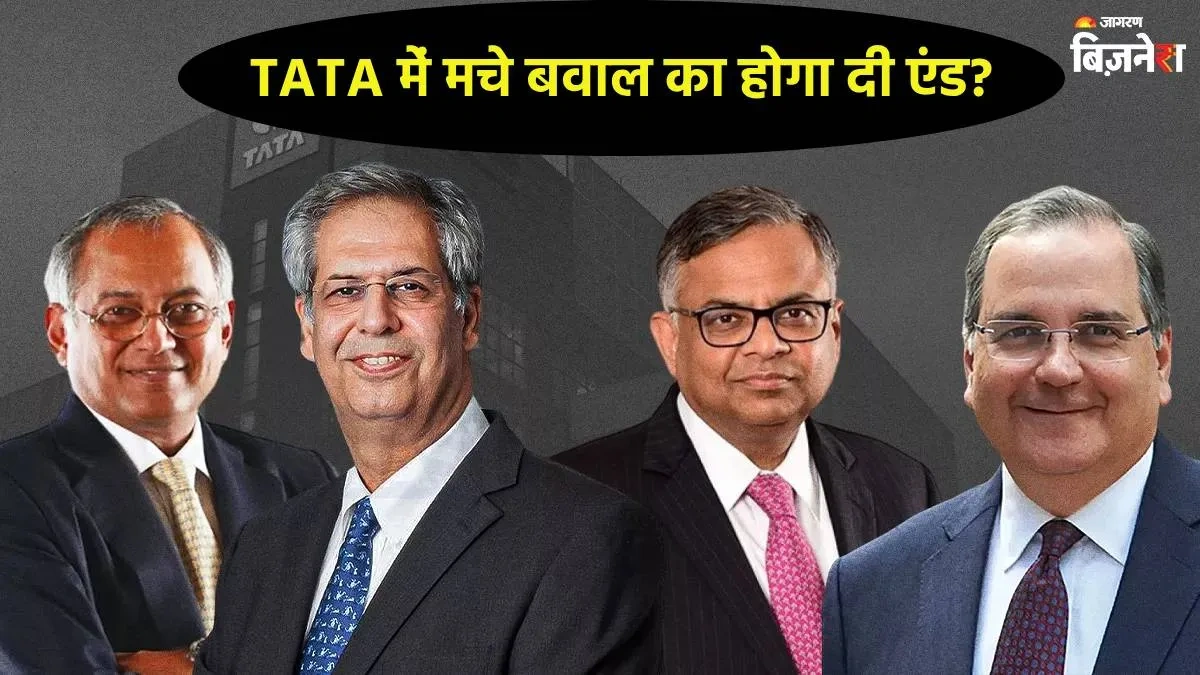
Air India. The name itself evokes a mix of nostalgia, a hint of royalty (remember the Maharajah?), and, let’s be honest, a bit of financial anxiety. It’s a brand synonymous with India’s aviation history, but it’s also been plagued by persistent financial troubles. And the latest chapter? Talk of a 10,000 crore (that’s 100 billion rupees!) lifeline just to keep it afloat. That’s a sum that would make even the most seasoned finance minister sweat. But the real question isn’t just about the money; it’s about why Air India perpetually finds itself in this situation, and what this constant need for bailouts signals about the future of the airline and, frankly, the aviation sector in India. We’re not just talking about numbers here; we’re talking about the livelihood of thousands, the prestige of a nation, and the delicate balance of an industry.
The Vicious Cycle | Debt and Operational Inefficiencies
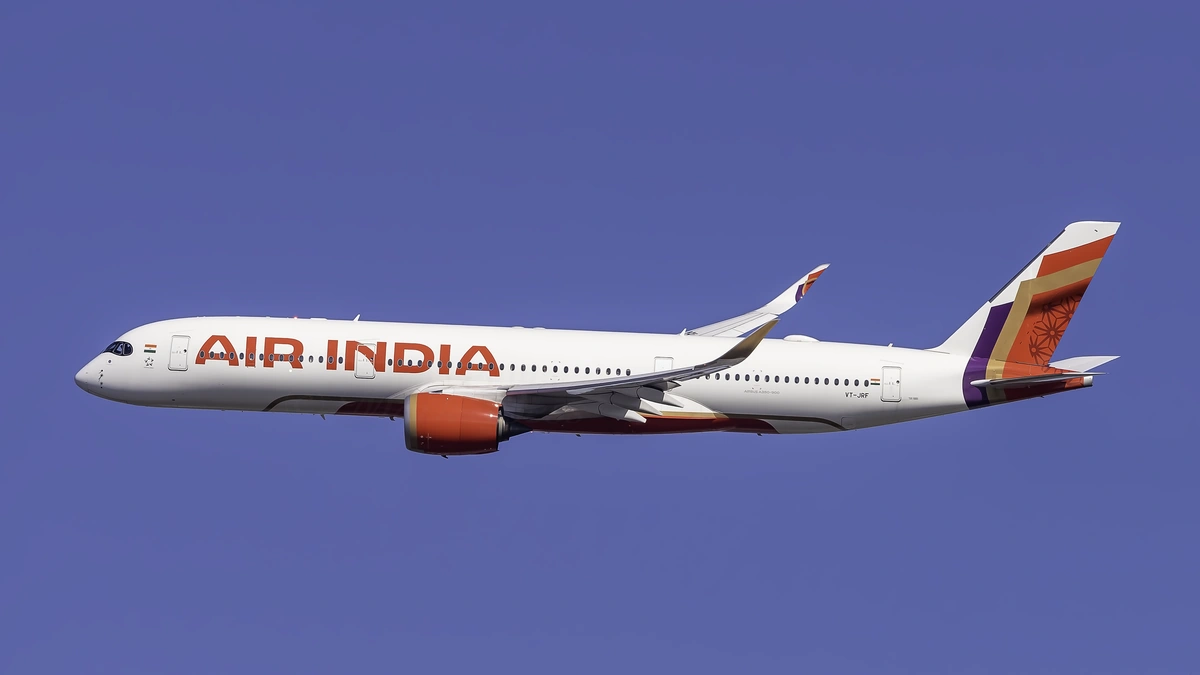
Here’s the thing: Air India’s problems aren’t new. They’re deeply rooted in a combination of factors, including a mountain of debt, operational inefficiencies, and, let’s be frank, some questionable decisions made over the years. Think of it like this: imagine trying to run a marathon with ankle weights – that’s Air India battling against its debt burden. The airline has been struggling with this for years. This isn’t just some recent blip; it’s a systemic issue.
But where did all this debt come from? A major chunk stems from the 2007 merger with Indian Airlines. While the intention was to create a stronger, more competitive national carrier, the execution left much to be desired. The integration process was messy, cultures clashed, and, crucially, the combined entity inherited a massive amount of debt. And this debt burden continues to weigh down the airline, making it difficult to invest in new aircraft, improve services, and compete effectively with leaner, more agile private players. As explained in the Livemint report , the merger’s failure exacerbated the financial strain, revealing just how crucial strategic planning is.
Adding to the debt woes are operational inefficiencies. We’re talking about everything from high fuel costs to suboptimal route planning and maintenance delays. These issues might seem small individually, but they add up, impacting the bottom line significantly. Imagine a leaky bucket – small drips might seem insignificant, but over time, they can empty the entire bucket. What fascinates me is how these seemingly minor inefficiencies contribute to a larger problem.
Privatization | The Only Way Out?
So, what’s the solution? For years, the government has been pouring money into Air India, hoping to turn things around. But, let’s be honest, these bailouts have been more like band-aids on a gaping wound. They provide temporary relief, but they don’t address the underlying problems. The most recent talk about a 10,000 crore lifeline is just another chapter in this ongoing saga.
The government finally took the plunge and privatized Air India, selling it to the Tata Group. Now, privatization has been a controversial topic, with many fearing job losses and a decline in service quality. But here’s the thing: continuing down the same path simply wasn’t sustainable. Air India was bleeding money, and without significant changes, it was headed towards a slow and painful demise. The Tata Group’s acquisition offers a glimmer of hope, but it’s not a magic bullet. It will require a complete overhaul of the airline’s operations, a strategic restructuring of its debt, and a renewed focus on customer service. The one thing I can say with certainty is that, it’s a new beginning. How it turns out, only time will tell.
A common mistake people make is thinking that privatization is a guaranteed fix. It’s not. It’s an opportunity for a fresh start, but success depends on the new owners’ ability to address the deep-seated problems that have plagued Air India for decades. It will also be interesting to see how the Tata group will manage the massive Air India debt .
The Ripple Effect | Implications for the Indian Aviation Sector
Air India’s financial woes don’t just impact the airline itself; they have a ripple effect on the entire Indian aviation sector. The constant need for government bailouts distorts the market, creating an uneven playing field for private airlines. It’s like giving one runner a head start in a race – it’s simply not fair to the other competitors. This can stifle innovation, discourage investment, and ultimately harm consumers. This is not good. I initially thought this was a fairly straightforward issue, but it’s turning out to be much more complex than I thought.
The Tata group are aiming to make significant changes, and they may affect everything from the flight experience to the types of aircraft Air India uses, as well as the routes and destinations. It’s a time of great flux in the aviation industry right now, with the rise of budget airlines like Indigo and SpiceJet, these low-cost carriers have disrupted the status quo, offering affordable fares and challenging the dominance of traditional full-service airlines. But this also means that the competition has become more fierce. You can learn more about the job market situation in AI Job Losses.
So, what does the future hold for Air India and the Indian aviation sector? It’s hard to say for sure. The Tata Group faces a formidable challenge in turning around the airline. But if they succeed, it could usher in a new era of growth and competitiveness for the entire industry. And that’s something we can all cheer for. Let me rephrase that for clarity, the success of Air India is not just about saving an airline; it’s about creating a more vibrant and sustainable aviation ecosystem in India.
Navigating the Turbulence | What This Means for You
Okay, so we’ve talked about the big picture – the debt, the privatization, the industry implications. But what does all of this mean for you, the average traveler? Well, in the short term, you might not notice much of a difference. But in the long term, a successful turnaround of Air India could lead to improved service quality, more competitive fares, and a wider range of destinations. Think of it as a rising tide that lifts all boats – a stronger Air India could benefit all passengers, regardless of which airline they choose to fly.
A key question is whether Air India privatization can help the company. The airline’s financial troubles have led to flight delays, baggage handling issues, and other customer service problems. A successful turnaround could address these issues, leading to a smoother and more enjoyable travel experience. This could also mean better integration of technology in the airline’s business processes. Of course, that would mean the hiring of new tech staff. You can read about the issues surrounding Amazon layoffs .
FAQ
Frequently Asked Questions
What exactly is this 10,000 crore lifeline for?
It’s essentially emergency funding to keep the airline operational while the new owners, the Tata Group, implement their turnaround plan. Think of it as life support during a critical operation.
Will this bailout actually solve Air India’s problems?
Not on its own. It’s a temporary measure. The long-term solution depends on the Tata Group’s ability to address the underlying issues of debt and inefficiency.
How will Air India’s privatization affect ticket prices?
It’s difficult to say for sure. Ideally, increased competition and efficiency could lead to lower prices. But market forces and other factors will also play a role.
What happens if the Tata Group fails to turn Air India around?
That’s the million-dollar question. Another bailout would be unlikely. The airline could face further downsizing, or even closure. But let’s hope it doesn’t come to that.
Will there be job losses as a result of the privatization?
Possibly. Restructuring often involves streamlining operations, which can lead to job cuts. However, the Tata Group has stated its commitment to minimizing job losses.
Is Air India safe to fly with?
Absolutely. Despite its financial troubles, Air India maintains high safety standards. Safety is always the top priority in the aviation industry.
In conclusion, Air India’s story is a complex one, filled with financial challenges, political considerations, and the hopes of a nation. The 10,000 crore lifeline is just one chapter in this ongoing saga. The real test lies ahead, in the Tata Group’s ability to navigate the turbulence and steer Air India towards a brighter future. And for India, the skies are still big enough for the new to shine.