Air India, once the pride of India, is now asking for a hefty sum – over $1 billion, to be precise – from its parent company, Tata Sons, and Singapore Airlines. Let’s be honest, that’s not exactly pocket change. But instead of just reporting the numbers, what’s really going on here? That’s what we’re diving into.
The Billion-Dollar Question | Why Now?
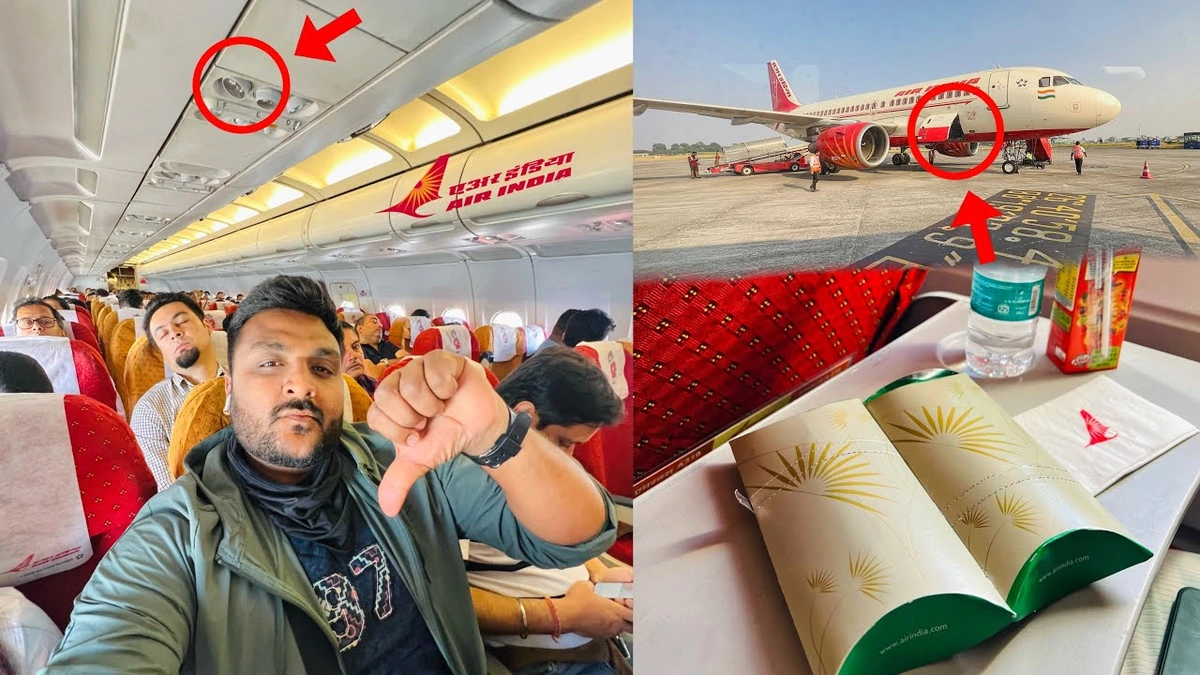
So, Air India needs a cool billion dollars. Why? Well, several factors are at play. The airline industry, as a whole, is still recovering from the pandemic – a period that was devastating for travel. Think about it: planes grounded, routes cancelled, and passenger numbers plummeting. While things are improving, the recovery hasn’t been uniform across all airlines.
Air India, in particular, faces unique challenges. Remember, it was recently acquired by the Tata Group after decades of being a government-owned entity. This transition, while positive in the long run, involves a significant overhaul. We’re talking about restructuring debt, modernizing the fleet, improving customer service, and essentially, rebuilding the entire brand. This requires massive investment.
Then there’s the competitive landscape. Airlines like IndiGo and SpiceJet are fierce competitors, especially on domestic routes. Air India needs to up its game to compete effectively, and that means investing in everything from better aircraft to more attractive pricing strategies. That’s where Tata Sons and Singapore Airlines come in.
Consider this: Tata Sons has a long history of turning around struggling businesses. They’ve done it before, and they likely see Air India as a valuable asset worth investing in. And Singapore Airlines? They’re renowned for their operational excellence and customer service – expertise that could be invaluable to Air India’s transformation.
Digging Deeper | Where Will the Money Go?
The big question is: how will Air India spend this injection of funds? Based on industry analysis, a significant portion will likely go towards debt repayment. Years of government ownership left Air India with a substantial debt burden, which needs to be addressed to ensure long-term financial stability.
Fleet modernization is another crucial area. Air India needs to replace its aging aircraft with newer, more fuel-efficient models. This not only improves operational efficiency but also enhances the passenger experience. Expect to see investments in new planes and upgrades to existing ones. This will help Air India strengthen its position in the competitive aviation sector.
Customer service is also a key priority. Air India has struggled with its reputation in the past, and improving the customer experience is essential to winning back passengers. This means investing in training, technology, and infrastructure to provide a seamless and enjoyable journey for travelers. This is where the expertise of Singapore Airlines will truly shine.
The Tata Transformation | A Long-Term Game
Here’s the thing: turning around an airline of Air India’s size is not a quick fix. It’s a marathon, not a sprint. The Tata Group understands this, and they’re committed to the long-term transformation of the airline. They’re not just throwing money at the problem; they’re implementing a comprehensive strategy to rebuild the brand from the ground up.
I initially thought this was just about plugging a financial hole, but then I realized it’s much more strategic. It’s about creating a sustainable, profitable airline that can compete on the global stage. And that requires patience, investment, and a clear vision.
As per various media sources, the Tata Group’s strategy likely includes expanding Air India’s route network, particularly to international destinations. This will allow the airline to tap into new markets and attract a wider range of passengers. Plus, expect to see a greater focus on premium services, catering to business travelers and high-end tourists.
Furthermore, the synergies between Air India and other Tata Group companies, such as Tata Technologies and Tata Consultancy Services (TCS), can be leveraged to improve operational efficiency and enhance the customer experience. For example, TCS could develop innovative technology solutions to streamline booking processes and provide personalized travel recommendations. Let me rephrase that for clarity: it’s about creating a holistic ecosystem where different parts of the Tata Group work together to create a better aviation service .
Potential Hurdles and Challenges
Of course, the road ahead won’t be without its challenges. Integrating different corporate cultures – the legacy of Air India with the Tata Group’s way of doing things – can be complex. There might be resistance to change from some employees, and managing these transitions effectively will be crucial. Internal Link: Sensex Market Update .
The airline industry is also highly sensitive to external factors, such as fuel prices, economic conditions, and geopolitical events. Any of these factors could impact Air India’s profitability and hinder its turnaround efforts. A competitive market will always provide challenges.
Also, maintaining a high level of customer satisfaction during the transformation phase is essential. Any hiccups or service disruptions could damage the airline’s reputation and make it harder to win back passengers. Air India needs to communicate effectively with its customers and address any concerns promptly.
The Bigger Picture | What This Means for India
Beyond the financial implications for Air India, this investment has broader implications for India’s economy and its aviation sector. A successful turnaround of Air India would not only create jobs and boost tourism but also enhance India’s image as a global business hub.
A strong and competitive Air India can also help to lower airfares and improve connectivity, making air travel more accessible to a wider range of people. This, in turn, can stimulate economic growth and create new opportunities for businesses and individuals alike. The company must plan and invest in its future growth strategy .
According to the India Brand Equity Foundation , the Indian aviation market is expected to become the third-largest in the world by 2024. Air India’s resurgence could play a significant role in achieving this milestone.
Here’s what fascinates me: this isn’t just about an airline; it’s about India’s aspirations on the global stage. A thriving Air India symbolizes a confident, resurgent India that’s ready to take on the world.
FAQ Section
Frequently Asked Questions
What if Air India fails to turn around?
While the Tata Group is committed, failure is always a possibility. However, the consequences would be significant, potentially impacting investor confidence and India’s aviation sector.
Will this affect airfares?
In the short term, possibly not. But a stronger, more efficient Air India could lead to more competitive pricing in the long run.
How will this impact Air India employees?
The Tata Group has stated its commitment to retaining employees. However, some restructuring and retraining may be necessary to align with the new vision.
What role will Singapore Airlines play?
Singapore Airlines’ expertise in operations and customer service is expected to be invaluable in Air India’s transformation.
What are the key performance indicators (KPIs) to watch for?
Look for improvements in on-time performance, customer satisfaction scores, and financial metrics such as revenue and profitability. This will lead to a successful implementation of Air India’s goals.
When can we expect to see significant changes?
Turnarounds take time. Expect to see gradual improvements over the next 2-3 years, rather than immediate transformations.
Ultimately, the success of Air India’s turnaround hinges on effective execution, strategic investments, and a relentless focus on the customer. It’s a complex undertaking, but one that has the potential to reshape India’s aviation landscape and elevate the country’s global standing. It will require much financial support . The journey has only just begun.