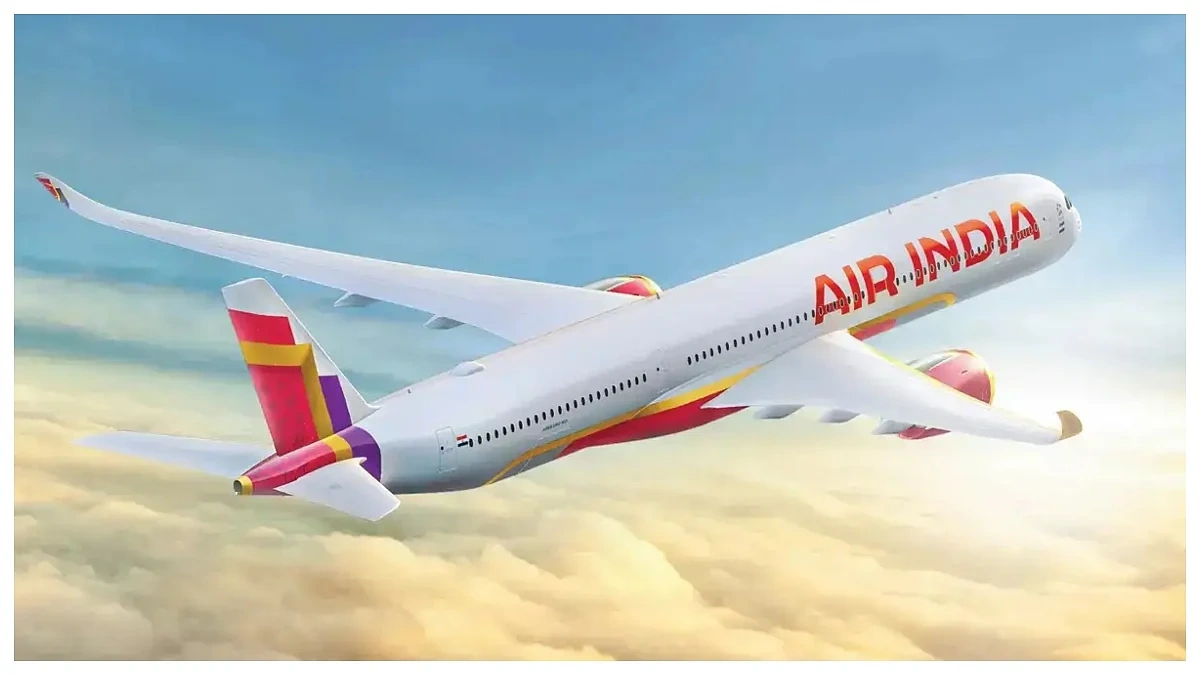
Air India, once the jewel of Indian aviation, finds itself at a fascinating crossroads. News swirling about a potential $1.1 billion funding injection from its parent, Tata Sons, and Singapore Airlines (SIA) has everyone talking. But here’s the thing: it’s not just about the money. It’s about why this infusion is happening and what it signals for the future of the airline – and indeed, the entire Indian aviation landscape.
Why Does Air India Need More Funding? The Deep Dive
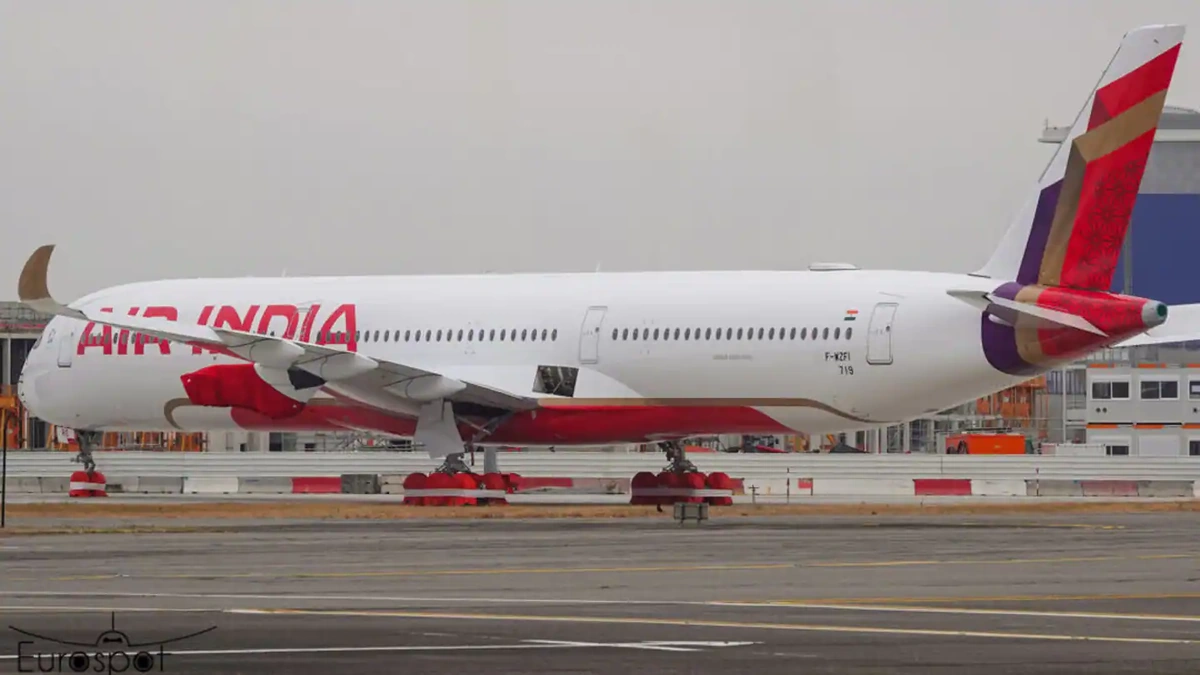
On the surface, a billion-dollar investment sounds impressive, right? But let’s peel back the layers. Air India is in the midst of a massive transformation plan, aiming to revamp everything from its aging fleet to its customer service. This isn’t just a fresh coat of paint; it’s a complete overhaul. And overhauls, as anyone who’s renovated a house knows, are expensive.
The airline is also grappling with legacy issues. Decades of government ownership left it saddled with debt and operational inefficiencies. Tata Sons inherited these challenges when they reacquired Air India, and they’re now working to turn the tide. Part of this effort includes expanding the airline’s route network, modernizing its aircraft, and improving its overall competitiveness. These are all critical investments that require substantial capital. What fascinates me is the sheer scale of ambition here. Tata isn’t just aiming to make Air India profitable; they’re trying to restore it to its former glory as a world-class airline.
So, the Air India funding will likely be used for a mix of debt repayment, operational improvements, and strategic investments. According to sources familiar with the matter, a significant portion could be earmarked for fleet expansion, with plans to acquire new, fuel-efficient aircraft that can operate long-haul routes more profitably. Of course, the infusion will also provide a much needed buffer as the airline navigates global economic uncertainties and the ever present threat of fuel price volatility.
Singapore Airlines’ Role | More Than Just a Silent Partner
Singapore Airlines’ involvement is particularly interesting. They already hold a minority stake in Air India through a joint venture called Vistara. This new funding round suggests that SIA is deeply committed to Air India’s success. Their expertise in airline management and operational excellence will be invaluable to the airline’s transformation.
And, it’s a strategic bet for SIA. The Indian aviation market is one of the fastest-growing in the world. A resurgent Air India, backed by the Tata Group and SIA, could become a major player in the region, giving SIA a stronger foothold in this lucrative market. So, it’s not just about helping Air India; it’s about securing SIA’s future in a vital market.
Let me rephrase that for clarity: SIA isn’t just throwing money at a problem. They’re investing in a long-term partnership that has the potential to reshape the aviation landscape in Asia. Their expertise in customer service, route optimization, and fleet management will be critical as Air India aims to regain its competitive edge.
What This Means for the Indian Traveler | A Glimmer of Hope
For Indian travelers, this funding news should be encouraging. A stronger, more competitive Air India could lead to lower fares, better service, and more convenient routes. As the airline modernizes its fleet and expands its network, travelers can expect a more comfortable and enjoyable flying experience. But there is also the point of accessibility as more and more indians are now seeking to experience internationaltravel.
Furthermore, a revitalized Air India could create more jobs in the aviation sector, boosting the Indian economy. And it could encourage other airlines to step up their game, leading to an overall improvement in the quality of air travel in India. What fascinates me is the potential for Air India to become a symbol of Indian pride once again – a carrier that represents the best of Indian hospitality and innovation.
The Challenges Ahead | Not a Smooth Flight
Of course, the road ahead won’t be without turbulence. Air India faces stiff competition from other airlines, both domestic and international. Operational efficiency needs to be significantly improved. The airline’s customer service reputation requires a complete turnaround. And integrating the cultures of Tata, SIA, and the existing Air India workforce will be a delicate balancing act.
But, with the right leadership, the right investments, and the right strategy, Air India can overcome these challenges. The Tata Group has a proven track record of turning around struggling businesses. Singapore Airlines is renowned for its operational excellence. And the Indian aviation market is ripe with opportunities.
So, while the airline industry always has it’s challenges, I have to say that the pieces are in place for Air India to soar once again. It won’t be easy, and it will take time, but this funding injection is a crucial step in the right direction.
The key here will be to ensure that the long term strategy is properly followed and that the airline keeps up with the pace of the latest technology, thus, enabling the airline to cut costs by improving on its operational efficieny. This will allow it to keep up with the growing market demands.
The Bottom Line | A Bet on India’s Future
This Air India investment is more than just a financial transaction; it’s a bet on India’s future. It’s a belief in the potential of the Indian aviation market. And it’s a commitment to restoring Air India to its rightful place among the world’s leading airlines. Let’s be honest, it will take a lot of hard work and a bit of luck, but this is a story worth watching closely. It’s a story about ambition, transformation, and the enduring spirit of Indian enterprise. It is also a testiment to the commitment of the Tata Group, showing their willingness to provide consistent financial assistance where necessary.
The one thing you absolutely must double-check when booking with Air India in the coming months is the aircraft type. Newer aircraft will offer a significantly better experience than the older ones. This is where you’ll see the immediate impact of the investment.
FAQ Section
What happens to my existing Air India miles?
Your Air India miles are safe. The airline is working to integrate its frequent flyer program with Tata’s other loyalty programs, potentially offering you even more benefits.
Will Air India fares go down because of this funding?
Potentially, yes. As the airline becomes more efficient and competitive, it may be able to offer lower fares on some routes. However, fares are also influenced by other factors, such as fuel prices and demand.
When will I see improvements in Air India’s service?
The improvements will be gradual. You can expect to see changes in customer service, onboard amenities, and route offerings over the next few years.
Is Air India a safe airline to fly?
Yes, Air India adheres to strict safety standards and regulations. The airline is committed to providing a safe and reliable flying experience.
How does this funding affect Vistara?
The long-term plan is to merge Vistara with Air India, creating a single, full-service airline. This funding will help facilitate that integration.
Ultimately, the Air India story is a reflection of India’s own journey – a blend of ambition, resilience, and a relentless pursuit of excellence. Keep an eye on this space; the next chapter promises to be even more exciting.