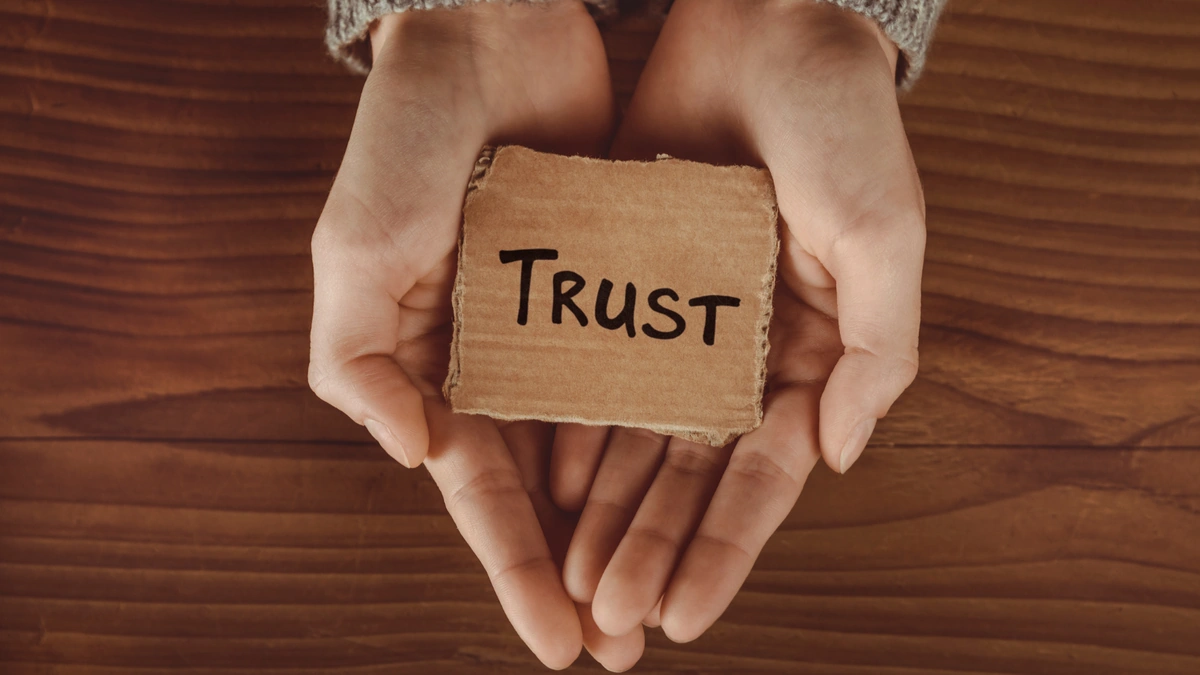
Let’s be honest, the news lately – it’s enough to make you question everything. Not just the headlines, but the very ground beneath our feet. We’re constantly bombarded with information, some of it factual, some of it… well, let’s just say it requires a hefty pinch of salt. This growing lack of trust isn’t just a feeling; it’s a real phenomenon with deep roots and potentially significant consequences, especially here in India. What fascinates me is how this skepticism permeates every aspect of our lives, from the government and the media to brands and even our neighbors.
The Eroding Foundation: Why Trust is Declining
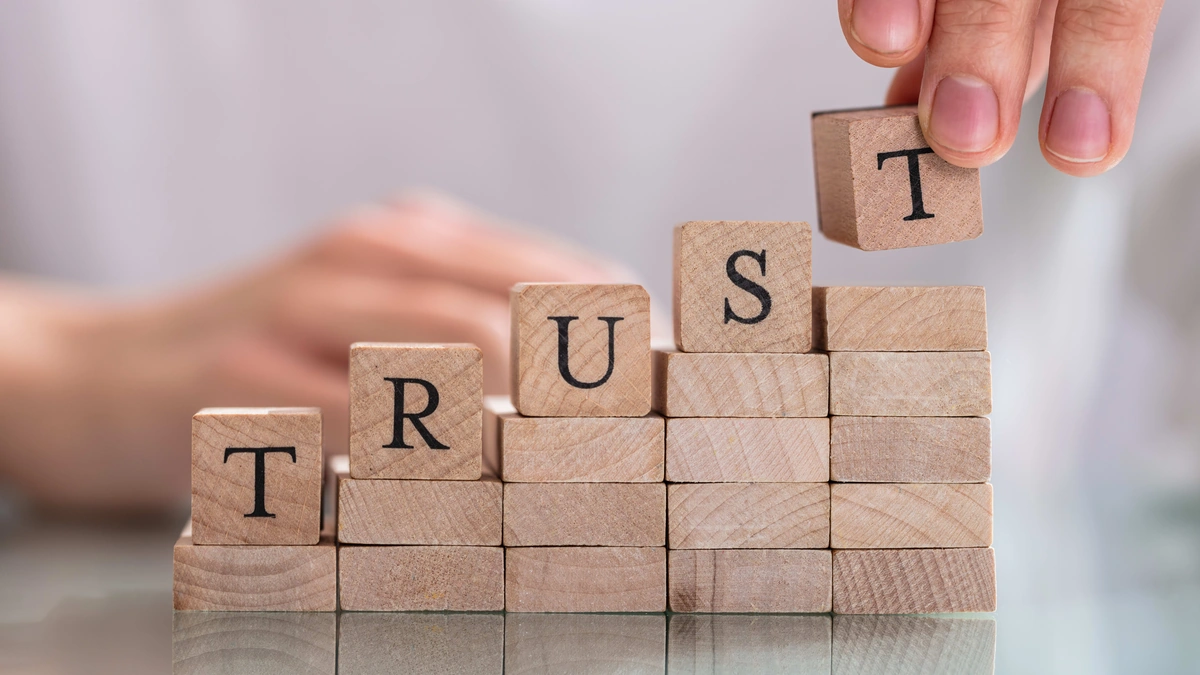
So, why is trust eroding? That’s the million-dollar question, isn’t it? I initially thought it was straightforward – blame the internet, blame social media. But then I realized it’s far more complex than that. One major factor is the sheer volume of information we’re exposed to daily. We are in the era of misinformation . It’s hard to know what’s real and what’s fake, which leads to cynicism. Political polarization plays a huge role. When people feel like they’re constantly being pitted against each other, it becomes harder to trust those on the other side. A common mistake I see people make is assuming that everyone shares their values and beliefs; this is rarely true, and when those assumptions are shattered, trust takes a hit.
The Impact on Our Daily Lives
What fascinates me is not just the ‘why’ but also the ‘how’ this erosion of trust affects us. It’s not some abstract concept; it impacts our everyday decisions. Consider this, are you more skeptical of the products you buy online? Do you find yourself questioning the motives of politicians more often? These are direct consequences of a society where trust is in short supply. Think about how it affects the economy. People may be less likely to invest, start businesses, or even make large purchases if they don’t trust the system. As per the guidelines mentioned in the information bulletin, the lack of trust can affect long term economic prospects. The fabric of our society relies on mutual trust . A community cannot thrive if its members are constantly suspicious of one another. This impacts everything from social cohesion to civic engagement.
Rebuilding Trust: A Path Forward
Okay, so we’ve painted a pretty grim picture. But here’s the thing – it’s not all doom and gloom. Rebuilding trust is possible. I initially thought this was an insurmountable task, but then I realized that it starts with small, individual actions. It starts with being more mindful of the information we consume and share. It means being more open to different perspectives and engaging in respectful dialogue, even when we disagree. It means holding our leaders and institutions accountable and demanding transparency. It also means practicing empathy and understanding. A common mistake I see people make is assuming bad faith on the part of others. Assuming positive intent can go a long way in fostering trust . What fascinates me is the power of local communities. When people come together to solve problems and build relationships, trust naturally grows. Check out mutual fund regulations on the LCT Result site.
The Role of Transparency and Authenticity
Transparency is essential for restoring trust . Institutions, whether they be government bodies, corporations, or media outlets, need to be more open about their processes and decision-making. Hiding information only breeds suspicion. Authenticity also plays a key role. People can spot a fake a mile away. Brands that try to appear ‘woke’ without genuinely supporting social causes often face backlash. The same goes for individuals. Being genuine and honest, even when it’s difficult, builds trust over time. According to the latest circular on the official NTA website (csirnet.nta.ac.in), authentic data must be provided to regain trust . Ultimately, rebuilding trust is a long-term project that requires a collective effort. But it’s a project worth undertaking. A society built on trust is a more resilient, prosperous, and fulfilling society for all. Consider this link from the LCT Result website: Sensex Today .
Looking Ahead | What the Future Holds
But, what does the future hold for trust ? Well, let me rephrase that for clarity… The future of trust depends on our collective actions today. If we continue down the path of polarization and misinformation, trust will continue to erode. But if we prioritize transparency, empathy, and accountability, we can build a more trusting world. It’s not going to be easy, but it’s absolutely essential. I initially thought this was an overly optimistic view, but then I realized that cynicism is a self-fulfilling prophecy. If we assume that everyone is out to deceive us, we’re less likely to trust anyone, and that makes it harder to build relationships and solve problems. Remember, you can check application verification details to promote more trust .
FAQ
What if I feel like I can’t trust anyone?
It’s understandable to feel that way in today’s world. Start by focusing on building trusting relationships with people you know personally. Seek out communities and organizations that share your values.
How can I tell if something I see online is true?
Be skeptical! Check multiple sources, look for evidence of bias, and be wary of sensational headlines.
What can I do to promote trust in my community?
Get involved! Volunteer your time, participate in local events, and engage in respectful dialogue with your neighbors.
Is it ever okay to blindly trust someone?
Blind trust can be risky. It’s important to assess people’s character and track record before placing too much trust in them.
How does trust affect businesses?
Customers are more likely to do business with companies they trust . Trust is essential for building brand loyalty and positive word-of-mouth.
What are the consequences of a society with low trust?
A society with low trust tends to be more divided, less prosperous, and less resilient. It’s harder to solve problems and build a strong community when people don’t trust each other.