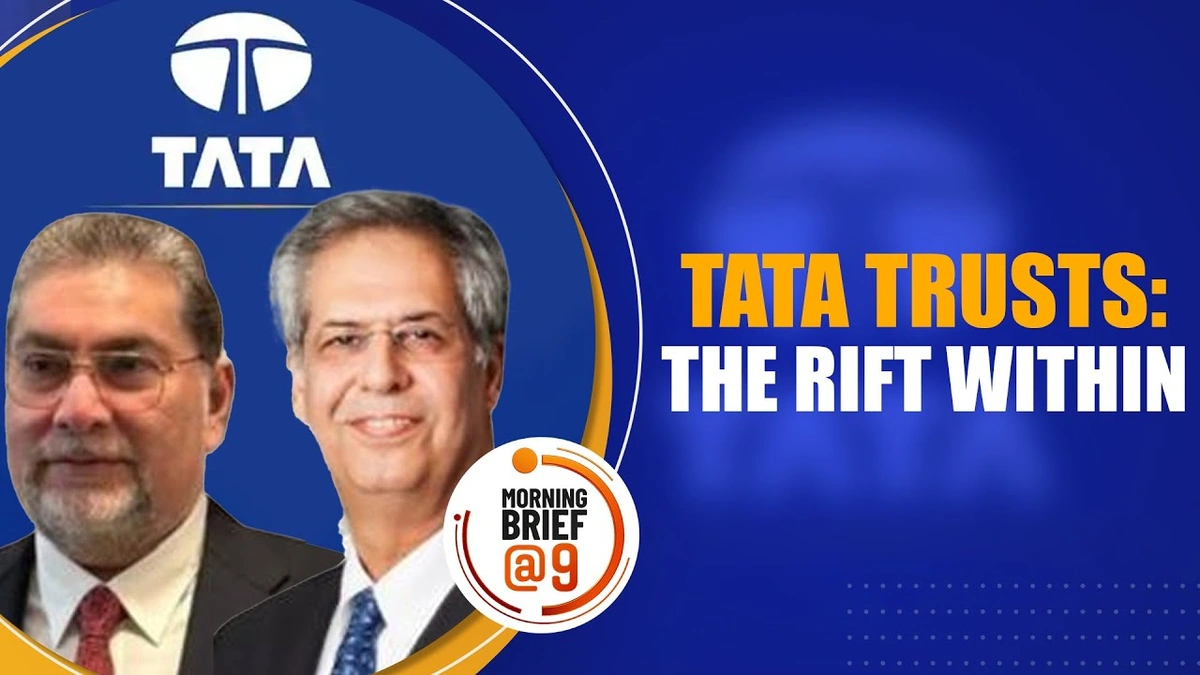
The world of philanthropy, especially when it involves names as significant as the Tatas, is rarely devoid of drama. And the recent buzz surrounding the Tata Trusts ? It’s not about charitable endeavors, but rather an internal tug-of-war. Specifically, it’s about Noel Tata’s group opposing the re-election of Mehli Mistry. What fascinates me is not just the clash of personalities, but the underlying currents that make this dispute significant. Let’s dive into why this seemingly internal matter has the potential to ripple far beyond the boardroom.
Why This Internal Dispute Matters
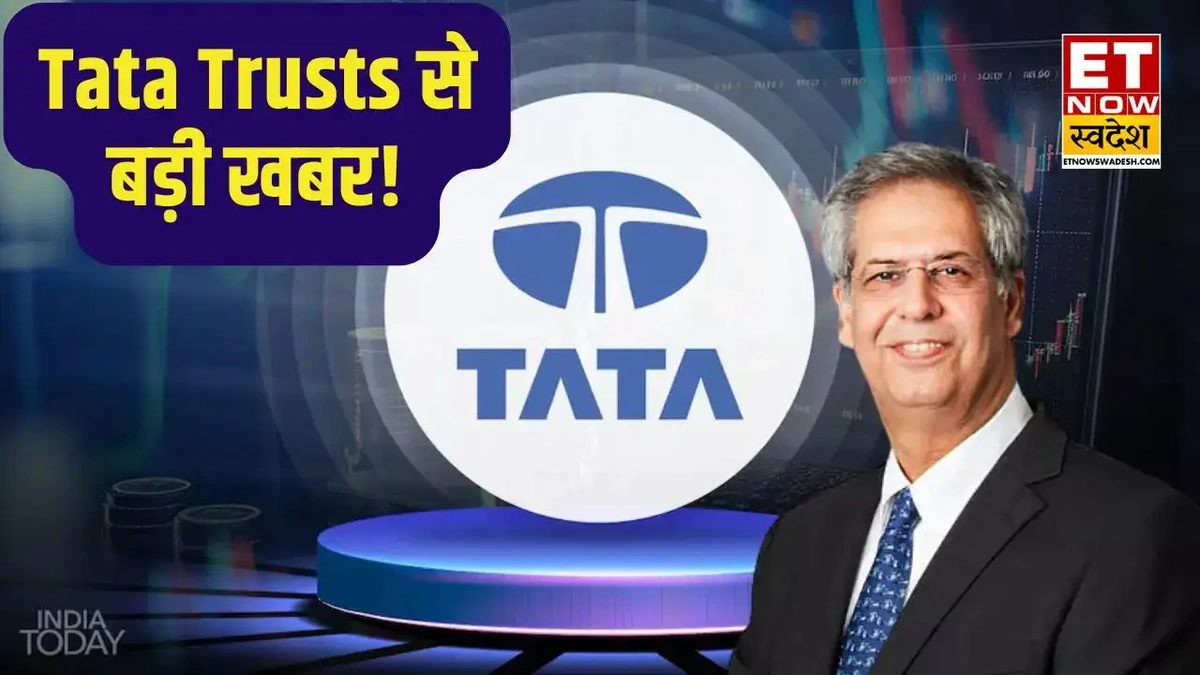
Here’s the thing: the Tata Trusts aren’t just any ordinary charity. They control a significant portion of Tata Sons, the holding company of the entire Tata Group. This gives the trusts immense power and influence, not just in philanthropic circles, but in the Indian economy as a whole. A shake-up within the trusts could therefore have profound implications. Consider the scale of their operations – from healthcare to education, their reach is vast. So, a disagreement over leadership isn’t just about personalities; it’s about the future direction of these massive philanthropic investments. As per the official data, the collective market value of companies, in which Tata Trusts hold stake, is worth over ₹ 12 lakh crore. The stakeholder interests are therefore humongous, and the decision on who gets to lead them is bound to be contentious.
Think of it like this: imagine a ship’s captain being challenged mid-voyage. The direction of the ship, its speed, and even its destination could all be altered. That’s essentially what’s at stake here. The “why” behind this dispute lies in the differing visions and approaches to philanthropy that Noel Tata and Mehli Mistry may represent. Without directly stating confidential information, it’s not absurd to think that this is a generational issue – the older guard versus the newer ideas.
The Key Players | Noel Tata and Mehli Mistry
To understand this situation, we need to understand the key players. Noel Tata, half-brother of Ratan Tata, has been steadily rising within the Tata Group, holding important positions across various Tata companies. Mehli Mistry, on the other hand, is considered a veteran within the Tata ecosystem, and has had a long association with the trusts. Knowing their backgrounds helps to understand potential fault lines. The corporate governance structure of Tata Trusts is quite unique, and therefore any shifts in power equations are bound to create news and curiosity in the power corridors.
The opposition to Mistry’s re-election suggests a potential difference in opinion on the future strategy of the trusts. Are they looking for more aggressive, impact-driven philanthropy? Or a more cautious, traditional approach? That’s the unspoken question hanging in the air. It’s a question of leadership style, vision, and ultimately, who gets to steer the ship.
What’s Next for Tata Trusts?
The immediate outcome of this internal dispute remains to be seen. Will Mehli Mistry be re-elected? Will Noel Tata’s group succeed in their opposition? Whatever the result, it’s likely to trigger further scrutiny of the Tata Trusts and their governance structure. As per sources, the decision could lead to significant changes in how the trusts operate and allocate their resources. It’s a pivotal moment that could reshape the landscape of Indian philanthropy. What I initially thought was a simple disagreement now appears to be a harbinger of more profound changes within the Tata Trusts . Learn more about Mistry’s previous challenges here .
And, this isn’t just about the Tata Trusts . It’s about the evolving nature of philanthropy in India. With increasing wealth and a growing awareness of social issues, the role of philanthropic organizations is becoming more critical than ever. This internal dispute serves as a reminder that even the most established institutions must adapt and evolve to remain relevant and effective.
Implications for the Tata Group and Beyond
The decisions made within the Tata Trusts inevitably impact the Tata Group. The trusts’ stake in Tata Sons means that their investment decisions, their philanthropic priorities, and their overall vision have a direct bearing on the group’s strategy and performance. A change in leadership within the trusts could therefore lead to shifts in the group’s priorities, investments, and even its ethical compass. The beneficiaries of philanthropic endeavors , should therefore keep a close watch on such changes.
But beyond the Tata Group, this dispute also raises broader questions about governance and transparency in Indian philanthropy. How are these large philanthropic organizations held accountable? How are their decisions made, and who gets to influence them? These are questions that need to be addressed to ensure that philanthropy in India remains effective and impactful.
According to a Wikipedia article , the Tata Trusts are amongst the oldest, and most respected philanthropic organizations in India. The recent events, therefore, are a cause for concern.
FAQ About the Tata Trusts Dispute
What exactly is the dispute about?
It’s about Noel Tata’s group opposing the re-election of Mehli Mistry to the Tata Trusts . This signals a potential disagreement over the leadership and future direction of the trusts.
Why is this dispute important?
The Tata Trusts control a significant portion of Tata Sons, making them influential in both philanthropy and the Indian economy. A leadership change could have far-reaching implications.
Who are the key players involved?
Noel Tata, half-brother of Ratan Tata, and Mehli Mistry, a veteran within the Tata ecosystem and the trusts, are the central figures in this dispute.
What could be the potential outcomes?
The outcome could lead to changes in how the Tata Trusts operate, allocate resources, and influence the Tata Group’s overall strategy.
Where can I find more official information?
Keep an eye on credible news sources and the official Tata Group website for updates. Remember that some details might remain confidential during the internal process.
Are there any regulations to ensure fairness?
Yes, all Trusts including Tata Trusts are bound by the guidelines and regulations set by the government, including the Income Tax Act. These regulations ensure compliance and ethical operations.
So, there you have it. The internal dispute at the Tata Trusts is more than just a boardroom battle. It’s a reflection of the evolving landscape of Indian philanthropy and the challenges faced by even the most established institutions. It’s a reminder that even in the world of good intentions, there can be profound disagreements about how best to achieve them. And that’s a story worth paying attention to. Find out how electricity tariff rates might be affected by such decisions .