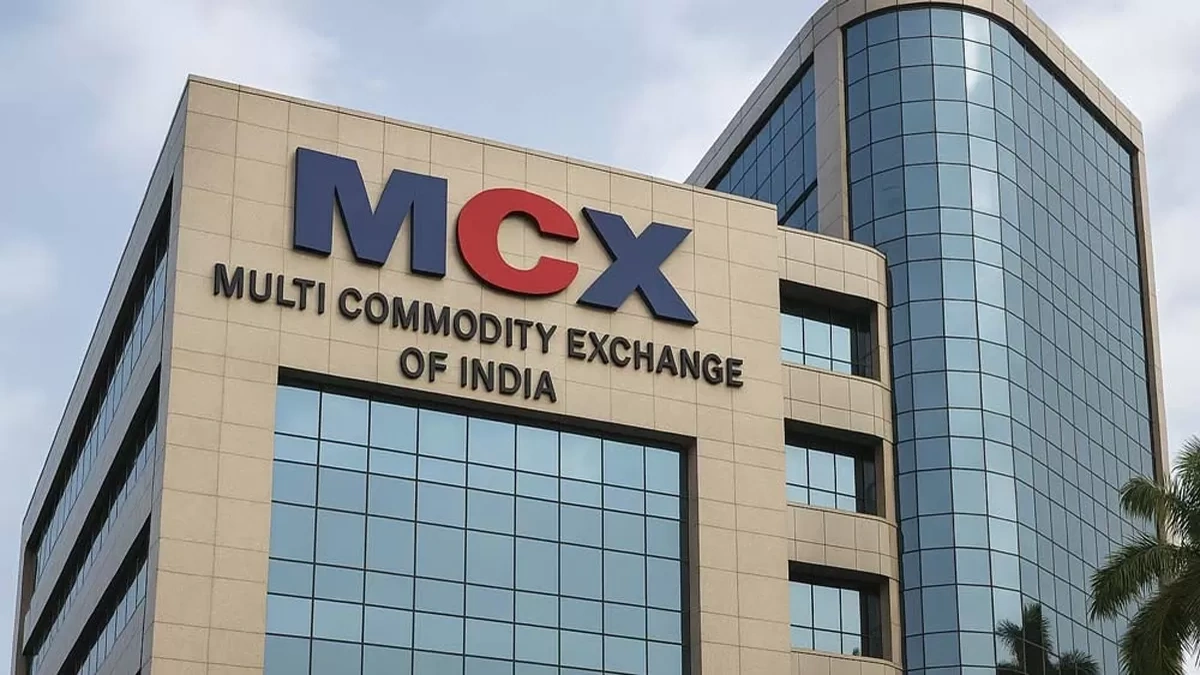
So, there’s a buzz around the MCX – the Multi Commodity Exchange of India. News broke about a trading glitch, and naturally, an investigation is now underway. But the question isn’t just what happened; it’s why it matters to you, to the average trader, to the Indian economy, and what we can learn from it. Let’s dive in, shall we? Here’s the thing, these things happen, but it’s how the exchange and regulators respond that really counts. And what does it even mean by investigating? It’s a deep dive into codes, servers, and maybe, just maybe, a little bit of human error. Buckle up.
Decoding the Glitch | What Really Happened at MCX?
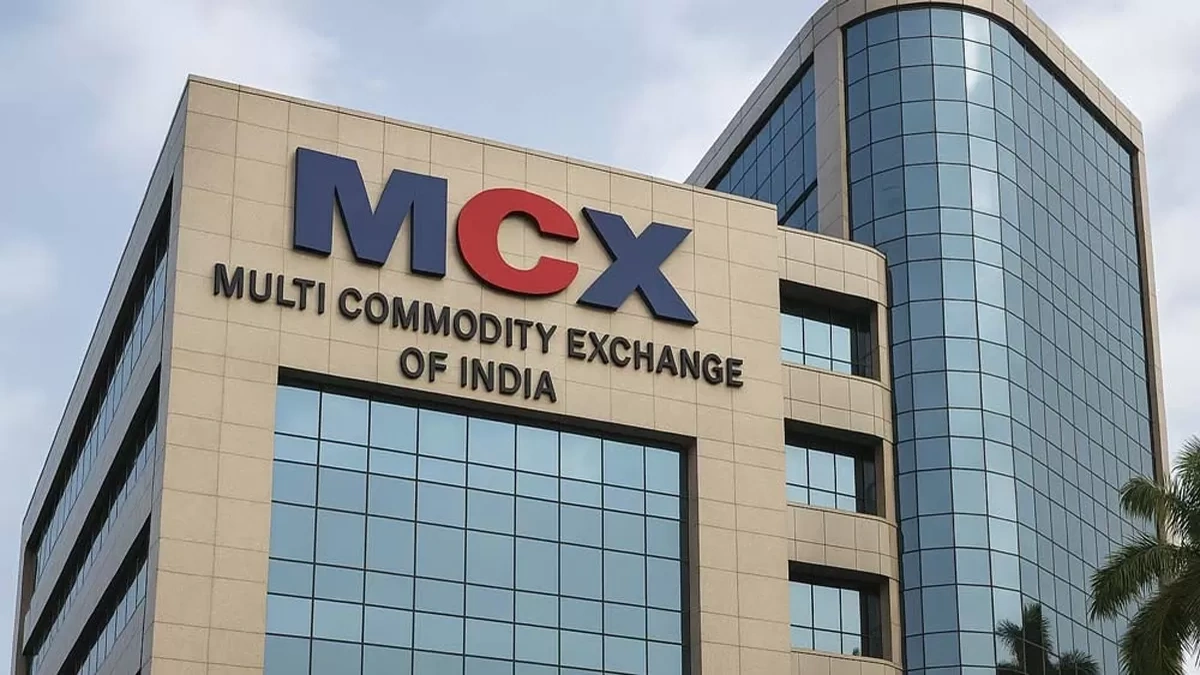
Okay, let’s break this down. A “glitch” can mean anything from a minor software bug to a full-blown system meltdown. Sources suggest (though official details are still emerging) that the glitch involved disruptions in order execution and data feeds. Now, this is crucial. If orders aren’t executed correctly or if market data is inaccurate, traders are flying blind. It’s like driving a car with a foggy windshield. You think you know where you’re going, but you’re really just guessing. What fascinates me is how quickly these things can cascade – a small initial problem can trigger a chain reaction that affects the entire market. Understanding the root cause – was it a cyber attack or a simple coding error – is paramount, as is risk management . After all, the commodity market needs to be protected.
Why This Matters to You (The Trader)
Here’s where it gets personal. If you’re trading on the MCX, even casually, this glitch could have directly affected your trades. Imagine placing an order at a specific price, only to see it executed at a completely different level – that’s a direct hit to your wallet. But even if you weren’t directly affected, this incident erodes trust. Trust is everything in the financial markets. If traders lose confidence in the reliability of the platform, they’ll take their money elsewhere. A common mistake I see people make is underestimating the impact of these “technical” issues. They think, “Oh, it’s just a computer problem.” But it’s much more than that. It’s about the integrity of the market, and the fairness of the game. The investigation is important. And, of course, the outcome will be public.
The Regulator’s Response | SEBI in the Spotlight
SEBI (Securities and Exchange Board of India) is the watchdog of the Indian financial markets. Their job is to ensure fair play and protect investors. When a glitch like this occurs, all eyes turn to SEBI. Will they conduct a thorough investigation? Will they impose penalties? Will they demand changes to the MCX’s systems? The answers to these questions will have a significant impact on the future of the exchange. I initially thought this was straightforward, but then I realized the investigation also acts as a deterrent for future instances. If SEBI comes down hard, other exchanges will take notice. If they let it slide, well, that sends a very different message. According to various news sources, SEBI is closely monitoring the situation and has already requested a detailed report from the MCX. A critical part of this will be trading platform security.
Lessons Learned | Preventing Future Glitches
Okay, so what can be done to prevent similar incidents in the future? Here are a few thoughts: First, robust testing and redundancy are crucial. The MCX needs to have multiple layers of backup systems to prevent a single point of failure. Second, cybersecurity is paramount. The exchange is a prime target for hackers, and they need to constantly upgrade their defenses. Third, transparency is key. The MCX needs to be open and honest about what happened and what steps they’re taking to prevent it from happening again. Fourth, proper risk assessment . And finally, let’s not forget the human element. Sometimes, the best technology in the world can be undone by a simple human error. Training, oversight, and clear procedures are essential. Market rallies can be affected by these glitches, so it is important to know the facts. As per industry standards, exchanges like the MCX should invest heavily in preventative measures.
The Broader Implications | India’s Commodity Market
The MCX is a vital part of India’s financial infrastructure. It’s where farmers hedge their crops, where jewelers buy gold, and where industries manage their raw material costs. A glitch on the MCX can have ripple effects throughout the economy. It can affect prices, disrupt supply chains, and undermine confidence in the Indian market. And in a world where everything is interconnected, it’s not just an Indian problem. Global investors are watching. They want to see that India has a stable and reliable financial system. So, this isn’t just about fixing a bug; it’s about safeguarding India’s economic future. Let me rephrase that for clarity: A stable MCX means a more stable Indian economy, and a more attractive destination for foreign investment. This relates to the future contracts available. Also, note the importance of commodity derivatives here.
FAQ | Your Burning Questions About the MCX Glitch
What caused the trading glitch on MCX?
The exact cause is still under investigation, but reports suggest issues with order execution and data feeds.
How will this impact my trading account?
If your trades were affected, you might have experienced unexpected execution prices. Contact your broker to inquire.
What is SEBI doing about this?
SEBI has requested a detailed report from MCX and is closely monitoring the situation.
How can I stay informed about the investigation’s progress?
Keep an eye on reputable financial news outlets and the official SEBI website.
Is my money safe on the MCX?
While glitches can be concerning, MCX is a regulated exchange. SEBI’s oversight aims to protect investors.
What are other exchanges doing?
Public listings on other exchanges might get affected depending on the outcome of the investigation on multi commodity exchange.
Ultimately, the MCX trading glitch investigation serves as a potent reminder of the intricate interplay between technology, regulation, and trust in the financial world. It’s not just a technical hiccup; it’s a stress test for the entire system. And how that system responds will determine its long-term health and resilience.