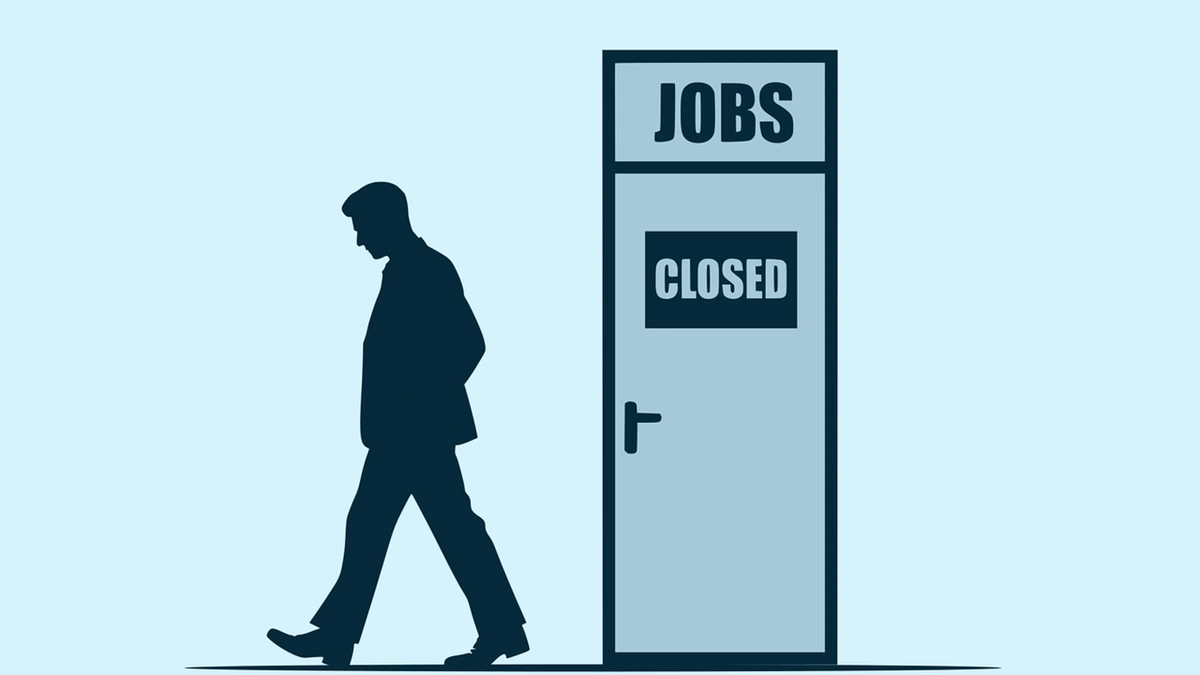
Here’s the thing: We’re living in a paradoxical world. Companies are scrambling to integrate AI, promising increased efficiency and cost savings. And yet… Amazon, a tech behemoth practically synonymous with innovation, is about to lay off 14,000 employees. What gives? Let’s dive deep into the ‘why’ behind this seemingly contradictory move.
The AI Paradox | Automation vs. Human Capital

The narrative we often hear is that AI will create more jobs than it destroys. But let’s be honest – that’s a long-term projection. Right now, in the short term, AI is a disruptive force. Companies are investing heavily in automation to streamline operations, reduce errors, and ultimately, cut costs. This often translates to a reduced need for human employees, particularly in roles that can be easily automated. I initially thought that these tech layoffs would slow down, but then I realized companies are aggressively optimizing for an AI-driven future, and that optimization unfortunately impacts the workforce. This is particularly true for a company like Amazon, which has made massive investments in AI and machine learning across its various divisions.
But, it’s not just about replacing humans with robots. It’s about re-evaluating entire business models. The pandemic-fueled e-commerce boom has cooled down, and Amazon is facing increased scrutiny over its profitability. This external pressure, combined with the internal drive for efficiency through AI, has created the perfect storm for these massive layoffs. As reported by Reuters , this is one of the largest workforce reductions in the company’s history.
Decoding Amazon’s Strategy | More Than Just Cost Cutting
While cost cutting is definitely a major driver, it’s not the whole story. Amazon is also strategically shifting its focus and resources. They are likely re-allocating investments from less profitable areas to high-growth areas like cloud computing (AWS) and AI-powered services. This move requires a specific skill set, potentially leading to the dismissal of employees whose skills don’t align with the company’s future direction. What fascinates me is that Amazon’s also using this as an opportunity to streamline their organization. Remember the explosive growth they experienced? It led to some redundancies and inefficiencies that are now being addressed.
The sectors most affected by these Amazon layoffs include Amazon’s devices organization (think Echo, Kindle), retail, and HR. These are areas where AI and automation can have a significant impact on reducing operational costs and optimizing processes. And this isn’t just an Amazon-specific phenomenon, but a reflection of the broader economic downturn , as a shift in strategies.
The Human Cost | Beyond the Headlines
Let’s not forget the human cost of these decisions. Behind every layoff is a real person, with real families and real financial concerns. The anxiety and uncertainty that these employees are facing right now is immense. It’s easy to get caught up in the numbers and the corporate strategy, but we need to remember the individual stories. A common mistake I see people make is underestimating the emotional toll that such events can take. The one thing you absolutely must remember is that it’s crucial to approach the job hunt again as soon as possible.
The news is particularly concerning in India, where many skilled workers have been employed by Amazon. The potential impact on the Indian IT sector and the overall economy shouldn’t be underestimated. These job losses can have ripple effects, impacting not only the affected employees but also their families and communities.
Navigating the Future | Skills for the AI Era
So, what can we learn from this situation? One key takeaway is the importance of continuous learning and adaptation. The job market is constantly evolving, and the skills that are in demand today may not be relevant tomorrow. Employees need to proactively invest in developing skills that are complementary to AI, such as critical thinking, problem-solving, creativity, and emotional intelligence.
Moreover, individuals need to build a stronger safety net for themselves by building multiple income streams. As per the guidelines, it’s very important to enhance existing skills, and proactively adapt to this rapidly changing job market. According to sources like Simplilearn , focusing on fields like data science, AI development, and cybersecurity are some of the most suitable skill investments to make.
Let me rephrase that for clarity: It’s not about competing with AI, but about working alongside it. It’s about leveraging AI to enhance your own capabilities and create new opportunities.
The Broader Implications | A Wake-Up Call for the Tech Industry
These layoffs serve as a wake-up call for the entire tech industry. They highlight the need for companies to prioritize responsible innovation, ensuring that the benefits of AI are shared more broadly. It’s crucial to invest in retraining and upskilling programs for employees who are displaced by automation. Additionally, governments and policymakers need to proactively address the potential social and economic consequences of widespread AI adoption.
The situation also sheds light on the intense competitive landscape among tech giants, pushing them to constantly innovate and optimize, sometimes at the expense of their workforce. Remember, the pursuit of profit shouldn’t come at the cost of human dignity and well-being. And, as TCS invests in AI , so do other companies to optimize their spending.
FAQ
Frequently Asked Questions
What exactly are LSI Keywords?
LSI keywords are terms related to your main keyword that help search engines understand the context of your content better. For instance, related keywords to ‘layoffs’ can be ‘job losses’, ‘economic downturn’, ‘cost cutting’, etc.
Why are companies doing layoffs despite AI advancements?
Companies are restructuring to focus on AI, automation, and other related advancements. In this process, many roles are getting eliminated.
How can employees safeguard themselves from future layoffs?
Constantly upgrade your skills, especially in fields like AI, machine learning, and data science. Also, try to develop skills that AI cannot replace, such as critical thinking and emotional intelligence.
What is the role of AI in current layoffs?
AI is facilitating automation, reducing the need for many jobs. This makes companies lay off employees for the sake of cutting costs.
Is it really an economical crisis?
This is certainly a strong economical downfall for the employees.
What should I do next, if I’m laid off?
Polish your resume, network with professional contacts, and aggressively apply to open positions to get back on track.
In conclusion, the story of Amazon’s layoffs amidst AI advancements is a complex one, filled with contradictions and challenges. But it also presents an opportunity for us to rethink our relationship with technology and to build a more equitable and sustainable future of work.