Alright, let’s dive into this whole “Trump’s Tariff Threat Against China” thing. I know, I know tariffs . Your eyes probably glazed over just reading the word. But here’s the thing: this isn’t some boring economics lecture. This is about your pocketbook, the stuff you buy every day, and potentially, the future of India’s relationship with two global giants.
I get it. When we hear about trade wars, it feels like it’s happening a million miles away. But trust me, the ripples from this could reach your kitchen table faster than you think.
Why Trump’s Tariff Tantrum Matters (And It’s Not Just About Him)
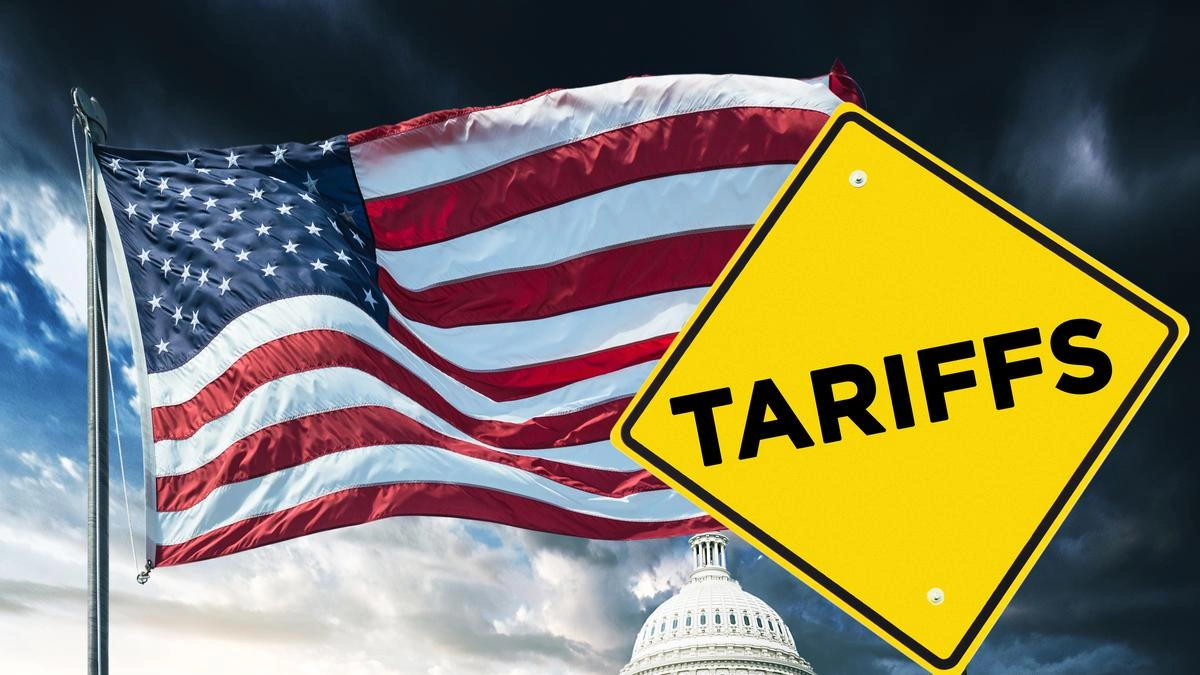
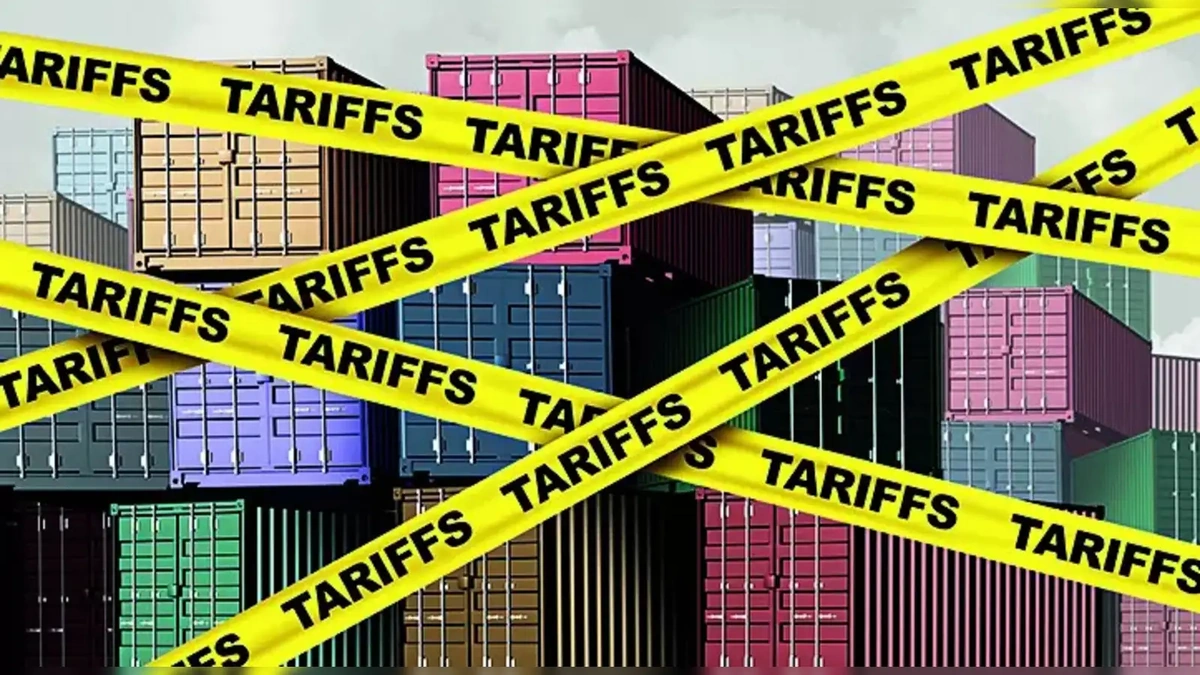
So, what exactly are tariffs ? Simply put, they’re taxes on imported goods. Think of it like this: China makes a widget, ships it to the U.S., and the U.S. slaps a tax on it before it can be sold. Trump, during his presidency, threatened and sometimes imposed these tariffs on a wide range of Chinese products. Why? Well, officially, it was about reducing the trade deficit, protecting American jobs, and forcing China to play fair on intellectual property. Beneath the surface, it was a chess game of global power and economic dominance. According to theWorld Trade Organization, these tariffs are a deviation from typical trade relations.
But here’s the thing: those tariffs didn’t just hurt Chinese companies. American businesses that relied on cheap Chinese imports also took a hit. And guess who ultimately pays the price? You and me. Increased costs get passed down to consumers in the form of higher prices for everything from electronics to clothing.
The Domino Effect | How Tariffs Impact India
Now, you might be thinking, “Okay, that’s America and China. What’s it got to do with me?” Well, everything is interconnected in today’s global economy. When the U.S. and China, the world’s two largest economies, start throwing punches, everyone feels it.
India, for instance, has a complex relationship with both countries. We import a lot of stuff from China – everything from electronics components to active pharmaceutical ingredients (APIs) for our vital drug industry. If those Chinese goods become more expensive because of U.S. tariffs, Indian companies might look for alternatives. That could mean turning to domestic suppliers (good news!) or finding new sources in other countries.
And here’s where it gets interesting. The shift in global trade flows caused by tariffs could create opportunities for Indian exporters. If Chinese goods are too expensive for the U.S. market, Indian companies could step in to fill the gap. Think textiles, auto parts, even certain types of machinery. It’s a chance for India to boost its manufacturing sector and become a bigger player in the global economy. Trade relations are constantly changing and countries have to change with them.
Beyond the Headlines | What’s the Real Endgame?
Let’s be honest, trade wars aren’t really about trade. They’re about power, influence, and setting the rules of the game for the 21st century. Trump’s tariff policy against China was a way to challenge China’s growing economic power and to push them to change their trade practices. Did it work? That’s debatable. Some argue it brought China to the negotiating table, while others say it just damaged the global economy and created uncertainty.
The long-term implications are even bigger. The trade war accelerated the trend of companies diversifying their supply chains – moving production out of China to other countries like Vietnam, India, and Mexico. This could lead to a more multipolar world, where economic power is more distributed.
Navigating the Tariff Terrain | What Can India Do?
So, what’s the smart move for India in all this? Here’s my take:
First, we need to be nimble. The global trade landscape is shifting rapidly, and India needs to be ready to adapt. That means investing in infrastructure, streamlining regulations, and making it easier for businesses to export.
Second, we need to focus on building our own strengths. Instead of just trying to replace Chinese exports, we should focus on developing our own competitive advantages – in areas like technology, innovation, and skilled labor.
Third, we need to play a smart diplomatic game. India has good relations with both the U.S. and China, and we can use that to our advantage. We can be a voice for stability and cooperation in a world that’s increasingly polarized.
Tariffs and the Future of Global Trade
Look, tariffs aren’t going away anytime soon. They’re a tool that countries will continue to use to protect their interests and exert influence. The key is to understand how they work, how they impact the global economy, and how India can navigate this complex landscape to its advantage. What fascinates me is how reactive international trade is and how many different directions it can take.
This isn’t just about economics; it’s about strategy, resilience, and shaping India’s role in the world. And that’s something we should all be paying attention to. Here is a link to another article you may be interested in.
FAQ About Trump’s Tariffs
What exactly is a trade war?
A trade war is when countries impose tariffs or other trade barriers on each other in retaliation for perceived unfair trade practices.
How do tariffs affect consumers?
Tariffs generally lead to higher prices for consumers as the cost of imported goods increases.
Can tariffs actually help a country’s economy?
In some cases, tariffs can protect domestic industries, but they can also harm other sectors that rely on imported goods and lead to retaliatory measures from other countries. Economic impact is one thing to consider with tariffs.
What’s India’s stance on the U.S.-China trade war?
India has tried to remain neutral, seeking to maintain good relations with both countries and explore opportunities arising from the trade tensions.
Are tariffs a permanent thing?
Tariffs can be temporary or permanent, depending on the political and economic circumstances. They’re often used as negotiating tools.
What are the alternatives to tariffs?
Alternatives include negotiations, trade agreements, and dispute resolution mechanisms through organizations like the World Trade Organization (WTO). These global economies are always in motion.