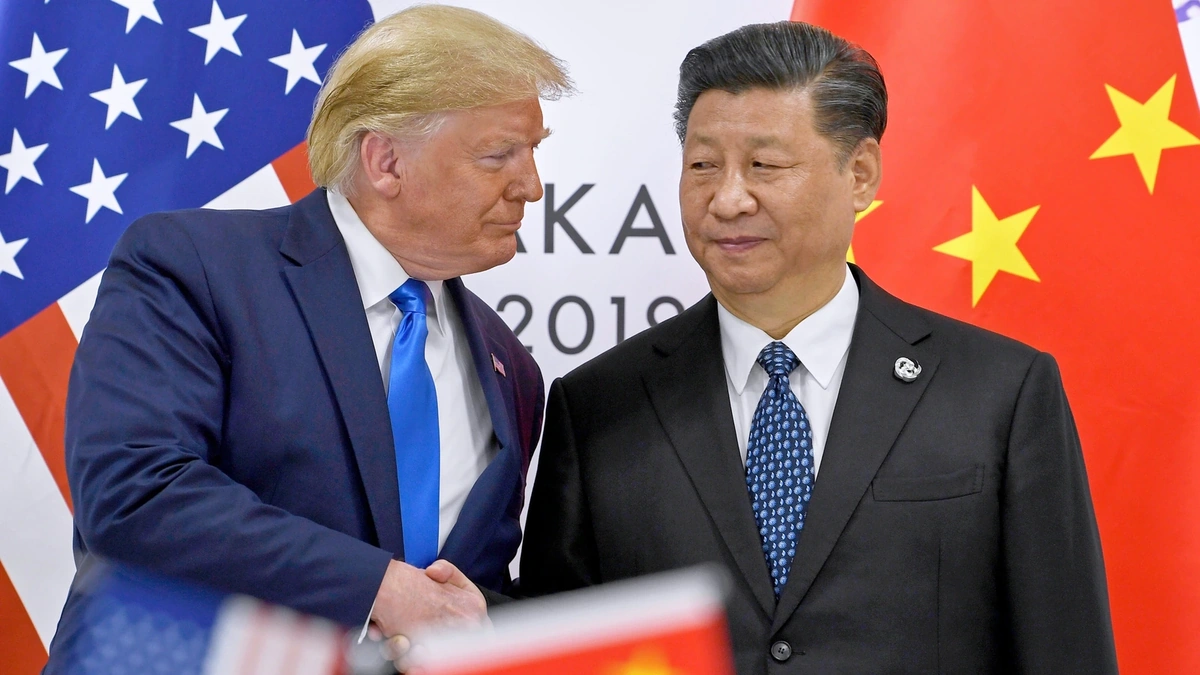
So, Trump’s at it again. Just when things seemed, well, not good, but at least predictably tense between the U.S. and China, he throws a curveball: threatening to cancel a potential meeting with Xi Jinping and hinting at more tariffs over China’s export limits. This isn’t just news; it’s a chess move or maybe a game of poker where everyone’s bluffing. But what does it really mean for India? That’s what we need to figure out. Let’s be honest, global trade wars aren’t just headlines; they’re felt in the price of electronics, the availability of certain goods, and even the investment climate.
Why This Matters to India | Beyond the Headlines
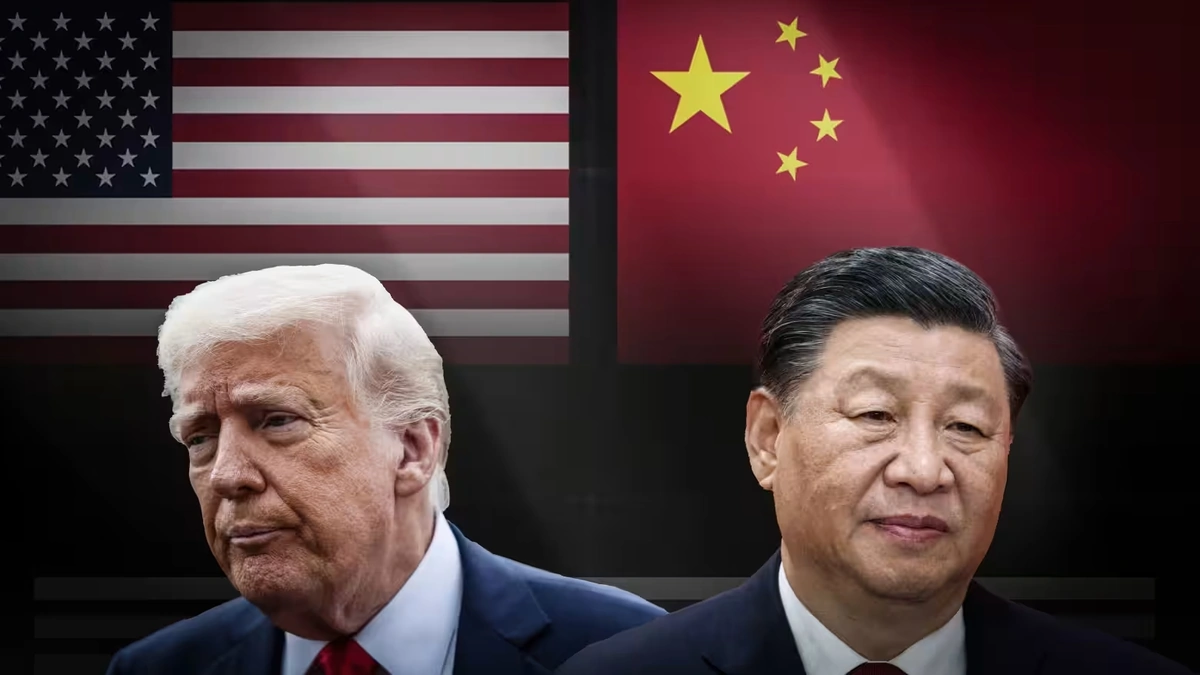
Here’s the thing: India sits in a rather unique position amidst all this. On one hand, any disruption to global trade impacts everyone. Increased tariffs on Chinese goods by the U.S. could mean those goods flood other markets, potentially undercutting Indian manufacturers. Trump-Xi tensions impact global supply chains. But, and this is a big but, it also presents opportunities. If companies are looking to diversify away from China, India becomes an increasingly attractive alternative. The question is, can India capitalize?
Think about it. India has a massive and growing domestic market, a relatively young workforce, and a government that’s actively pushing for manufacturing growth through initiatives like “Make in India.” But, translating that potential into reality requires overcoming significant hurdles – infrastructure bottlenecks, regulatory complexities, and the need for a more skilled labor force.
What fascinates me is how this plays into the broader geopolitical game. The U.S. sees India as a key counterweight to China’s growing influence in the region. But that doesn’t mean India can simply align itself with the U.S. on every issue. India has its own strategic interests, its own relationships with other countries, and its own economic priorities. Walking that tightrope is going to be crucial.
Decoding Trump’s Strategy | More Than Just Tariffs
Is Trump really going to cancel the meeting with Xi? Maybe. Maybe not. It could be a negotiating tactic. A way to put pressure on China to concede on key issues like intellectual property theft, trade imbalances, and, yes, export limits. Trade negotiations are always complex. It’s all a game of leverage. The threat of tariffs is a tool, and Trump has never been shy about using it.
But let’s not forget the domestic political context. Trump faces an election year. A tough stance on China plays well with certain segments of the American electorate. It’s a way to project strength, to show that he’s fighting for American jobs and American interests. The risk, of course, is that it could backfire, leading to a full-blown trade war that hurts everyone.
And let’s not forget that China isn’t exactly sitting still. They’re actively pursuing their own trade deals, strengthening ties with other countries, and investing heavily in technologies like AI and renewable energy. The U.S. – China trade war is not just about tariffs; it’s about technological dominance, geopolitical influence, and the future of the global order.
India’s Playbook | Navigating the Shifting Sands
So, what should India do? That’s the million-dollar question, isn’t it? Here’s my take. First, India needs to focus on strengthening its own economic fundamentals. That means investing in infrastructure, streamlining regulations, and improving the skills of its workforce. Better infrastructure can attract more foreign investment.
Second, India needs to actively diversify its trade relationships. Relying too heavily on any one country, whether it’s the U.S. or China, is a recipe for vulnerability. Exploring opportunities with other countries in Asia, Africa, and Latin America is essential.
Third, India needs to play a smart diplomatic game. It needs to maintain a good working relationship with both the U.S. and China, while also pursuing its own strategic interests. That requires a delicate balancing act, but it’s crucial for navigating this complex geopolitical landscape. According to reports, India’s economy is projected to grow, making it an attractive market for investment.
What fascinates me is how this situation is forcing India to become more self-reliant. The mantra of “Atmanirbhar Bharat” (Self-Reliant India) is more relevant than ever. It’s about building a strong, resilient economy that can withstand global shocks and compete on the world stage. This approach requires a long-term vision and a willingness to embrace innovation. India’s export strategy should focus on high-value goods.
The Bottom Line | Opportunity in Uncertainty
Let’s be honest; the situation is complex and uncertain. Predicting the future is a fool’s game. But here’s what I believe: amidst all the chaos and uncertainty, there’s also opportunity. For India, this is a chance to step up, to assert its role as a major player on the global stage, and to build a more prosperous and resilient future for its people.
The global economy is constantly evolving. It requires adaptability. It’s not going to be easy, and there will be challenges along the way. But if India plays its cards right, it can emerge stronger and more prosperous than ever before. The alternative? Stagnation and missed opportunities. I, for one, am betting on India’s potential. To succeed, India must address supply chain issues .
And it all hinges on understanding not just the news headlines about Trump and Xi, but the why behind them. Understanding the motivations, the strategies, and the long-term implications. Only then can India truly navigate these shifting sands and chart its own course. It’s all about strategic thinking, isn’t it?
One common mistake I see is people focusing too much on the short-term fluctuations of the market and not enough on the long-term trends. Long-term trends are what truly matter.
FAQ | Understanding the Trump-Xi Impact on India
Will increased tariffs on Chinese goods benefit Indian manufacturers?
Potentially, yes. If tariffs make Chinese goods more expensive, Indian manufacturers could become more competitive. However, it depends on whether they can scale up production and meet the demand.
How will the U.S.-China trade war affect the Indian stock market?
The trade war can create volatility in the Indian stock market, as global investors react to changing trade dynamics. However, it can also present opportunities for Indian companies to attract investment.
What if Trump cancels the meeting with Xi?
It would likely increase uncertainty and potentially escalate tensions. This could lead to further disruptions in global trade and investment flows. India will need to adapt its strategy accordingly. The meeting cancellation would signal further trade disputes.
What are the key sectors in India that could benefit from this situation?
Sectors like electronics, textiles, and pharmaceuticals could potentially benefit, as companies look to diversify their supply chains away from China.
How can Indian businesses prepare for potential disruptions?
By diversifying their supply chains, investing in technology, and focusing on innovation. They should also monitor the situation closely and adapt their strategies as needed.
My final thought? Don’t just watch the news; analyze it. Understand the deeper currents, and position yourself to take advantage of the opportunities that arise. Because in a world of constant change, the only constant is the need to adapt and evolve. The geopolitical landscape is ever-changing.