The news is out: Shapoorji Pallonji Mistry group, one of the largest shareholders in Tata Sons, has been advocating for a public listing of the conglomerate. Now, you might be thinking, “Okay, so what?” But here’s the thing – this isn’t just another boardroom squabble. It’s a potentially seismic shift that could impact Indian markets, corporate governance, and even your own investment portfolio. Let’s dive into the why behind this push for a Tata Sons initial public offering (IPO). And let me tell you, there’s more to it than meets the eye.
Why a Tata Sons Listing is a Big Deal
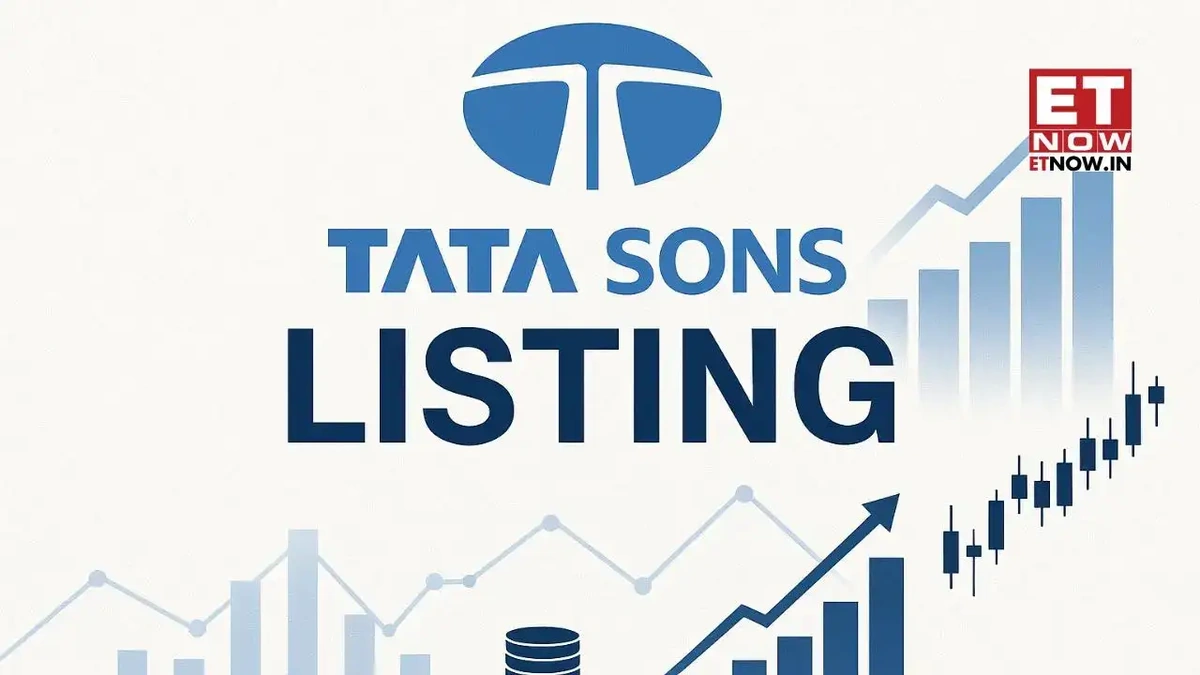
Think of Tata Sons as the mothership. It holds stakes in nearly all the major Tata Group companies – TCS, Tata Motors, Tata Steel, you name it. It’s the non-banking financial institution that controls the direction and strategy of this massive empire. A public listing means opening up the company’s books, its decision-making processes, and its overall governance to public scrutiny. For a group that has historically valued its privacy (and a certain degree of control), this is a major turning point. The reason for urging a Tata Sons public listing is to bring in transparency. So, the real question is: Why now?
Well, the Mistry family and Tata Group have been locked in a long-running legal battle following Cyrus Mistry’s ouster from the chairman position. The Mistry group has consistently argued for better governance and more transparency within Tata Sons. A public listing, they believe, would force the issue. It would create a system of checks and balances, making it harder for any one individual or group to exert undue influence. It’s a move towards greater accountability, and let’s be honest, that’s something many investors would welcome.
The Potential Benefits of Transparency
What fascinates me is the potential ripple effect this could have. Increased transparency at Tata Sons could lead to better decision-making, improved risk management, and ultimately, greater value for shareholders across the entire Tata Group . Think about it: when a company is forced to be more open about its operations, it’s less likely to engage in shady practices. This, in turn, can boost investor confidence and attract more capital. But transparency also has its downsides. Opening up the books means competitors get a closer look, and the company loses some of its strategic flexibility.
And, with Tata Sons governance issues being a core issue of the dispute, this move can offer the much-needed answer. According to reports, the SP group sees the listing as a way to improve corporate governance. In addition, a Tata Sons stake valuation can be accurately determined to ensure fair deals.
Navigating Trustee Disputes with Openness
The crux of the matter lies in these trustee disputes. When the ownership structure is opaque, disagreements can quickly escalate into legal battles. A public listing, by its very nature, diffuses ownership. It introduces a wider range of stakeholders, each with their own vested interests. This can make it harder for any one party to dominate the decision-making process and helps to bring an end to any further ownership disputes. It promotes balance and makes the process more fair. I initially thought this was a purely financial maneuver, but then I realized it’s also about power and control. It’s about shifting the balance of power within one of India’s most influential companies.
Challenges and Considerations for a Potential IPO
Of course, an IPO of this magnitude wouldn’t be without its challenges. Valuing Tata Sons , given its complex web of investments, would be a Herculean task. The group would also need to navigate regulatory hurdles, address concerns about potential conflicts of interest, and convince investors that it’s committed to long-term value creation. Plus, there’s the question of timing. Market conditions, investor sentiment, and the overall economic outlook would all need to be carefully considered.
A common mistake I see people make is thinking that a public listing is always a good thing. It’s not. It comes with its own set of pressures and responsibilities. But in this particular case, given the history of disputes and the need for greater transparency, it could be a net positive.
The Future of Tata Sons and Indian Corporate Governance
So, what does all of this mean for the future of Tata Sons and Indian corporate governance? Well, it’s hard to say for sure. But one thing is clear: this push for a public listing is a sign that things are changing. The old ways of doing business – behind closed doors, with limited accountability – are increasingly under pressure. Investors are demanding more transparency, more governance, and more say in how their companies are run. And that, in the long run, is a good thing for everyone. It means more sustainable businesses, more responsible leadership, and a more equitable distribution of wealth.
As per the recent reports, Tata Sons IPOcan potentially change the landscape of Indian stock market. It also has the potential to provide a massive exit opportunity for the minority shareholders, including SP group, according to sources. But, this may not be an easy journey, as there may be disagreement from within the group.
FAQ
Frequently Asked Questions
Why is Shapoorji Pallonji Mistry Group pushing for a public listing of Tata Sons?
They believe it will enhance transparency and resolve governance issues during trustee disputes.
What are the potential benefits of Tata Sons going public?
Improved transparency, better decision-making, and increased value for shareholders are some potential benefits.
What challenges might Tata Sons face during an IPO?
Valuing the company, navigating regulatory hurdles, and convincing investors are key challenges.
How could a public listing impact trustee disputes?
It diffuses ownership, making it harder for one party to dominate decision-making.
What does this mean for Indian corporate governance?
It signals a shift towards greater transparency and accountability in Indian businesses.
What is Tata Sons stake valuation?
SP Group feels that listing can offer fair deals in stake valuation