The whispers have been going around for years, haven’t they? Tata Sons, the holding company of the Tata Group, potentially going public. It’s a move that could reshape the Indian stock market and, frankly, the investment landscape for years to come. But Tata Sons listing is no easy task, as Shapoorji Pallonji Group is increasing the pressure for the move. So, why is this happening now? And what does it really mean for you, the average investor in India? Let’s dive in, shall we?
The “Why Now?” Behind the IPO Push
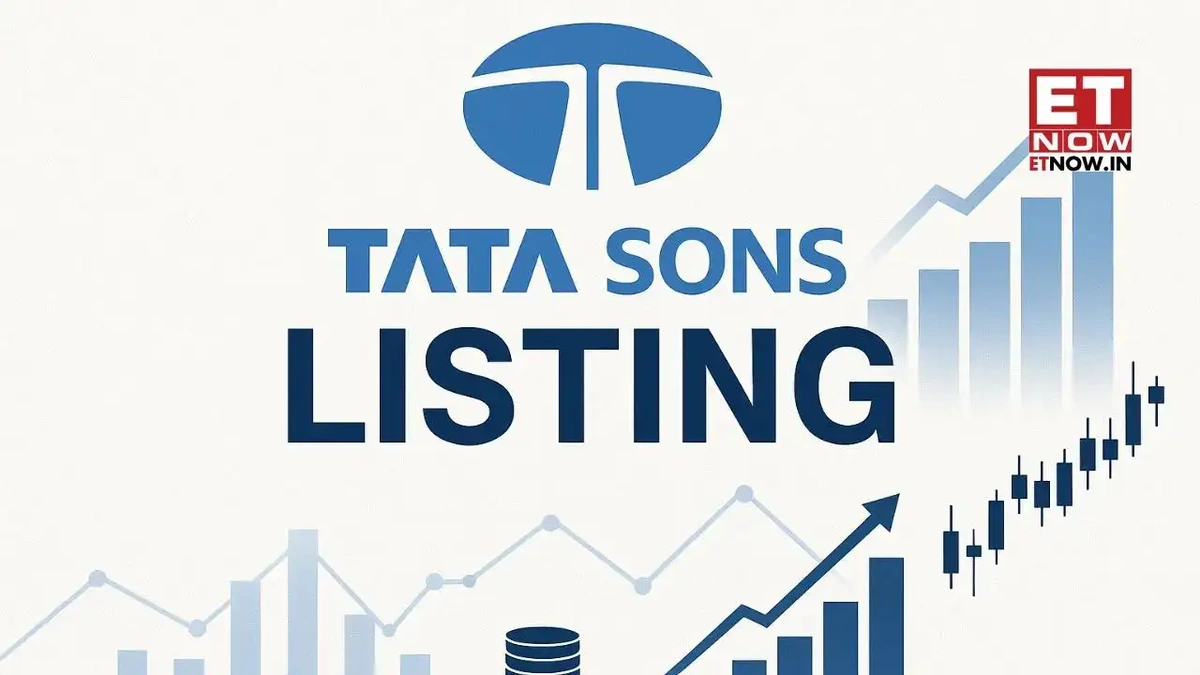
Here’s the thing: the relationship between Tata Sons and the Shapoorji Pallonji (SP) Group, one of the largest shareholders in Tata Sons, has been, shall we say, complicated. After a very public parting of ways a while back, SP Group has been looking for ways to unlock value from its stake. An IPO – Initial Public Offering – is the obvious route. They want their money, and an IPO is the way to (potentially) make that happen.
But it’s not that simple. Tata Sons is not your average company. It holds stakes in a vast empire of businesses, from TCS (Tata Consultancy Services) to Tata Steel and Tata Motors. Unraveling that web for a public listing is a Herculean task. What fascinates me is the sheer scale of the operation. The potential valuation? Astronomical. The regulatory hurdles? Enormous. The impact on the Indian economy? Potentially game-changing. According to various reports, the SP Group needs funds to pare its debt, and a Tata Sons listing offers an exit route.
The Implications for Investors Like You
Okay, let’s get real. What does this mean for you? A Tata Sons IPO would be a massive event, drawing in investors from all corners of the globe. It would offer an opportunity to own a piece of one of India’s most respected and iconic conglomerates. But – and this is a big but – it also comes with risks. Valuing a company as complex as Tata Sons is no easy feat.
A common mistake I see people make is jumping into an IPO frenzy without doing their homework. Market capitalization is crucial for a company such as Tata Sons, so investors should analyze the situation closely. Before you even think about investing, consider your risk tolerance, your investment horizon, and your overall financial goals. Is this a long-term play for you, or are you hoping to make a quick buck? What’s the current valuation of Tata Group companies? These are the things you must ask yourself. And if you are not sure, consult a financial advisor. This isn’t a meme stock; it’s a serious investment decision.
Navigating the Regulatory Maze
Let me rephrase that for clarity: this IPO isn’t just about Tata and SP Group. It’s about navigating a complex web of Indian regulations. SEBI (Securities and Exchange Board of India) has strict rules about IPOs, especially for companies of this size and scale. One key factor is the “promoter” tag. If Tata Trusts are deemed promoters, Tata Sons might need to list by September 2025, according to current regulations.
The one thing you absolutely must double-check is the company’s DRHP (Draft Red Herring Prospectus) when it’s released. That document contains all the vital information about the IPO, including the company’s financials, its business model, and the risks involved. Think of it as the ultimate cheat sheet. Don’t even think about investing before you’ve read it cover to cover. Understanding the implications of SEBI regulations is paramount for any potential investor.
Alternatives to a Full-Blown IPO
I initially thought this was straightforward but then I realized there are other ways for SP Group to monetize their stake. A direct sale to another investor or a strategic partnership are possibilities. But here’s the thing: an IPO often generates the most buzz and potentially the highest valuation. SP Group wants to maximize its returns, and an IPO is often seen as the most lucrative option. Other investors are also looking at the potential of Tata Sons shares .
But, and this is a crucial “but,” it also requires the most work, the most regulatory scrutiny, and the most transparency. It’s a high-risk, high-reward game. IPOs can be tricky . What fascinates me is the behind-the-scenes negotiations and maneuvering that must be happening right now. This isn’t just about money; it’s about power, control, and legacy. If the Tata Sons IPO does happen, it could overshadow other important exams .
The Long-Term View and Tata Group’s Future
Let’s be honest, the Tata Group isn’t going anywhere. It’s a cornerstone of the Indian economy, and it has a long and proud history. But the world is changing rapidly, and even iconic companies need to adapt to stay relevant. An IPO could inject a fresh dose of capital into the group, allowing it to invest in new technologies, expand into new markets, and further solidify its position as a global leader.
And that’s why this whole IPO saga is so interesting. It’s not just about money; it’s about the future of one of India’s most important companies. It’s about the balance between tradition and innovation, between private control and public accountability. It’s about the changing face of the Indian economy, and the role that companies like Tata Sons will play in shaping that future. All this information about a potential listing is vital to anyone who has an interest in the economic development of India.
FAQ About the Potential Tata Sons IPO
What exactly is an IPO?
An IPO, or Initial Public Offering, is when a private company offers shares to the public for the first time. It’s a way for the company to raise capital and for investors to buy a piece of the business.
Why is SP Group pushing for this?
SP Group, a significant shareholder in Tata Sons, is looking to unlock value from its investment. An IPO allows them to sell their shares to the public and generate funds.
What are the risks of investing in an IPO?
IPOs can be risky because there’s limited historical data to assess the company’s performance. The valuation can be subjective, and the market can be volatile. Due diligence is crucial.
How can I participate in the Tata Sons IPO if it happens?
You’ll need a Demat account and a trading account. Keep an eye out for the DRHP (Draft Red Herring Prospectus), which will contain information on how to apply. Consult your broker for assistance.
What if I don’t have a lot of money to invest?
You can start with a small investment. Many brokers allow you to apply for IPOs with a limited number of shares. Diversification is key to managing risk. The IPO process can be complex for first-time investors, so seek professional guidance.
Will the IPO definitely happen?
Not necessarily. There are many factors that could influence the decision, including regulatory approvals, market conditions, and the internal dynamics of Tata Sons and SP Group. It’s a situation to watch closely.
Ultimately, the Shapoorji Pallonji Group’s renewed push for Tata Sons to go public highlights a fundamental tension between legacy, value, and the evolving dynamics of the Indian business landscape. Whether it leads to an IPO or another resolution, this situation serves as a reminder that even the most established empires must adapt to the changing times.